
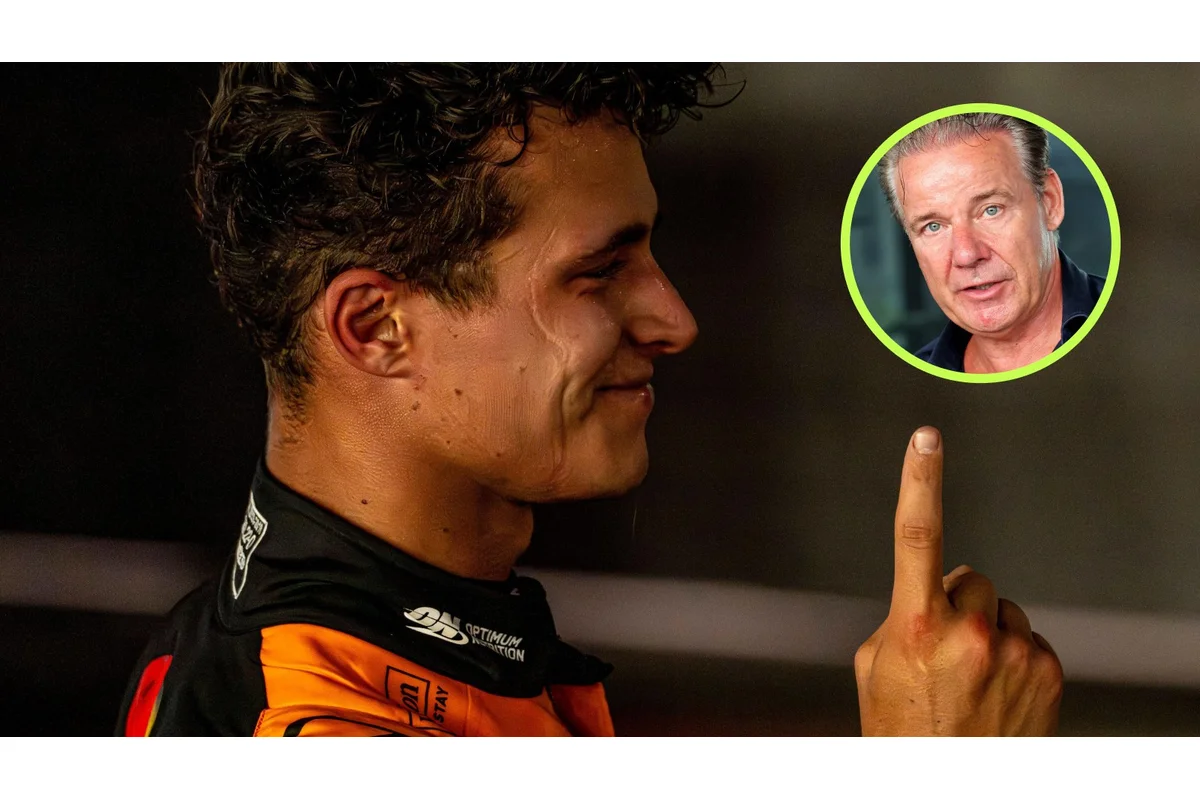
Lando Norris, after capturing the F1 world championship—a feat many thought would secure him royal and national honours—has been passed over in the UK’s latest Honours List. Instead of Norris, Stuart Pringle, the chief executive of Silverstone, was awarded an OBE for contributions to motorsport, reigniting debate over Lando Norris F1 recognition and how Britain values its sporting champions.
Historic Champions Honoured, but Norris Overlooked
In recent decades, every British driver who has claimed a Formula 1 world championship has been honoured by the Crown soon after their victory. Damon Hill received recognition following his 1996 title, Lewis Hamilton in 2008, and Jenson Button in 2009. In contrast, Norris, who secured Britain’s first F1 title since 2020, was not named in the honours list at all.
His omission marks a significant departure from tradition. For the first time in many years, a British Formula 1 world champion has not received formal acknowledgement from the nation’s highest authorities. This shift in precedent signals a broader questioning of how the country values and celebrates its sports achievements, particularly its racing heroes.
Prioritising Leadership Over On-Track Achievement
The latest Honours List features a noticeable emphasis on figures behind the scenes of motorsport, rather than active competitors. Silverstone’s CEO, Stuart Pringle, has been recognised with an OBE after overseeing record-breaking crowds and extending the British Grand Prix’s contract until 2034. Pringle joins other administrators and team builders, whose contributions have taken centre stage in the sporting spotlight.
This adjustment suggests the Honours system now favours individuals demonstrating enduring service and management over those reaching the heights of athletic success. Whereas past racing icons such as Lewis Hamilton and Jenson Button were lauded for their accomplishments on the track, the tendency now leans toward recognising executives and organisers.
Changing Dynamics in Formula 1 Celebration
The broadening of recognition criteria reflects a greater shift in how Formula 1 is viewed within the UK. The sport has evolved into a powerful cultural brand and commercial enterprise, and those steering its business aspects increasingly receive the accolades that once went to star drivers. At the same time, drivers like Norris—who once would have been national icons—risk fading from public honour and visibility.
This evolution suggests a softening of Britain’s emotional connection to its racing champions, even as the financial and promotional aspects of the sport flourish. The honours now seem to prioritise the success of Britain’s circuits and sponsors over acknowledging individual feats on the global stage.
Implications for the Future of British Motorsport Recognition
As Formula 1’s presence continues to grow worldwide, the lack of formal recognition for homegrown champions like Lando Norris signals possible complications in maintaining the sport’s prestige and emotional resonance at home. Future British champions may seek more than applause—they may demand the national symbols of acclaim their predecessors received to remain cultural icons, not merely commercial entertainers.
The question remains whether the Honours List will return to celebrating outstanding sporting achievement or continue its current tilt toward organisational and managerial success, redefining what it means to be a hero in British motorsport.
