
Charles Leclerc has joined several Formula 1 drivers expressing worries about the difficulty of overtaking under the sport’s revamped 2026 regulations. These changes, which have been implemented to introduce a new generation of cars, aim to balance an internal combustion engine with an electric motor, but are already generating debate about racing quality after preseason tests in Barcelona and Bahrain.
The core intention of the updated rules is to have F1 cars powered equally by their internal combustion engines and electric motors—50 percent each—to encourage involvement from manufacturers like Audi. However, this shift from the previous 20 percent electric power has prompted criticism from some top drivers.
New Power Units and Overtake Mode Spark Debate
The 2026 Formula 1 vehicles feature a powertrain with significantly increased electrification, a move that Max Verstappen has described as “anti-racing” and akin to “Formula E on steroids,” due to drivers having to manage electric energy rather than focusing fully on raw speed during laps. While Verstappen focused on energy management challenges, Leclerc raised issues with the replacement of the familiar Drag Reduction System (DRS) by a new electrical boost overtake mode.
This new overtake system permits a car following within one second of the leader to access extra electrical power at higher speeds, while reducing the lead car’s electric output. The idea is to help the chasing car gain a higher top speed to attempt a pass under braking. Yet, Leclerc explained that using this boost drains the battery quickly, leaving the overtaking driver vulnerable to being passed back later on the lap.
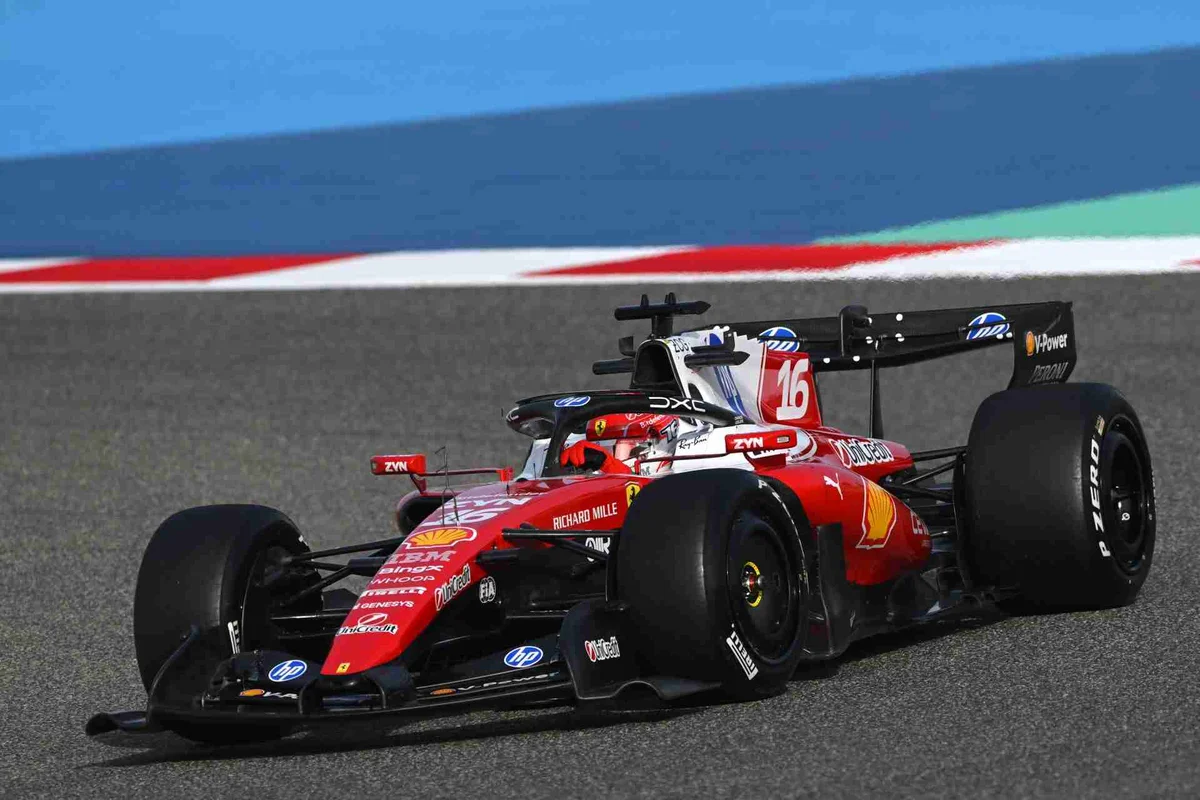
I find it, at the moment, extremely difficult to get any overtakes,
Leclerc said.
“It might improve with time in how we manage these kinds of situations, but it always comes with a price whenever you’ve got to overtake and the price is a lot more costly than it was in the past.
That’s why I think it’s very difficult to make an overtake and then pull away, like it was the case last year [with DRS].
Team Leaders and Drivers Suggest Potential Solutions
Andrea Stella, McLaren’s team principal, echoed these concerns, suggesting that adjustments to the electrical power limits could enhance overtake mode effectiveness. He pointed to a proposed reduction by the FIA from 350kW to 200kW of maximum power output as a way to improve overtaking opportunities.
Our drivers have been racing with other drivers during these three days of testing in Bahrain and they found it extremely difficult to overtake,
Stella remarked.
The fact that you have an additional amount of energy when you follow and you are within one second is difficult to exploit because this extra energy may mean that there is just a little bit more deployment at the end of the straight, if anything.
So I think, again, as an F1 community, we should look at what can be done to make sure that we have a sensible feasibility when it comes to overtaking. Otherwise, we lose one of the fundamental elements of the nature of racing, which is giving drivers the possibility to overtake.
McLaren driver Oscar Piastri shared a similar perspective, emphasizing how overtaking now requires more strategy and energy management compared to the straightforward advantage DRS previously offered.
Overtaking is certainly going to be different,
Piastri said.
DRS was obviously just a pure advantage you used to gain, whereas now, with the energy boost, you’ve obviously got to harvest that extra energy somehow and then deploy it, which with some of the rules in place is not always that straightforward.
There’s also some optimisation from all the manufacturers to come, I’m sure, on how to redistribute things and make overtaking as easy as it can be. I think following [from an aerodynamic point of view] is very similar to last year, in all honesty, which is not a big surprise to me.
Strategic Use of Energy Boost Will Be Key Across Circuits
Mercedes driver George Russell expects that the usefulness of the new overtake mode will vary depending on the track layout, with some circuits offering more potential than others. He highlighted how careful management of the electric boost will be critical.
Of course, you can make an overtake by pressing a boost button and spending all of your energy, but you know if you use it unwisely you’ll just get re-overtaken again thereafter and you may get overtaken by more cars,
Russell explained.
So you will need to be strategic about it, but again we’ll have to wait and see.
What is also true is every track is going to be different and then how you use your energy is going to be so different. I think circuits like Barcelona, you’ve only got one straight and you’re quite energy-rich there, so all of the teams will be deploying 350kW for quite a long duration down that main straight — therefore, when you use your boost there’s not much of a gain.
Whereas if you go to a circuit like Saudi Arabia or Silverstone where you’ve got multiple straights one after another, you can’t deploy all of that energy in one straight, so you may see different strategies or different teams using more energy in one, less in another. I think it’s exciting and I think it’s going to be different. Time will tell.
Implications for Racing and Future Adjustments
The concerns voiced by Charles Leclerc, Andrea Stella, Oscar Piastri, and George Russell underline a growing unease in the F1 community about whether the latest technical regulations will preserve the exciting wheel-to-wheel racing fans expect. The current overtake mode’s energy limitations create a complex challenge for drivers aiming to pass without leaving themselves vulnerable afterward.
Given the broad consensus that overtaking remains a core element of Formula 1’s appeal, the FIA and teams may need to revisit power deployment rules and energy management systems to improve overtaking prospects. As preseason testing continues across different circuits, further data and driver feedback will be essential in shaping adjustments that maintain the sport’s competitive spirit.
