
During the Monaco Grand Prix, Lewis Hamilton sent a cryptic radio message to his race engineer, Riccardo Adami, asking if he was upset with him, sparking widespread confusion and speculation among fans. Ferrari team principal Fred Vasseur later clarified why the team did not respond immediately to Hamilton’s question during the race.
After completing 78 laps on the challenging Monaco street circuit, Hamilton finished in fifth place, while his teammate Charles Leclerc secured second position in front of his home crowd. Hamilton’s race had unfolded quite differently from Leclerc’s, with the Briton ending well behind the leaders.
Following the race, Hamilton and Adami exchanged a brief conversation over the radio. Adami informed Hamilton of his P5 finish and encouraged him to manage his tire pickup carefully. Hamilton then unexpectedly asked if his engineer was upset with him, but his question went unanswered, leading to rumors and discussions across social media and the paddock.
Fred Vasseur Clarifies Communication Limits During Monaco GP
Fred Vasseur explained the reasoning behind the silence on the radio at that moment, pointing out the unique challenges the Monaco circuit presents for radio communication. He told PlanetF1 that the team agreed in advance to delay responses during certain sections of the track:
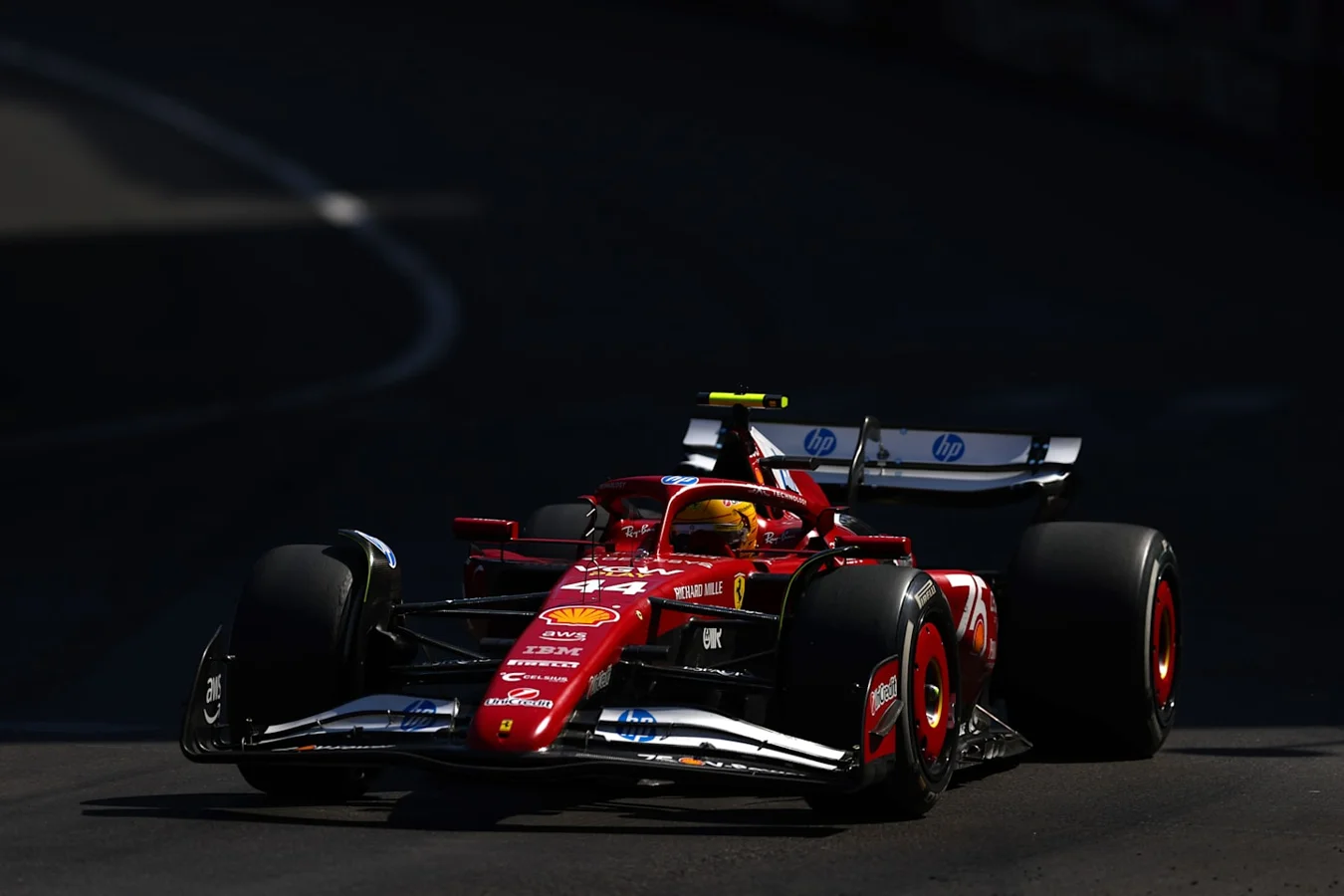
“When the driver is asking something between Turn 1 and 3, we have to wait [until] the tunnel to reply, to avoid to speak with him during the corners. It’s not that we are sleeping, it’s not that we are having a beer on the pit wall, it’s just because we have a section of the track, where we agreed before to speak with him.”
Vasseur reassured that Hamilton was not upset and was fully focused on the intense conditions he faced:
“Honestly, it’s not a tension that the guy is asking something. He’s between the wall, he’s under pressure, he’s fighting, he’s at 300kph between the walls and I am perfectly fine with it. I spoke with him after the race, he was not upset at all.”
Such communication restrictions are common in Formula 1, where teams avoid distracting drivers during critical moments, especially when navigating tight corners. This protocol explains why Hamilton’s question was met with silence during the race but typically, conversations become more relaxed once the checkered flag falls.
Lewis Hamilton Reflects on His Performance at Monaco
Starting from seventh on the grid, Hamilton aimed to climb the field throughout the race. A well-timed pit stop sequence enabled him to overtake two cars, helping him reach fifth place where he eventually finished. He acknowledged that this result represented the best possible outcome under the circumstances.
“I think from where I was, a three-place grid penalty moving forwards back to fifth, I think was decent – the best I could do.” —Lewis Hamilton, Formula 1 driver
Currently, Hamilton stands sixth in the drivers’ championship, trailing the leader Oscar Piastri by 98 points. The Monaco result adds valuable points to his campaign, but he remains behind in the title race as the season progresses.
Fred Vasseur’s explanation sheds light on the nuances of F1 communication, emphasizing safety and focus during high-speed corners, and clarifies that there was no tension between Hamilton and his race engineer in Monaco. Understanding these technicalities helps fans and commentators appreciate the complexities behind seemingly cryptic radio messages in Formula 1 races.
