
Lewis Hamilton encountered significant setbacks during the Monaco GP, including a three-place grid penalty due to a radio miscommunication in qualifying, which greatly hampered his chances. The
“Lewis Hamilton radio silence controversy Monaco GP”
became a major talking point when his team did not respond to him over the radio towards the race’s end, raising questions about internal tensions. Ferrari Team Principal Fred Vasseur has now addressed the situation, explaining that the silence was a deliberate strategic choice rather than a sign of conflict.
Understanding the Monaco GP Struggles Affecting Hamilton
Hamilton’s hopes of fighting for victory at Monaco evaporated after he was penalized for impeding Max Verstappen during qualifying. During the race, the two-stop strategy compromised his progress, restricting him to a fifth-place finish. Additionally, Hamilton experienced a puzzling silence from Ferrari’s pit wall as he returned to the pits, sparking critical responses from fans and pundits about the team‘s treatment of the seven-time World Champion.
This silence stirred frustration for Hamilton, who questioned his race engineer Ricciardo Adami over the radio, wondering if the team was upset with him. The absence of any reply during this period intensified controversy and fueled speculation of underlying tensions between the driver and the Italian team.
Fred Vasseur Explains Ferrari’s Radio Communication Strategy
Fred Vasseur has clarified that the radio silence was part of Ferrari’s designed protocol during certain sections of the Monaco circuit. The French Team Principal detailed that communication is intentionally avoided when drivers pass through critical high-speed turns—specifically curves one to three—where distractions could cost valuable time or worse.
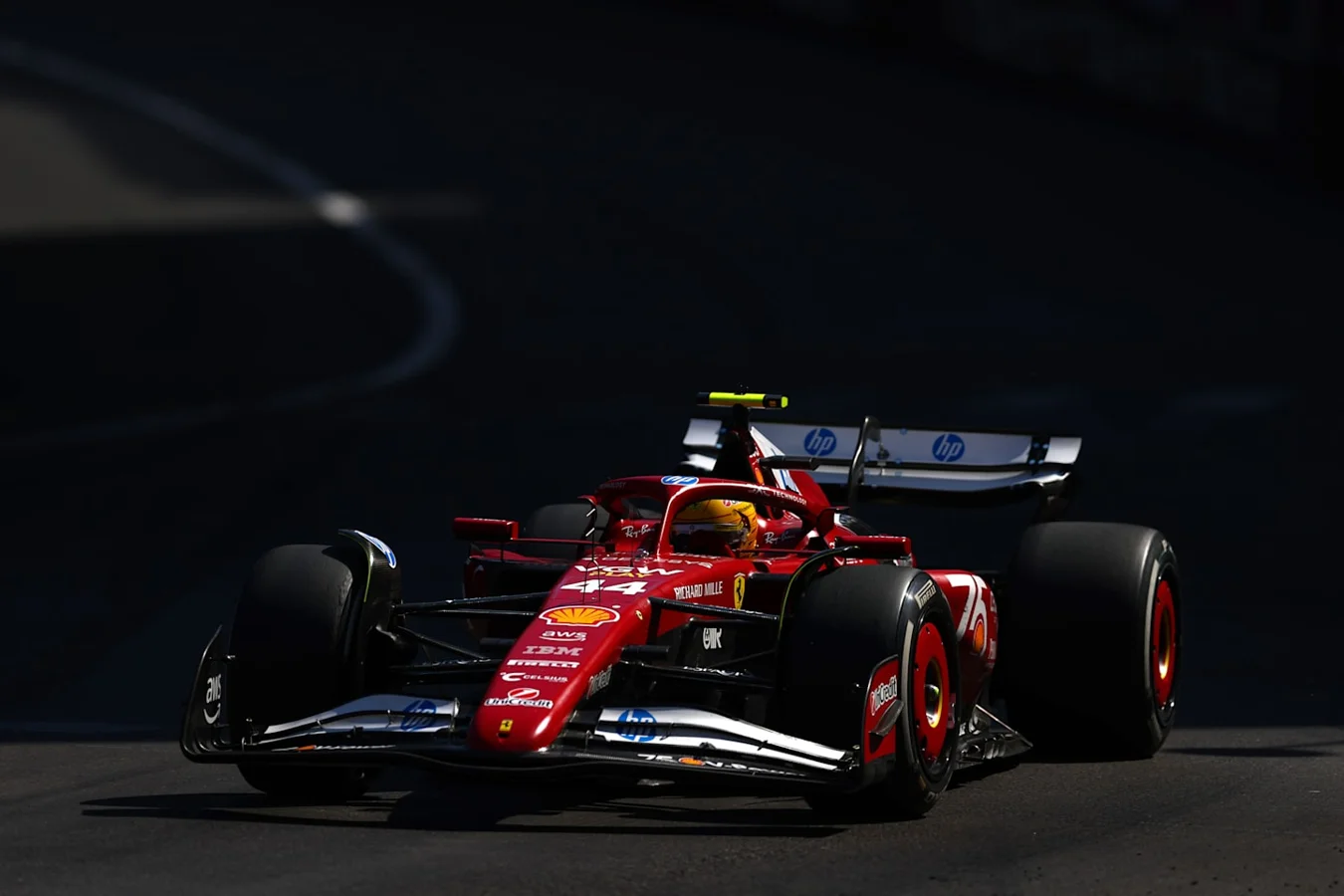
“When the driver asks for something between curve-1 and curve-3, then we have to wait… we must avoid talking to him when there are curves. It’s not that we’re sleeping or we’re drinking a beer at the wall, it’s that we have a section of the track where we agree that we don’t have to talk.”
—Fred Vasseur, Team Principal
According to Vasseur, the silence was a precautionary approach designed for driver safety and performance consistency, rather than any sign of discord. The engineers were fully engaged but adhered to this communication rule, which led to the missed exchanges during the final stages of the race.
Addressing Rumors of Discord: Vasseur Affirms No Strain Between Hamilton and Ferrari
Despite Hamilton’s difficult debut season with Ferrari marked by no podium finishes in the early races and occasional tensions with race engineers, Fred Vasseur insists no personal conflicts exist between the driver and his team. He attributes Hamilton’s frustration at Monaco to the challenging nature of the circuit and race pressures rather than any breakdown in relationships.
“Honestly there is no tension, Lewis was under pressure, between the walls, he was struggling at 300 per hour and it’s fine. When I talked to him after the race, he wasn’t angry at all.”
—Fred Vasseur, Team Principal
With speeds reaching up to 300 km/h in close proximity to track barriers, the Monaco circuit demands intense concentration. Vasseur explains that the driver’s struggles and brief communications gap are understandable within this context. The chief also mentioned a post-race discussion with Hamilton, during which the driver exhibited no anger or agitation.
Ferrari’s Ongoing Challenges and the Road Ahead
Ferrari’s early 2025 season performance continues to disappoint, hindered by repeated strategic mistakes and inconsistent car pace. These issues have caused the team to lose valuable ground in both the Drivers’ and Constructors’ Championships. As a result, Ferrari faces pressure to improve its operations and results, particularly to maintain confidence in Lewis Hamilton as a key figure in their lineup beyond his current contract term.
While the Monaco GP tested Ferrari and Hamilton’s patience, Vasseur’s explanation highlights the team’s intent to safeguard driver focus and race integrity through cautious communication. The incident, rather than revealing fractures, underscores the complexities of in-race strategy and interaction on one of Formula 1’s most demanding circuits.
