
As Formula 1 teams prepare for the upcoming second Bahrain test, a particular moment involving Lewis Hamilton has drawn significant attention. During a practice start, Hamilton kept the Ferrari engine revving for an unusually long 22 seconds, prompting widespread discussion regarding safety concerns linked to race starts under the evolving technical regulations. This incident reflects the growing unease surrounding how drivers manage launches with the new MGU-H-less power units, amid increasing scrutiny from the F1 Commission ahead of the season kickoff.
Safety Concerns Prompt Calls for FIA to Take Action Before Melbourne
F1 commentator Alex Brundle has emphasized the urgency for the FIA to address ongoing safety issues related to race starts, especially with the 2026 regulations looming. Brundle warned about the dangers posed by stalled cars on congested grids, stating,
“one of the scariest things in racing.”
?Alex Brundle, F1 Commentator He stresses that without timely intervention, the risk to drivers during those critical initial moments remains unacceptably high.
Red Bull Clarifies Its Position on Mercedes Engine Dispute
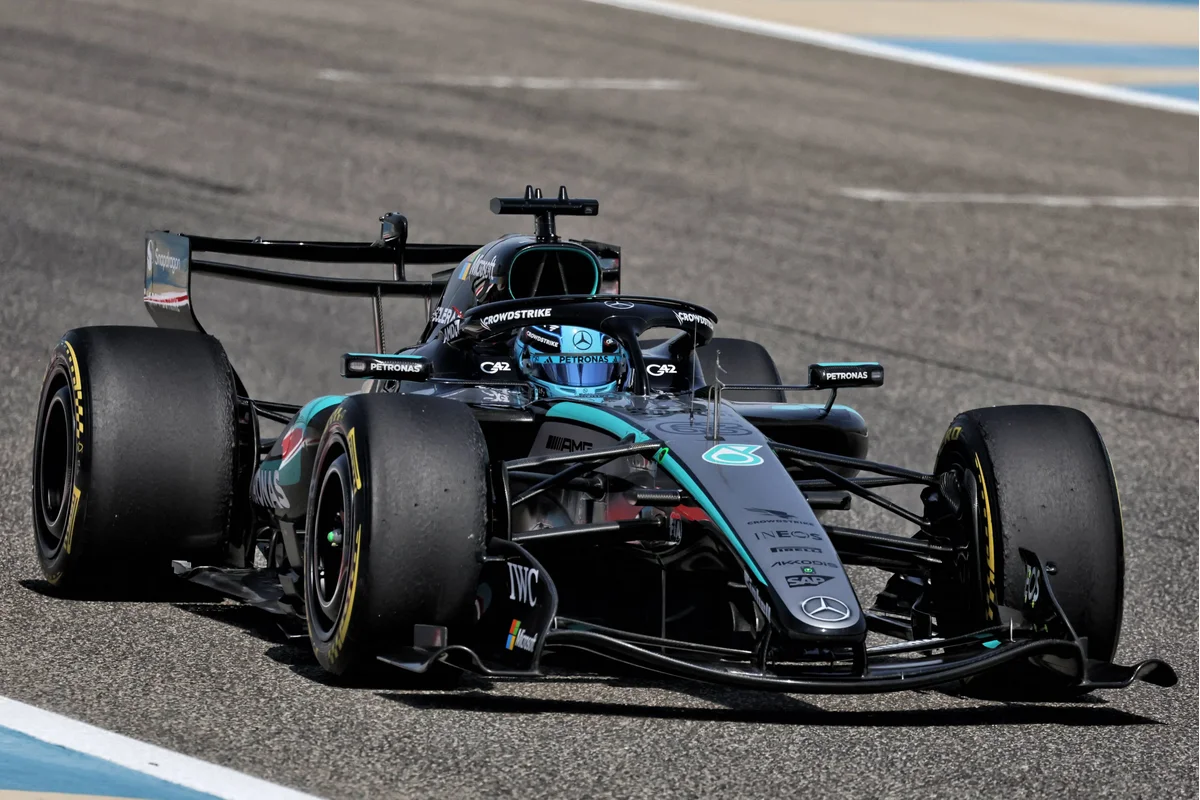
Alongside the debate on race starts, the ongoing controversy surrounding Mercedes’ engine performance has further stirred tensions among teams. Reports suggested Mercedes employed a loophole by increasing engine compression ratios when engines run hot, leading other manufacturers to call for stricter hot-temperature testing. Initially, Red Bull was rumored to have aligned with Mercedes in exploiting this advantage; however, Red Bull’s technical director Pierre Waché denied switching sides, asserting the team’s primary goal is to maintain a fair and balanced competition.
Alpine Voices Concern Over Potential Regulatory Fallout
Alpine, powered by the Mercedes engine through a new partnership, has expressed apprehension about the consequences of any mid-season rule changes regarding engine regulations. Sporting director Steve Nielsen cautioned that altering compression ratio rules could set a dangerous precedent with wider impacts on future technical guidelines, complicating regulatory enforcement and team strategies.
Honda and Aston Martin Struggle to Keep Pace During Pre-Season
Aston Martin, now collaborating with Honda as its works engine supplier after previously being a Mercedes customer, has faced difficulties adjusting during the early Bahrain tests. Both drivers, Lance Stroll and Fernando Alonso, acknowledged the need for improvements as the team fell short of competitive benchmarks. Honda admitted to facing challenges and described their current focus as playing catch-up after key technical lessons from the Bahrain test, signaling a steep development curve ahead.
Implications for F1 Season and Ongoing Developments to Watch
The events unfolding in Bahrain highlight critical safety and technical issues that the sport must resolve before the season commences in Melbourne. Hamilton’s prolonged practice start has intensified debate over launch protocols, while calls for FIA intervention from voices like Alex Brundle underline the seriousness of start-line risks. Meanwhile, the engine compression dispute threatens to complicate inter-team relations and regulatory consistency, with manufacturers like Red Bull and Alpine deeply involved. Aston Martin’s struggles with Honda engines further illustrate the volatility teams face amid rapid shifts in technology and regulation. How these matters are addressed will shape race day safety standards, technical fairness, and competitive balance throughout the 2026 Formula 1 season.
