
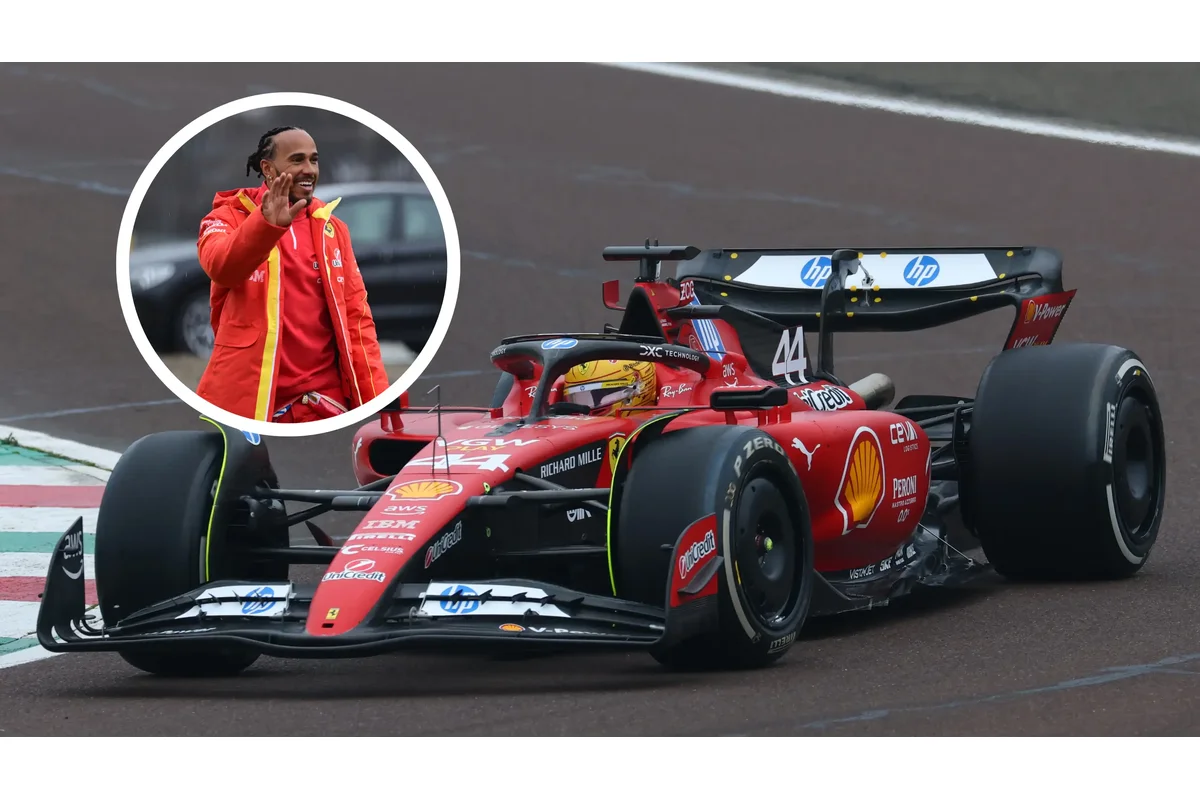
Lewis Hamilton, the seven-time world champion, recognizes that the 2026 Formula One season must be different from recent years as he enters his second year with Ferrari. This period coincides with significant transformations in Formula One, presenting new challenges and opportunities for Hamilton and the sport.
Having endured a turbulent era marked by intense title battles and backstage tensions, Hamilton now seeks to establish greater stability and long-term success within Ferrari, aiming to demonstrate that his switch to the iconic team is a commitment to a fresh start, not a late-career risk.
Pursuit of Consistency and Growth Inside Ferrari
Hamilton’s debut season at Ferrari showed glimpses of potential but also brought frustration, reflecting the physical and emotional toll recent Formula One seasons have taken on him. He views 2026 as a chance for a reset and is encouraged by the team’s ongoing car developments and organizational adjustments aimed at closing the gap with front-runners.
Rather than chasing immediate results, Hamilton emphasizes the importance of calm decision-making and internal cohesion. His approach signals a departure from the more heated exchanges familiar to fans, highlighting a desire to manage the final stages of his racing career carefully and with greater control.
Leadership Shift at Pirelli Adds Uncertainty to F1’s Future
Beyond drivers and teams, change is also affecting the suppliers critical to Formula One. Mario Isola, Pirelli’s long-standing motorsport director, will be stepping down, marking the end of an era for the tire manufacturer that plays a vital role in race strategy and safety.
Pirelli has announced Dario Marrafushi as Isola’s successor. Marrafushi, with a deep background in research and development since joining Pirelli in 2008, takes over at a time when tire performance remains a key factor in the sport’s evolution. This leadership change may influence collaboration with the FIA and affect how teams adapt to upcoming regulations.
New Entrants in 2026 Add Fresh Competition and Stakes
The 2026 season will usher in new teams such as Audi and Cadillac, introducing fresh competition bolstered by significant financial investment. Audi’s full factory involvement and Cadillac’s expansion of the American presence highlight the growing global scope of Formula One.
The influx of new teams intensifies the battle for seats and amplifies competition among drivers. As reported by Formula1.com, reserve driver lists have grown, illustrating the depth of emerging talent and increasing the pressure on current veterans like Hamilton to deliver consistent, top-level performances.
Heightened Pressure on Drivers as Margins Narrow
The competitive landscape of Formula One continues to tighten, with younger drivers rapidly closing in on established names. Anthony Davidson has observed that minor technical improvements can now significantly affect race outcomes, reducing tolerance for errors on track.
Hamilton’s role extends beyond scoring points; he must also provide leadership within Ferrari during this critical period of transition, balancing the physical demands of racing with the strategic challenges his team faces.
Expanding Media Coverage Brings Races to a Wider Audience
Formula One is also experiencing a shift in media exposure, as Netflix prepares to broadcast its first live F1 race under a new partnership involving Apple TV. The Canadian Grand Prix is expected to be the inaugural live event aired through this agreement, moving the sport from behind-the-scenes documentaries to immediate, real-time viewing.
This evolution in coverage increases public scrutiny, with every team radio exchange and tactical decision becoming instantly accessible to global fans. Hamilton, aware of the influence of storytelling and image, recognizes that 2026 will not only be about technical progress but also about navigating heightened visibility.
Hamilton’s Ferrari Journey Reflects Broader F1 Transformation
As Formula One enters a period marked by regulatory changes, new team dynamics, and media expansion, Hamilton’s future with Ferrari symbolizes both hope and risk. His ambitions for stability and success coincide with a sport undergoing profound shifts, where any misstep may attract intensified criticism.
For Hamilton and Ferrari alike, the 2026 season represents a crucial chapter that will test their resilience, adaptability, and ability to capitalize on new opportunities within the transforming world of Formula One.
