
Racing Bulls driver Liam Lawson faces a crucial season in 2026 as he aims to maintain his position in Formula 1 amid stiff internal competition. With a one-year contract extension in hand, Lawson knows that improving his qualifying abilities is essential to secure his F1 future and avoid being replaced by emerging talent from F2 and F3.
Racing Bulls, formerly known as Toro Rosso, has experienced significant driver turnover over the past two decades, with only Sebastien Buemi and Jaime Alguersuari maintaining a relatively long partnership of 46 Grands Prix together, yet neither earned promotion to the senior Red Bull team. Currently, Lawson and rookie Arvid Lindblad form Racing Bulls’ 2026 driver lineup, with higher expectations set on the 24-year-old Lawson, who has more F1 experience.
Qualifying Pace Emerges as Main Challenge for Lawson’s Career Longevity
Motorsport-Total reports that Lawson’s qualifying pace has been identified as the most significant obstacle threatening his Formula 1 tenure. Data shows Lawson was outqualified 16 times by his Red Bull stablemate Isack Hadjar, with only six occasions in his favor, a pattern echoing his struggles against Max Verstappen during their time at Red Bull, where Lawson failed to outperform Verstappen in any of three qualifying sessions together.
Despite some commendable efforts, such as a third-place qualifying start at the Azerbaijan Grand Prix and outqualifying Verstappen in Austria, inconsistency remains an issue. Concerns have been raised about Lawson’s adaptation to the 2026 car, which demands a refined driving style and precise battery management during qualifying. Should Lindblad continue to surpass Lawson’s performances, it is widely believed Lawson’s F1 career could reach a dead end.
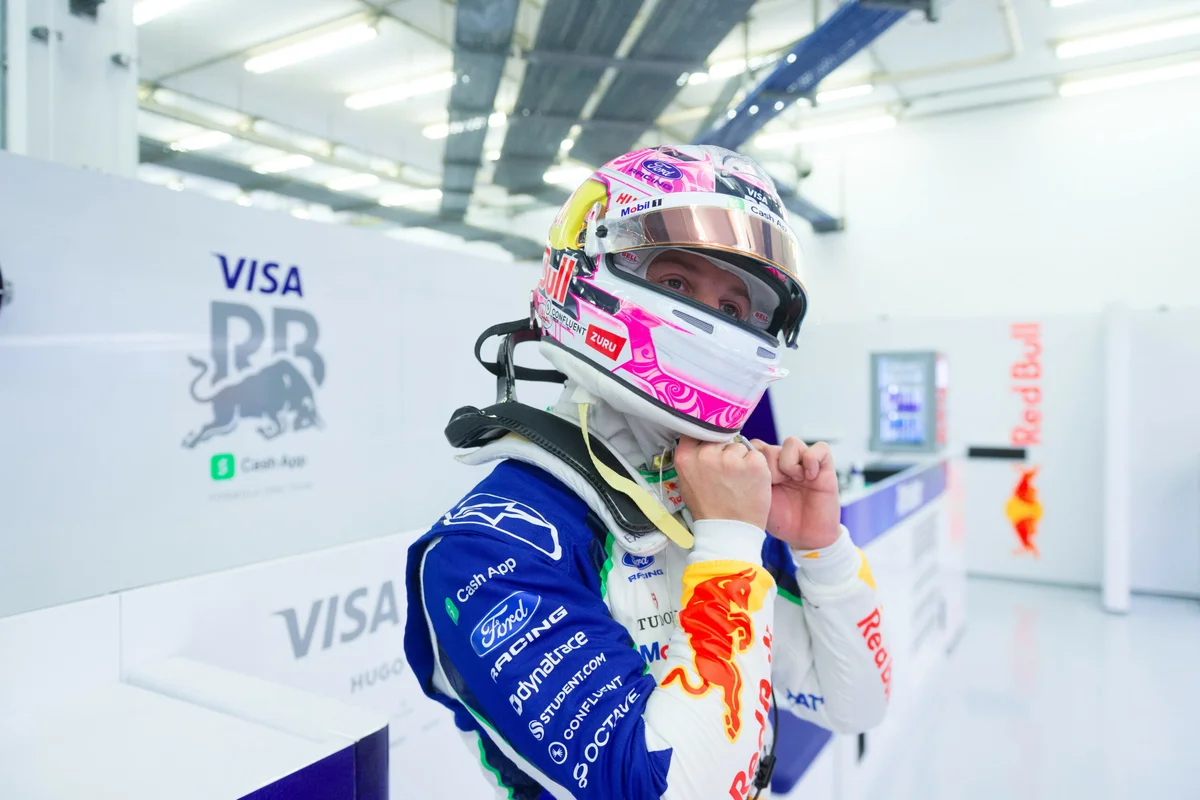
Lawson’s Own Recognition of Qualifying as a Key Improvement Area
Lawson has publicly acknowledged that qualifying is where he most needs to raise his performance. Speaking before the previous summer break, he said,
“If I were to just pick an area, overall, it’s qualifying.”
He highlighted how crucial qualifying has become given the narrow performance margins between drivers, saying even on tracks considered easier to overtake, the lack of a substantial pace advantage makes overtaking difficult.
“Qualifying is very important; it sets up your weekend. Where our weekends have fallen away, at least on my side, has been normally in an average qualifying. Where our weekends have been strong, it’s when we qualify well.”
Lawson added,
“That’s the main target: just extracting everything, making sure we have the car in the best place going into qualifying, and then for me getting everything out of it and doing a better job.”
These comments underline the pressure Lawson feels to match or exceed the performances of his rivals while maximizing the potential of his car from the very start of each race weekend.
Historical Context and Implications for Racing Bulls and Lawson
Racing Bulls has long been a stepping stone within the Red Bull driver development system, although few have progressed to sustained senior team roles. The team’s history of frequent driver changes places added strain on Lawson, who must deliver immediate results to justify his place. The internal competition extends beyond the track, as younger drivers wait in the wings ready to capitalise on any faltering displays.
Lawson’s current challenge highlights a broader tension in Formula 1 where qualifying performance can define a driver’s prospects. With the sport’s increasing emphasis on brevity and precision during qualifying sessions, drivers unable to consistently place their cars in optimal grid positions risk their careers being cut short. For Lawson, consistent qualifying improvement is not just about gaining race advantage but survival in the highly competitive F1 environment.
What Lies Ahead for Lawson and the Racing Bulls Team
As the 2026 season unfolds, all eyes will be on Lawson’s qualifying results to gauge whether he can overcome the difficulties that have begun to overshadow his potential. Should he improve, he may solidify his spot in the team and build towards a lasting Formula 1 career. Conversely, failure to advance could open the door for promising talent like Lindblad to take his place, effectively ending Lawson’s time in top-tier motorsport.
The outcome will also influence Racing Bulls’ strategy as they balance nurturing young drivers with achieving competitive results. Lawson’s ability to adapt to new car requirements and master qualifying sessions will likely determine his trajectory and could shape the team’s future driver lineup decisions.
