
Formula 1 is on the verge of a sweeping transformation as Liam Lawson F1 regulation changes approach, with rising talent Liam Lawson highlighting the scale of what lies ahead for drivers this season. New rules addressing both aerodynamics and power units will force all 22 drivers to adapt quickly when the grid assembles in less than a month.
Major Overhaul Redefines Competition for Every Driver
The sport’s latest regulations mark a significant departure from previous standards, promising one of the most considerable evolutions in recent memory. The introduction of power units featuring a balanced 50/50 output between electric motors and combustion engines creates a fundamentally new framework for racing strategies and car management. Teams and drivers such as Max Verstappen, Lando Norris, Lewis Hamilton, and Liam Lawson himself, face a future where their ability to adapt could define success or failure.
Lawson, about to begin his first full Formula 1 season, addressed the unique nature of the approaching changes.
“I haven’t driven it yet, but from my understanding, it’s going to be more different than anything we’ve driven before.”
— Liam Lawson, Driver
Equal Ground and the Art of Adapting Quickly
This upcoming regulation reset creates an unusual sense of parity within the driver lineup, as each competitor—rookies and veterans alike—encounters unfamiliar challenges and a steep learning curve. Lawson emphasized the uncertainty and opportunity that comes with adapting to new rules.
“In any situation, in a regulation change, it depends on how you look at it,”
he said.
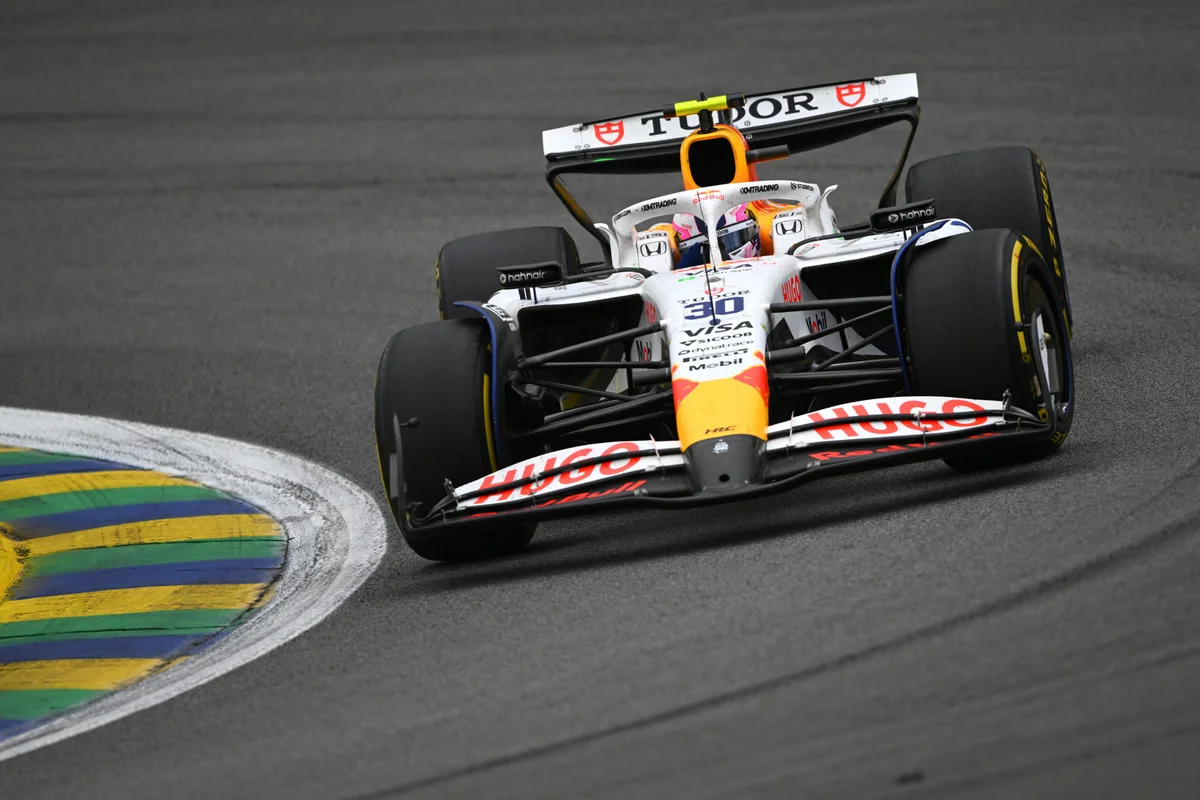
“For me, it’s more of a level playing field because everybody is going to be learning this new regulation, this new style of driving.”
— Liam Lawson, Driver
Energy Management Becomes Central to F1 Success
The revised regulations place a premium on energy deployment, making it a central factor in both car performance and driver input. The New Zealand native pointed out that working with the cars’ energy systems will become an essential skill, one with the potential to tilt the scales in favor of the most adaptable driver and team combinations. Lawson described how these demands represent a new kind of challenge, suggesting that drivers can now exert more control and influence than in past seasons.
“Potentially, the driver has quite a bit more input as well, so it’s something that we have to make sure that we are aware of,”
Lawson explained. — Liam Lawson, Driver
A Season Defined by Uncertainty and Possibility
This transformation is set to redefine how Formula 1’s major players—drivers like Norris, Verstappen, Hamilton, and teams such as Mercedes and Ferrari—approach every race weekend. With all competitors starting fresh and the championship landscape wide open, the 2023 season could bear witness to a fundamental rebalancing of power within the sport. As Liam Lawson and others prepare for the new era, fans, engineers, and teams alike are left to wonder just how far-reaching these changes will prove on the world’s most iconic tracks.
The stage is set for a year where adaptability, insight, and energy management will shape every outcome. As the countdown to the season opener continues, the only certainty is that the world of Formula 1 is about to experience a remarkable and possibly game-altering shift.
