
Marc Marquez has evolved beyond simply being a champion who recovered from injury; he has re-established himself as a dominant competitor. Since his move to Ducati, the Spanish rider has regained a crucial quality once thought lost: the steady consistency expected from a frontrunner. The end of Marquez’s Honda chapter is firmly behind him, and his comeback is now fully realized. Positioned at the core of the competitive landscape, the upcoming 2027 season will very much revolve around his performance.
His contract extension with Ducati appears only a matter of time. If finalized, this agreement could propel Marquez to shatter longstanding records, potentially surpassing those once held by Valentino Rossi. The perception even among some former critics has softened; the boos have not vanished altogether but have weakened as victories reshape collective memory.
Encouraging signs regarding Ducati’s 2026 bike promise a strong foundation, but success will demand more than equipment alone. Riders must finish races, stay healthy, and carefully navigate risks—a lesson Marquez has learned painfully, especially after his recent collarbone injury. Every crash now carries greater consequences, and Marquez fully acknowledges this reality. Most importantly, he has adapted.
Unlike his early career marked by explosive bursts, Marquez now adopts a quieter presence: working behind the scenes, shielding his team from controversy, and defusing tension within the garage. This maturity has strengthened his natural leadership within Ducati—a contrast to his earlier days.
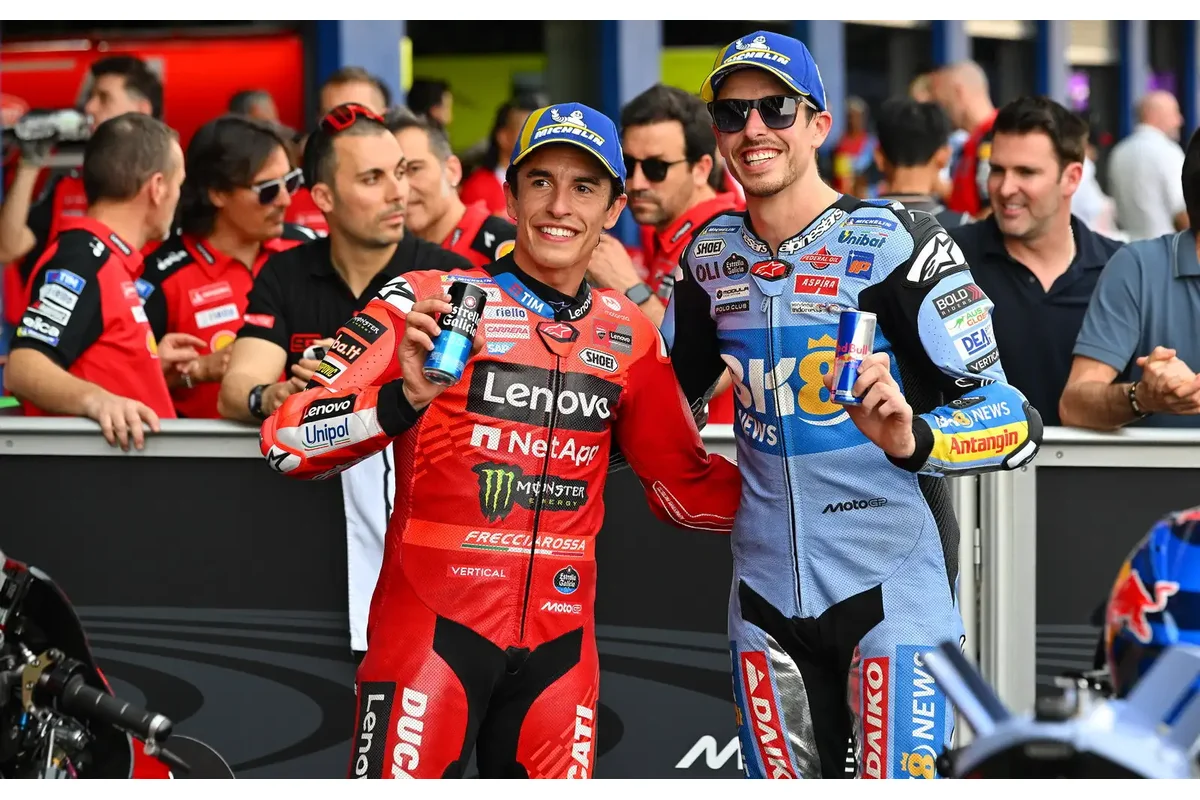
How the 2018 Argentine Grand Prix Marked a Turning Point
Eight years ago, Marquez was still governed by raw instinct. The 2018 Argentine Grand Prix was a turbulent and defining weekend that reflected this phase. It featured collisions, penalties, clashes with rivals including Valentino Rossi, and an unexpected 18th-place finish—far below his true potential.
At the time, Marquez was unwilling to accept fault, but with the benefit of hindsight, he has openly admitted his errors.
« That day, I was much faster than everyone else and I had no patience to overtake. I created dangerous situations and I paid the price. I made mistakes and I learned from them. » – Marc Marquez, Rider
This reflection encapsulates the transformation in Marquez’s approach. In 2018, controlling his extraordinary speed was a struggle. By 2019, he delivered perhaps the most flawless season in modern MotoGP history, with only two retirements and near-total dominance, showing a new level of discipline and maturity.
Preparing for a New Chapter and Cementing a Legacy
With fresh regulations likely to reshape competition in 2027, many suggest this season will serve as a technical reset. For Marquez, it represents an opportunity to firmly secure his legacy. Remaining with Ducati would grant him access to the best machinery on the grid, coupled with the wisdom gained from years of experience managing race weekends with greater patience—a skill the 2018 Argentine GP exposed as underdeveloped.
The paradox of Marquez’s career remains compelling: his aggressive style ultimately forged him into a complete champion. Valentino Rossi continues to be the emblematic standard, with records that still stand tall, yet time increasingly favors Marquez. He no longer needs to prove his speed but must now demonstrate his endurance.
If Marquez completes two or three more full seasons at Ducati, the debate will shift dramatically—from questioning whether he ranks among the greats to considering whether he is the greatest. This subtle shift in perspective marks a profound milestone in his career evolution.
