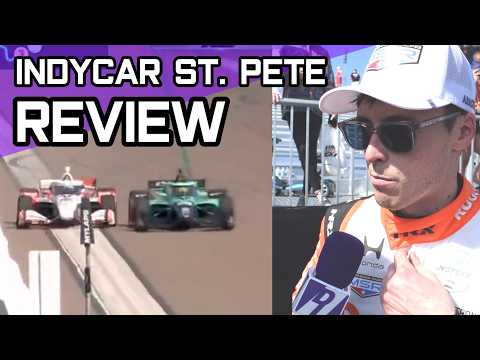
At the Grand Prix of St. Petersburg, Marcus Ericsson and Marcus Armstrong fought intensely for the final podium spot two-thirds through the race, where Ericsson’s aggressive driving left Armstrong and fans frustrated when the stewards chose not to penalize the Andretti Global driver. The incident took place during the first IndyCar race of the 2026 season, spotlighting a controversial move that raised questions about race officiating and fairness.
Background on Drivers and Season Context
The 2026 IndyCar season kicked off in St. Petersburg following an uneven previous year. Marcus Ericsson experienced a disappointing 2025, finishing 20th in the championship and being the lowest-ranked driver for Andretti Global. Conversely, Marcus Armstrong impressed in his rookie campaign with Meyer Shank Racing, securing eighth place in the overall standings. In this season opener, Ericsson qualified second and remained a strong contender for the podium, while Armstrong narrowly missed the top qualifying group, starting seventh.
Details of the On-Track Incident Between Ericsson and Armstrong
During the third stint of the race, Ericsson and Armstrong were locked in a battle for the third-place position. As they approached the main straight on Lap 66, Armstrong attempted an inside pass, but Ericsson shifted his line sharply toward the pit wall, compressing Armstrong into a tight space. The maneuver forced Armstrong dangerously close to the wall, barely avoiding contact with either the barrier or Ericsson’s car.
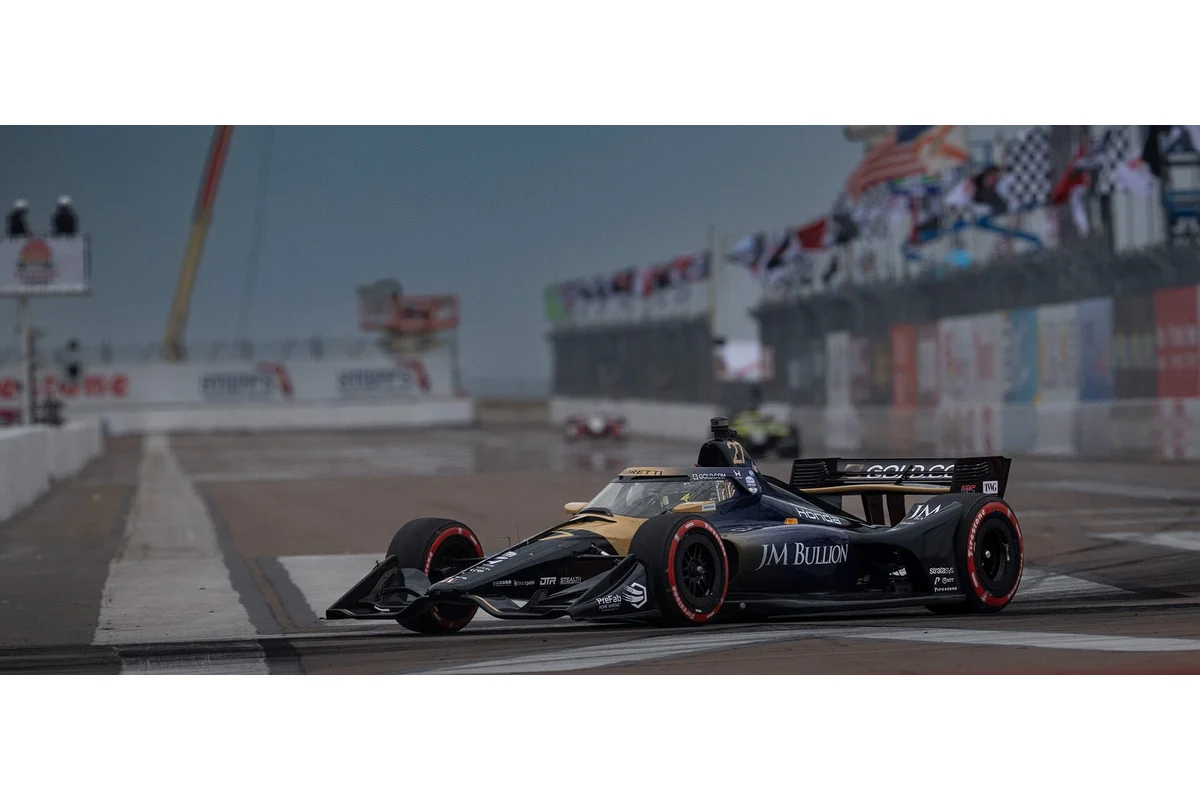
Struggling to maintain control after being squeezed, Armstrong locked up his brakes entering Turn 1, ran deep off the ideal racing line, and lost several positions due to the diminished grip from the debris-filled area. Despite the risky nature of Ericsson’s tactic, race officials reviewed the footage and opted not to assign any penalty.
Armstrong’s Strong Reaction and Criticism of Race Officials
After the race, Armstrong expressed clear frustration about the lack of sanction for Ericsson’s move. He insisted the maneuver violated IndyCar’s rules against moving more than once to block a driver, calling the decision by officials problematic.
“Well, he moved twice, so that’s an IndyCar no-no. Like, um, pretty black and white. We’ve just seen the onboard, so if he doesn’t get a penalty for that, there’s some genuine problems with the Stewarts, so I’m going to go see them.” – Marcus Armstrong, Meyer Shank Racing driver
This public callout raises concerns about consistency and the effectiveness of the IndyCar stewards, especially in the early stages of their newly established Independent Officiating Board (IOB), which is still in the process of appointing a managing director and assembling its officiating personnel.
Marcus Ericsson’s Perspective on the Incident
Ericsson, who has been striving to improve after a challenging season, acknowledged that his move was on the edge but defended it as hard racing within limits. He admitted uncertainty and indicated a willingness to review the incident again but noted that the stewards sided with him by not issuing a penalty.
“I haven’t, I haven’t seen it, but yeah, it was on the limit for sure, but I felt like I was within the limit, but just on the limit, but it’s hard racing. I need to watch it again. And obviously there was no penalty. So the stewards seem to be on my side there. But yeah, it was definitely on the limit.” – Marcus Ericsson, Andretti Global driver
This cautious response reflects Ericsson’s awareness that his aggressive move could have serious consequences but also underscores the competitive intensity as he aims to rejuvenate his career in his final contract year with Andretti Global.
Impact on Season and Officiating Moving Forward
The incident at St. Petersburg highlights ongoing challenges for IndyCar as it refines its officiating process under the new Independent Officiating Board. The IOB’s role in enhancing fairness and transparency is crucial, but with the managing director yet to be appointed, decisions rest with interim members. Armstrong’s criticism may prompt closer scrutiny of aggressive maneuvers, potentially influencing future stewarding policies.
For Marcus Ericsson, this early race performance signals renewed determination and aggressiveness after a subpar previous season, suggesting he intends to be a strong contender in 2026. Meanwhile, Armstrong’s frustration emphasizes the fine line drivers navigate between competitive racing and dangerous tactics, underscoring the importance of clear and consistent race oversight.
https://twitter.com/i/status/2028181816927039653