
Marc Marquez, reigning MotoGP world champion, and Ducati teammate Francesco Bagnaia have expressed support for the new bike restart rule set to take effect in the 2026 season. The regulation, aimed at increasing safety, stops riders from restarting their stalled motorcycles directly on the track or runoff areas after an accident, requiring bikes to be moved to the service road before any restart attempt.
This adjustment intends to reduce the danger faced by track marshals during race incidents, though it also introduces challenges by potentially prolonging the time riders need to return to the race. While moving fallen bikes farther from the circuit might expose marshals to hazards for a longer period, it prevents situations where riders refuse to abandon their motorcycles after multiple failed restarts at the trackside.
Safety Benefits and Practical Challenges of New Rule
The rule applies only when the bike’s engine has stopped; if the engine keeps running after a crash, riders may continue to restart and rejoin the race as before. Marquez supports this distinction, emphasizing the clarity and improved safety. He commented,
“I agree, because in the end it’s the safer way,”
and added,
“What I read is that it’s only if the engine stops. So if you have a small crash and the engine didn’t stop, then you can rejoin.”
Marquez also acknowledged the difficulties for marshals but reaffirmed the rule’s benefits:
“It’s true that sometimes it will be difficult for the marshals, but if the rule says, ‘If the bike stops, you cannot rejoin’, then it’s clear. So it’s better for everybody.”
Marquez is known for his resilience in recovering points after crashes, as seen during last season’s Jerez race where he finished twelfth following an early fall.
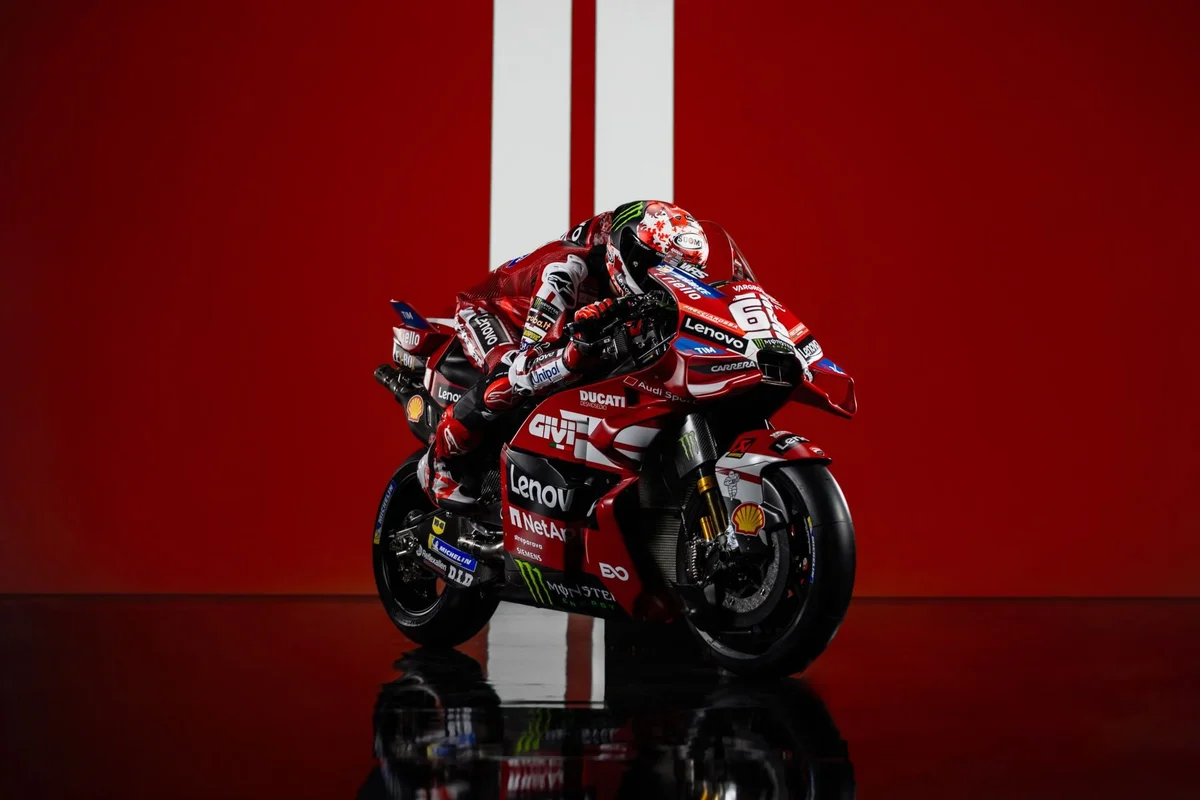
Importance of Maintaining Engine Power During Crashes
Francesco Bagnaia also favors the change but highlights a trade-off that riders must manage carefully. He stated,
“It’s a good change, I think, for safety,”
before joking,
“Honestly, I never had the luck of Marc, my bike always broke when I crashed!”
This underscores a new challenge: riders will need to retain better control to prevent their engines from stalling during accidents. Bagnaia admitted,
“I need to hold on more to the bike,”
and explained,
“But it’s something I try to learn, because Marc obviously, like in Jerez last year, crashed and was able to restart again for points.”
He further pointed out,
“You can’t push [start] the bike if it’s stopped now. But if it’s still on, you can. So it’s important to try to keep the [engine] on.”
Retaining engine power in a crash could increase the risk of injury since riders might hold onto moving parts as the bike slides. Teams might respond by adjusting their anti-stall systems to keep engines running longer when motorcycles are off balance, but they must balance this against potential engine damage.
Anticipated Impact on Race Dynamics and Safety Protocols
This rule change represents a significant development in MotoGP safety measures, prioritizing the protection of marshals and riders during accidents. While it aims to reduce hazardous situations caused by repeated on-track restarts, it demands new strategies from riders and teams to maintain engine operation under challenging conditions. How these adjustments will affect race outcomes and rider behaviors in upcoming seasons remains to be seen, but enhanced safety is the guiding goal behind this initiative.
