
Damon Hill offered a succinct yet pointed reaction to Max Verstappen‘s recent remarks on which Formula 1 circuits deserve a special status on the calendar. The former world champion questioned whether Monaco should be included among the elite tracks Verstappen named, highlighting an ongoing debate about the future of certain iconic venues in the sport.
Max Verstappen, a four-time world champion and a leading driver for Red Bull, identified several circuits he believes merit a permanent and distinguished place in F1’s schedule. These include Spa-Francorchamps in Belgium, Zandvoort in the Netherlands, Silverstone in the United Kingdom, Imola in Italy, Suzuka in Japan, and the Autodromo Jose Carlos Pace in Brazil. Verstappen emphasized the sporting significance of these tracks when discussing their importance.
“If it were up to me, the calendar would look very different and also have fewer races. Circuits that, in my opinion, would deserve a ‘special status’ and always belong on the calendar. Purely on the basis of sporting grounds, they are, for me, Spa-Francorchamps, Zandvoort, Silverstone, Imola, Suzuka, and Brazil,” Verstappen said via GPBlog.
In response, 1996 F1 World Champion Damon Hill reposted Verstappen’s comment on his Instagram story and simply added, “Yup. And Monaco?” This pointed addition raised eyebrows given Monaco’s historical prestige and popularity among fans and drivers alike.
Verstappen’s pronouncements arrive shortly after Formula 1 made significant changes to its race calendar. The governing body, headed by Stefano Domenicali, decided to remove the legendary Imola circuit from the Italian Grand Prix slot to introduce a new street race in Madrid, Spain. Furthermore, F1 plans to alternate the Belgian and Dutch races at Spa and Zandvoort starting next season, underscoring the sport’s shifting priorities.
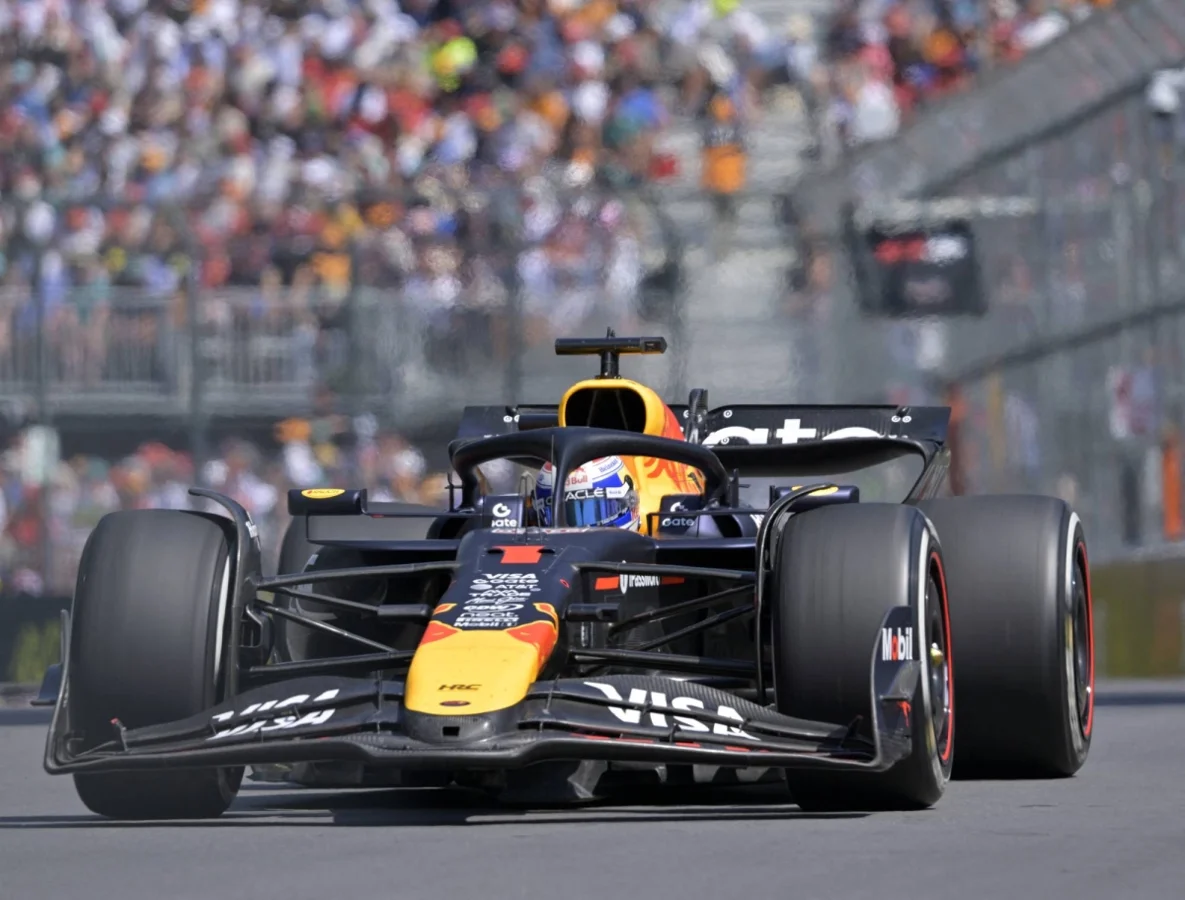
Max Verstappen Expresses Disappointment Over Imola’s Removal
Max Verstappen voiced regret over the exclusion of the Emilia Romagna Grand Prix at Imola, describing the loss as a shame. He acknowledged the commercial and strategic reasons behind F1’s calendar reshuffle but stressed the sporting value of historic tracks. According to Verstappen, these circuits are crucial to the enjoyment of racing and his personal passion for the sport.
“Losing these kind of tracks is a shame. I get it from F1’s side of things, of course — the new tracks that we are going to, so you have to see it from a sportive side and a financial side, right?”
“If you want to grow the business and make it more popular, I get it. For me, of course, personally, when I just speak about the enjoyment of driving, it’s these kind of tracks that made me fall in love with racing in general — in go-karting even, because you have the same thing in karting where some tracks are more special than others.”
The new Madrid race is scheduled for September 11-13, 2026, and will become the second Spanish race on the calendar, reflecting Formula 1’s emphasis on expanding into new markets.
Implications for the Future of the F1 Race Calendar
The debate sparked by Verstappen and Hill underscores the tension between tradition and expansion within Formula 1. While the sport seeks to grow its global audience and explore fresh venues like Madrid, many fans and drivers remain deeply attached to classic tracks that embody the history and sporting challenge of F1.
Damon Hill’s call to recognize Monaco alongside Verstappen’s selection brings attention to tracks that combine heritage, prestige, and unique racing conditions. The alternating schedule between Spa and Zandvoort and the removal of Imola signify a shift in how F1 prioritizes venues, balancing commercial goals with racing quality.
Looking ahead, the discussion over which circuits deserve a special status is likely to continue influencing decisions about the F1 calendar. How the sport manages this balance will shape the racing experience and fan engagement in the years to come.
