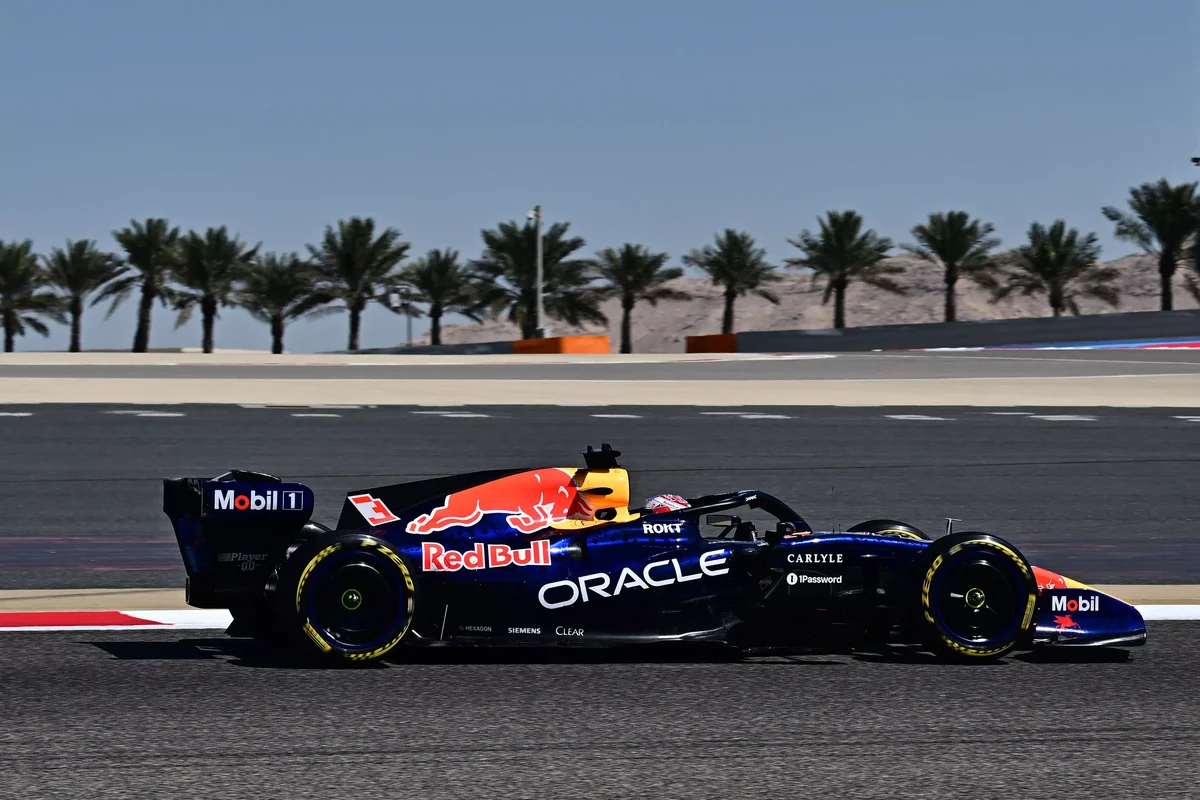
As the Formula 1season prepares to kick off in Melbourne, reigning champion Max Verstappen faces a significant challenge arising from new regulations set to reshape the sport’s competitive landscape. These rule changes, aimed at redefining power unit composition, have prompted tension within the paddock, particularly for Verstappen, whose skillful approach may be tested in unforeseen ways.
Former Williams team principal Jost Capito has analyzed the situation, highlighting how Verstappen’s exceptional race intelligence could, paradoxically, become a disadvantage amid the shifting technical framework. The upcoming regulations mandate an equal split between traditional internal combustion engines and electric power, emphasizing energy management and battery deployment during qualifying and races—a shift that diverges from previous focus on outright speed.
Verstappen’s Concerns and the Shift Toward Hybrid Power Units
Max Verstappen has openly criticized the 2026 power unit reforms, labeling them “anti-racing” and comparing the sport’s future to “Formula E on steroids.” These comments reveal his unease with the increased role of electric components over conventional engine performance. Capito understands this frustration, noting,
“His race intelligence is exceptional; he understands the race like an engineer,”
emphasizing how Verstappen’s deep understanding might work against him under these new conditions.
The planned 50:50 balance of powertrain sources could be adjusted to a 60:40 or even 70:30 ratio later, offering some flexibility. As Capito stated,
Image of: Max Verstappen
“You have to start somewhere and simply let the new cars run,”
signaling that the regulations may evolve as teams adapt to the hybrid power demands.
The Changing Priorities: Strategy Over Speed
According to Capito, the era in which the fastest lap dictates success is fading. Instead, teams will need to innovate in managing energy systems and race strategy to remain competitive. He pointed out,
“The fastest lap time is not the core issue,”
explaining that mastering battery charging, energy deployment, and balancing pacing will become critical aspects that define race outcomes. This evolution requires a new set of skills and approaches that might alter the competitive hierarchy.
Uncertainty Among Top Teams Ahead of the Season Start
The leading teams—McLaren, Mercedes, Red Bull, and Ferrari—are closely guarding their developments, creating uncertainty about who will dominate once races begin. Capito urged caution in interpreting pre-season testing results at the Bahrain International Circuit, stating,
“The tests in Bahrain must be viewed with caution; nobody is showing their full hand,”
a reminder that true competitiveness may only become evident once the season is underway.
While Mercedes remains favored by bookmakers, Capito refrained from naming an early favorite, adding,
“We will only see the true balance of power in qualifying for the Australian Grand Prix,”
which promises a revealing insight into the effectiveness of the new regulations and team adaptations.
The Stakes for Verstappen and the Future of Formula 1 Racing
Max Verstappen’s discontent reflects broader concerns about the sport’s direction under these technical shifts, with the possibility that the intense wheel-to-wheel competition may be altered or diminished. As teams and drivers grapple with balancing new powertrain demands and race tactics, the upcoming season could bring unexpected developments and test the adaptability of even the most talented drivers like Verstappen.
The tension surrounding these regulatory changes suggests that Formula 1 fans are in for an unpredictable and intense season, where endurance, strategy, and innovation will likely decide who emerges on top in this evolving landscape.