
During the first official pre-season test in Bahrain last week, Max Verstappen compared the new Formula 1 cars set for the 2026 season to “Formula E on steroids.” This sharp criticism reflected his frustration with the sport’s evolving technical regulations and their impact on the driving experience. Verstappen’s remarks highlight ongoing concerns about Formula 1’s direction amid growing pressure to meet eco-friendly goals.
The comments come shortly after a crash involving influencer Izzy Hammond at a Formula E event in Saudi Arabia, underscoring the stark differences in safety standards and the seriousness with which traditional motor racing treats the risks involved.
How Formula 1’s standing in the sports world has shifted over time
Once considered a niche spectacle far from the mainstream spotlight, Formula 1’s profile has dramatically increased since Netflix’s “Drive to Survive” documentary series brought the sport to a wider audience. The 2019 British Grand Prix day, known as “Super Sunday,” vividly illustrated F1’s earlier marginal position, displaying how motorsport trailed behind major events like the Wimbledon tennis final and the Cricket World Cup final in public attention in the United Kingdom.
That day marked Lewis Hamilton’s sixth British Grand Prix victory, making him the event’s most successful driver—a moment celebrated mainly within Formula 1 circles without breaking into the broader sports consciousness. Since then, the growth of Formula 1’s fanbase and media presence has lessened the sense that the sport floats in an isolated bubble.
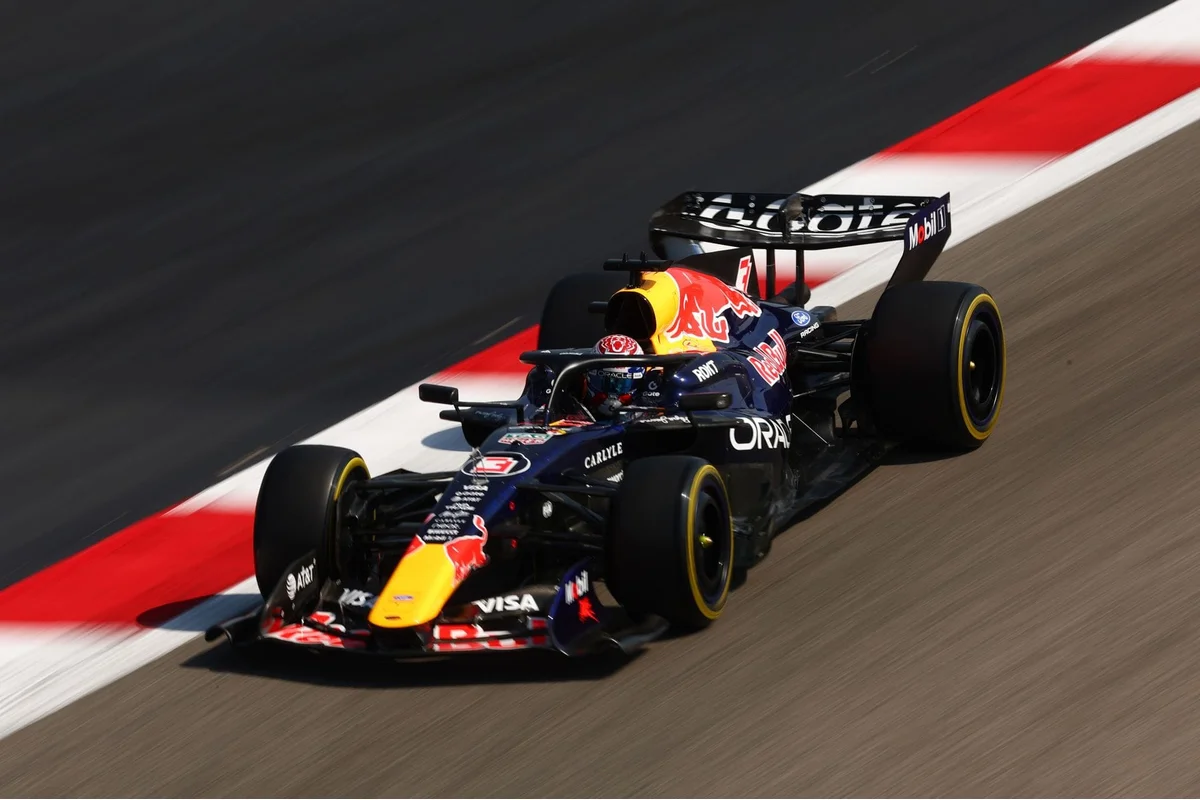
Upcoming Red Bull lineup and evolving driver dynamics for 2026
Looking ahead, the 2026 Formula 1 grid will feature Max Verstappen and newcomer Isack Hadjar racing for the Red Bull team. Drivers like Charles Leclerc have shown fierce competition potential, demonstrated notably by his determined race pace against Verstappen despite earlier setbacks. Meanwhile, former champions such as Sebastian Vettel have visibly declined, suggesting a shifting guard as younger talents rise.
This evolving dynamic among drivers will help shape the sport’s competitive landscape as new regulations come into play, adding an additional layer of interest for fans and stakeholders alike.
Contrasting cultures: Formula 1 versus Formula E
Formula E’s image contrasts sharply with that of Formula 1, characterized by its heavy emphasis on electric vehicles and environmental messaging. Described by some critics as
“motorsport for people who do not like motorsport,”
Formula E has cultivated a reputation for being more about spectacle and celebrity endorsements than pure racing passion. The drivers often act like representatives or salespeople for the sport rather than traditional racers, an approach that leaves many fans skeptical.
Formula E’s events sometimes include influencer appearances and promotional stunts rather than focusing solely on competition, which sparked controversy following Izzy Hammond’s high-profile crash in Jeddah — an incident reflecting the dangers of treating motorsport lightly. Fortunately, Hammond escaped without injury, but the episode triggered debate over the appropriateness of such exhibitions in a high-risk sport.
Reactions to Verstappen’s remarks and Formula E’s public relations moves
Following Verstappen’s critical comparison, Formula E CEO Jeff Dodds responded by offering Verstappen a test drive in a Formula E car, seemingly as an invitation to experience the series firsthand. This reply, however, failed to persuade Verstappen or many F1 observers, who view the newer F1 regulations as compromising the essence of top-tier motorsport rather than embracing innovations that enhance competition and excitement.
The contrast between F1’s complex and technical racing format and Formula E’s marketing-driven approach exemplifies broader tensions in motorsport’s adaptation to modern environmental demands. Critics argue that Formula 1 risks diluting its unique appeal by adopting features reminiscent of Formula E, potentially alienating core fans.
The implications of F1’s 2026 car designs and what lies ahead
The new F1 cars slated for 2026 feature significant regulatory changes aimed at sustainability, including a greater focus on electric power components. Observers note onboard footage from the Bahrain test showing electric noises during braking that sound remarkably similar to those heard in Formula E vehicles. This has fueled concerns that F1 is losing its distinctive character in an effort to prioritize eco-friendly technologies.
Despite these worries, it is unlikely that Formula 1 will ever reach the perceived lows of Formula E, particularly regarding the seriousness with which it approaches racing risks and driver skill. The sport maintains a commitment to high standards of competition and safety, even as it adapts to new environmental challenges and technological advances.
Fans and pundits will be watching closely as the 2026 season approaches to see how these changes affect the spectacle and integrity of Formula 1 racing.
