
Max Verstappen, the four-time world champion with Red Bull Racing, has openly criticized the FIA for the predictable difficulties arising from the 2026 Formula 1 regulations. As preparations build for the Australian Grand Prix, Verstappen warned that the new power unit rules, which heavily change the balance between internal combustion engines and electric power, could threaten the excitement of F1 racing.
Significant Changes to Power Units Stir Concerns Over Racing Quality
The upcoming F1 season introduces a radical adjustment with its power units, shifting to an even 50-50 power split between the internal combustion engine and electric battery, a sharp change from the previous 80-20 balance. This shift has sparked worries about a problem known as “Super Clipping,” where the electric battery drains before the end of long straights, forcing drivers into recharge mode without sufficient help from the engine to maintain speed. Such limitations might complicate overtaking and reduce close racing battles that fans expect.
Verstappen expressed clear frustration about these consequences, emphasizing how the regulations force reliance on specific energy modes like Overtake and Straight Line, even when the battery is low. This situation leads drivers to use lift-and-coast techniques to conserve energy, potentially harming qualifying performances and overall race dynamics.
I mean, we’re a bit late with that,
Verstappen said during a media briefing.
The amount of money that has been invested into these regulations means they are here to stay for a while. You could have seen this coming. Suddenly, things are raised—it’s a bit late now.
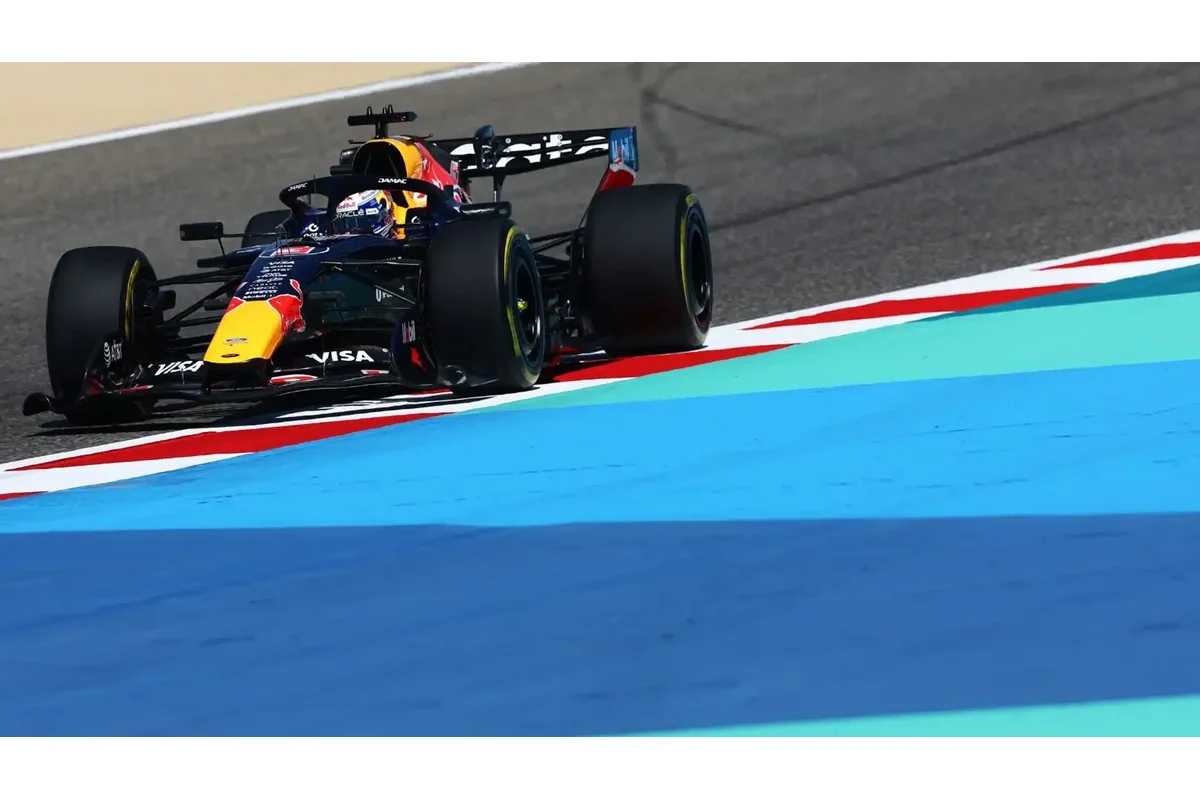
FIA’s Removal of MGU-H Component Complicates Engine Performance
The FIA’s decision to remove the MGU-H, a device that converts exhaust heat into electrical energy, has introduced new issues. Despite simplifying engine design and attracting more manufacturers to F1, this change has caused turbo lag problems, resulting in team stalls at race starts. The FIA is now reconsidering starting protocols as teams adjust to these technical hurdles.
Potential Solutions to Battery Drain Issues and Their Downsides
To address the Super Clipping concern, especially on circuits with long straights like Silverstone and Monza, the FIA is exploring reducing battery capacity to ensure the power lasts throughout these sections. However, this approach risks slower lap times, possibly diminishing Formula 1’s reputation for delivering the fastest and most intense racing.
Verstappen remains doubtful about the effectiveness of such measures.
You can reduce the power, but that means slower lap times,
he explained.
It’s a complex issue, and it’s hard to say what the best solution is right now.
The Uncertain Future of Formula 1 Amid Regulatory Changes
The 2026 technical overhaul represents one of the most profound shifts in Formula 1 history. All eyes will be on Melbourne to see if these new power units can produce the thrilling race action the FIA hopes for or if this marks the start of a difficult period for the sport. Verstappen’s warnings resonate with increasing concern among drivers and fans, as many question whether Formula 1 can maintain its status as the pinnacle of motorsport.
