
McLaren is preparing hardware updates aimed at resolving its persistent pitstop problems by the 2026 season, clarifying that the recent struggles affecting Lando Norris are coincidental. The team attributes the Lando Norris pitstop issues to a combination of equipment and operational factors rather than singling out the driver, despite Norris facing several slow stops over recent races.
Root Causes Behind McLaren’s Pitstop Delays
As Lando Norris battles teammate Oscar Piastri for the championship, he experienced notably delayed pitstops in three consecutive Grands Prix. At Zandvoort, a 4.83-second stop caused Norris to fall behind Piastri before he retired from that race. In Monza, a slow tyre change again cost him track position to the Australian, triggering a well-discussed driver swap. Then in Baku, Norris encountered another stop exceeding four seconds, dropping him into the midst of traffic he had to fight through.
Following detailed analysis, McLaren determined the pitstop issues stem from hardware that complicates the tyre-changing process for mechanics, leading to challenges in consistently replicating fast stops. In response, the team is working on hardware modifications to simplify operations and reduce human errors during pitstops.
The History and Current State of McLaren’s Pit Crew Performance
Since major improvements in 2022, McLaren’s pit crew has ranked among the best in Formula 1, finishing second in DHL’s 2024 fastest pit stop awards. Despite this strong history, recent slow stops have highlighted limitations in the current hardware that make executing flawless tyre changes more difficult than anticipated. These equipment issues increase the chances of mistakes, even for McLaren’s experienced crew.
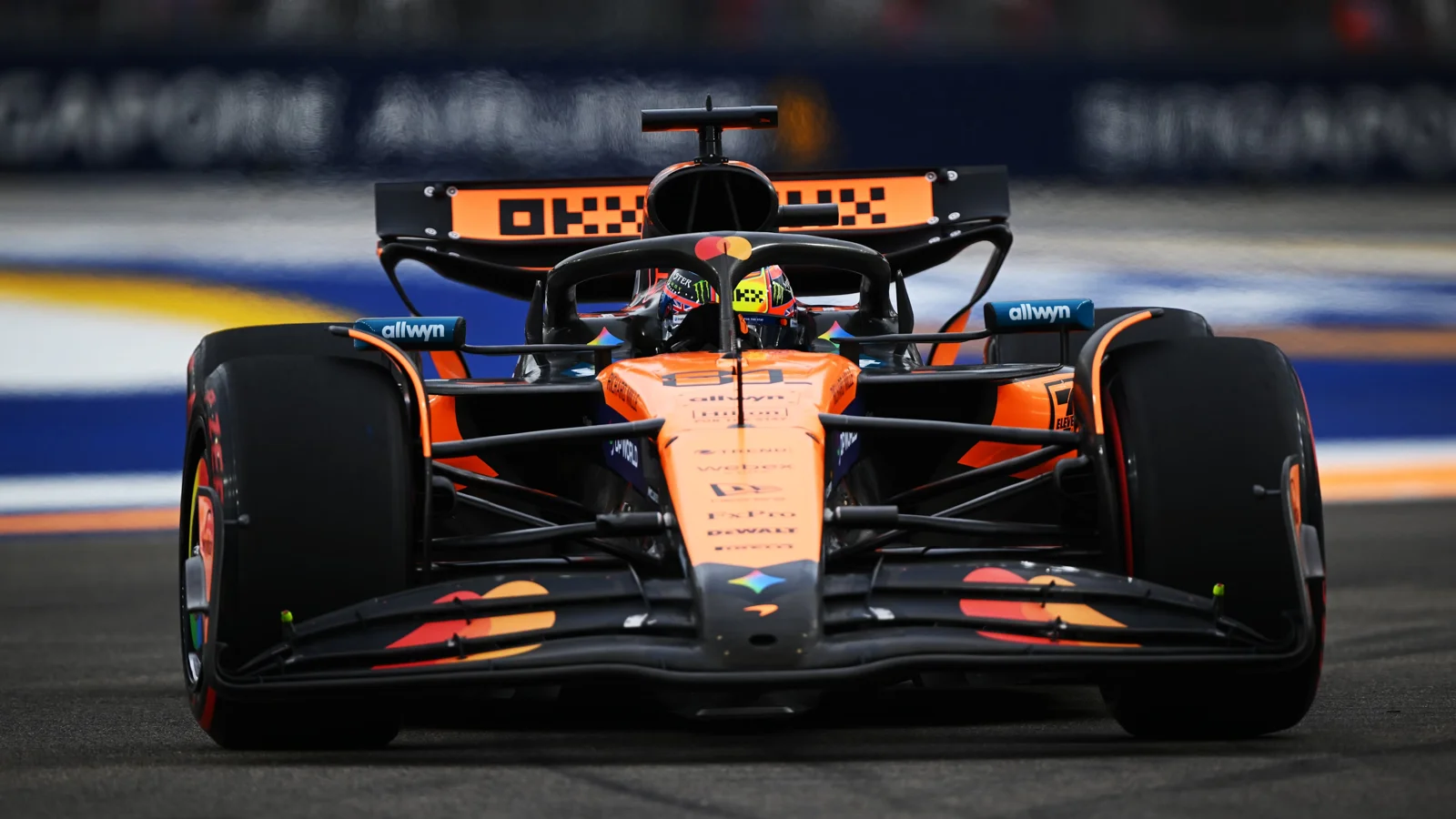
“Even if we see the execution of the pitstop by the pit crew, this is really a combination of the human factor, the execution, the operation, with the quality of the hardware and how much the hardware makes the operation of changing tyres as natural and as easy as possible,”
Stella explained.
“In our review, we identified that we needed to improve in all factors, from a human point of view, but also we know that our hardware makes the operation, for instance the gunning, a little bit more complex than it should be.
We are applying some corrections, which will be mainly for next year now. At the same time, we are working with our pit crew to make sure that we can mitigate some of these difficulties introduced by the hardware. It’s definitely quite a lot of work of review and correction and testing and practicing at the factory with the rig.”
Why Lando Norris Has Experienced More Pitstop Setbacks
Stella emphasized that the perception Norris has suffered the majority of pitstop delays is due to chance rather than systemic bias. Over the full season, pitstop timing between Norris and Piastri remains closely matched. However, because the last three races were all single-stop events, Norris’s recent slow stops have had a more visible impact on his race performance.
“For the sake of checking it, we saw that when you average the pit stop time, it’s pretty much the same over the season for Lando and Oscar,”
Stella added.
“And I think it’s just a coincidence due to the short observation window of the last couple of events that this has accumulated on Lando’s side. But actually, the data don’t seem to support that across the season.”
McLaren’s Path Forward to Address Pitstop Challenges
McLaren is dedicating significant effort towards hardware improvements set for rollout next year, aiming to give mechanics more reliable and user-friendly tools to ensure consistent pitstop performance. Alongside equipment upgrades, the team is refining operational practices through rigorous testing and simulator work at its factory facility. This dual approach intends to minimize errors and restore McLaren’s reputation for swift and precise pit stops.
Resolving these issues is critical for McLaren as Norris and Piastri close in on the championship’s decisive phases, where every second lost in the pits could influence the title outcome. By addressing both human and hardware factors, McLaren hopes to avoid further costly pitstop delays, maintaining strong competitiveness through the remainder of the season and into 2026.
