
A late-race crash involving Natalie Decker at the O’Reilly Auto Parts Series race in Daytona ignited a heated discussion within NASCAR about female drivers and their role in the sport. The incident quickly evolved beyond the track, raising issues of representation and expectations placed on women competing in a predominantly male environment.
The Daytona Incident That Triggered Debate
During the race, a significant accident occurred when Sam Mayer’s car spun and rolled back onto the track. As Decker approached the scene, she collided with Mayer’s car, sparking immediate controversy over whether she could have avoided the crash. Critics argued that Decker had sufficient time to slow down, while supporters emphasized the unpredictable and fast-changing conditions typical of superspeedway wrecks, where reaction time is minimal.
Television analysts weighed in, recognizing that drivers are expected to decelerate when caution flags come out and wreckage remains on the racing line, but they refrained from assigning direct blame for the collision. Decker explained the crash as a consequence of Mayer’s car path, but her statement only intensified scrutiny, particularly on social media.
Voices from Within the Female NASCAR Community
The response to the Daytona crash extended beyond fans to include prominent female drivers and figures inside the sport. Karsyn Elledge, granddaughter of legendary Dale Earnhardt and co-host of the Door Bumper Clear podcast on Dirty Mo Media, spoke out about the incident. Elledge expressed frustration, describing the situation as a damaging moment for women striving to gain respect in NASCAR.
“It’s an embarrassing moment for women working to earn respect in NASCAR.”?Karsyn Elledge, Co-host, Door Bumper Clear podcast
Elledge’s comments underscored the broader challenge female drivers face in balancing performance expectations with how they are perceived. ARCA Series driver Taylor Reimer added her perspective on social media, stressing the importance of being a positive role model and acknowledging that every on-track action influences relationships with sponsors, teams, and fans.
“Every action on and off the track carries weight with sponsors, teams, and young fans.”?Taylor Reimer, ARCA Series driver
Jade Avedisian supported Reimer’s stance by sharing her message and reinforcing the necessity for female drivers to uphold high standards amid limited opportunities and constant scrutiny. These statements made clear that while no personal attacks were made, female drivers feel a strong obligation to represent their gender responsibly in the sport.
The Unique Position of Natalie Decker in NASCAR
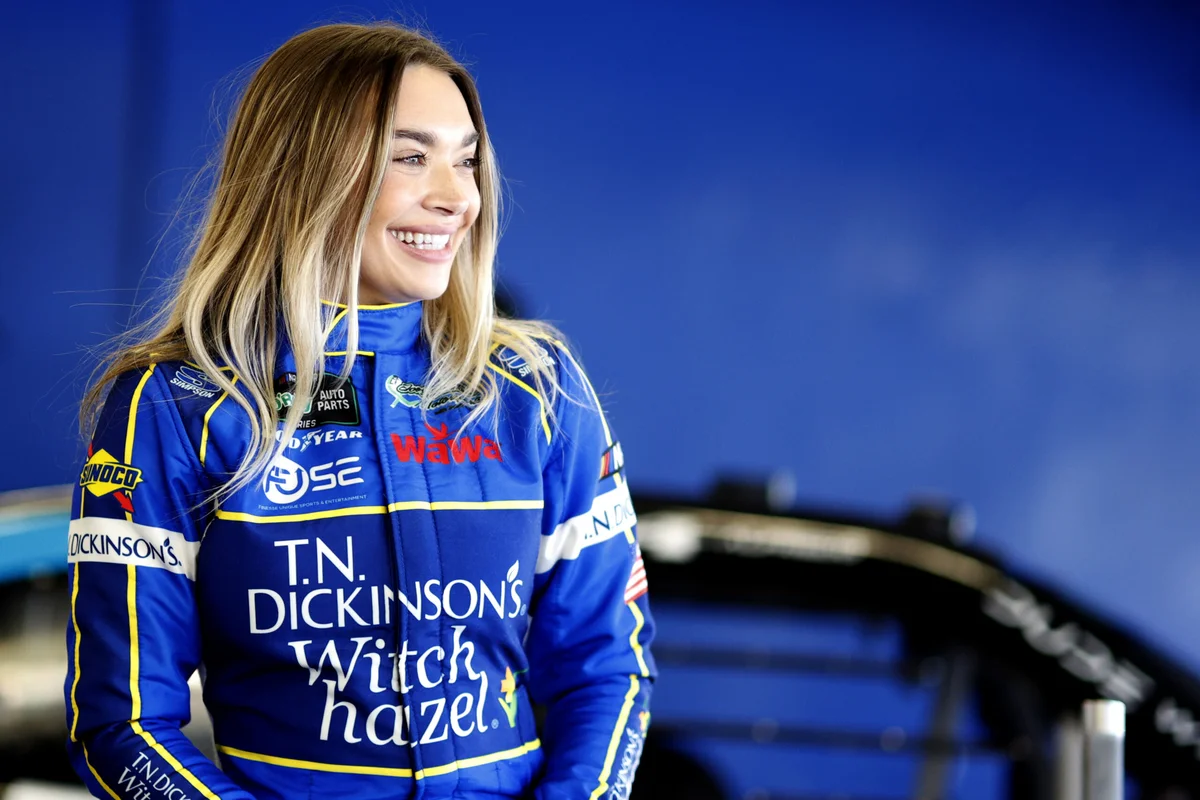
Although not a full-time national series competitor, Natalie Decker is one of the most well-known female drivers in NASCAR. Her profile means she attracts significant public attention, both favorable and critical, unlike many emerging drivers. In a sport where exposure drives sponsorship and media interest, Decker’s visible presence complicates the dynamic around performance and reputation.
For drivers climbing through ARCA and development circuits, results on the track are vital to building credibility. When discussions shift from driving skill and race finishes to controversial incidents or social media debates, frustration often grows among these competitors. The Daytona crash reopened questions not just about race decisions but also about how women want to be portrayed in a sport gradually embracing more diversity.
The Intersection of Performance and Public Image
Female NASCAR drivers frequently operate under an intensified spotlight. Their mistakes are sometimes viewed through the lens of gender rather than competitive racing, and every achievement can be perceived as symbolic. This environment adds exceptional pressure to perform well and maintain a positive image.
Some drivers prefer to earn respect predominantly through racing results, while others recognize the necessity of building a brand and maintaining a media presence to secure sponsorship in a competitive financial landscape. The fallout from the Daytona event brought these distinct philosophies to the forefront of conversation, revealing the challenges women face in balancing on-track performance with off-track responsibilities.
Looking Ahead: The Broader Implications
Natalie Decker is expected to compete in selected races throughout the season. While the initial surge of criticism may diminish as new stories emerge, similar incidents could prolong the debate. This moment transcends a single crash, acting as a catalyst for examining how female drivers in NASCAR want the sport to progress and the standards they feel are necessary to advance that evolution.
Daytona, known for its harsh racing conditions and frequent accidents, often leaves lasting impressions beyond physical damage to cars. This time, the reverberations are felt within the community, focusing on how women in motorsports are viewed and the collective effort to shape their future roles.
