
McLaren driver Oscar Piastri emphasized the importance of Formula 1 maintaining its heritage by preserving classic race tracks, especially amid concerns over the future of iconic venues. With the Emilia Romagna Grand Prix held recently likely marking the last appearance of Imola for some time, Piastri highlighted the need for balance as the sport expands globally.
Imola’s Future Uncertain Amid Commercial and Calendar Pressures
The legendary Autodromo Internazionale Enzo e Dino Ferrari, located in Imola, hosted what appears to be its final race in the foreseeable future, as its contract with the Formula 1 series has expired. Despite optimism from race promoters about securing a new agreement, F1 CEO Stefano Domenicali clarified that having two races in Italy is difficult to justify given the growing interest from other countries eager to join the calendar.
This pressure to diversify the race locations aligns with broader changes in Europe, where longstanding circuits face similar challenges. The Dutch Zandvoort track is set to leave the calendar after 2026, while the Belgian Spa-Francorchamps circuit will adopt a rotational schedule, missing races in 2028 and 2030. Other historic venues such as Hockenheim and Nurburgring have already been dropped to accommodate newer, often street-based races in countries with emerging motorsport markets.
Champion’s Perspective on Traditional Tracks Versus New Venues
Piastri described Imola as one of his favorite Formula 1 tracks worldwide, praising its identity despite having competed there only once before the 2025 season. He acknowledged the commercial realities of having multiple Italian races given the fierce global competition for spots on the calendar but stressed the importance of safeguarding history.
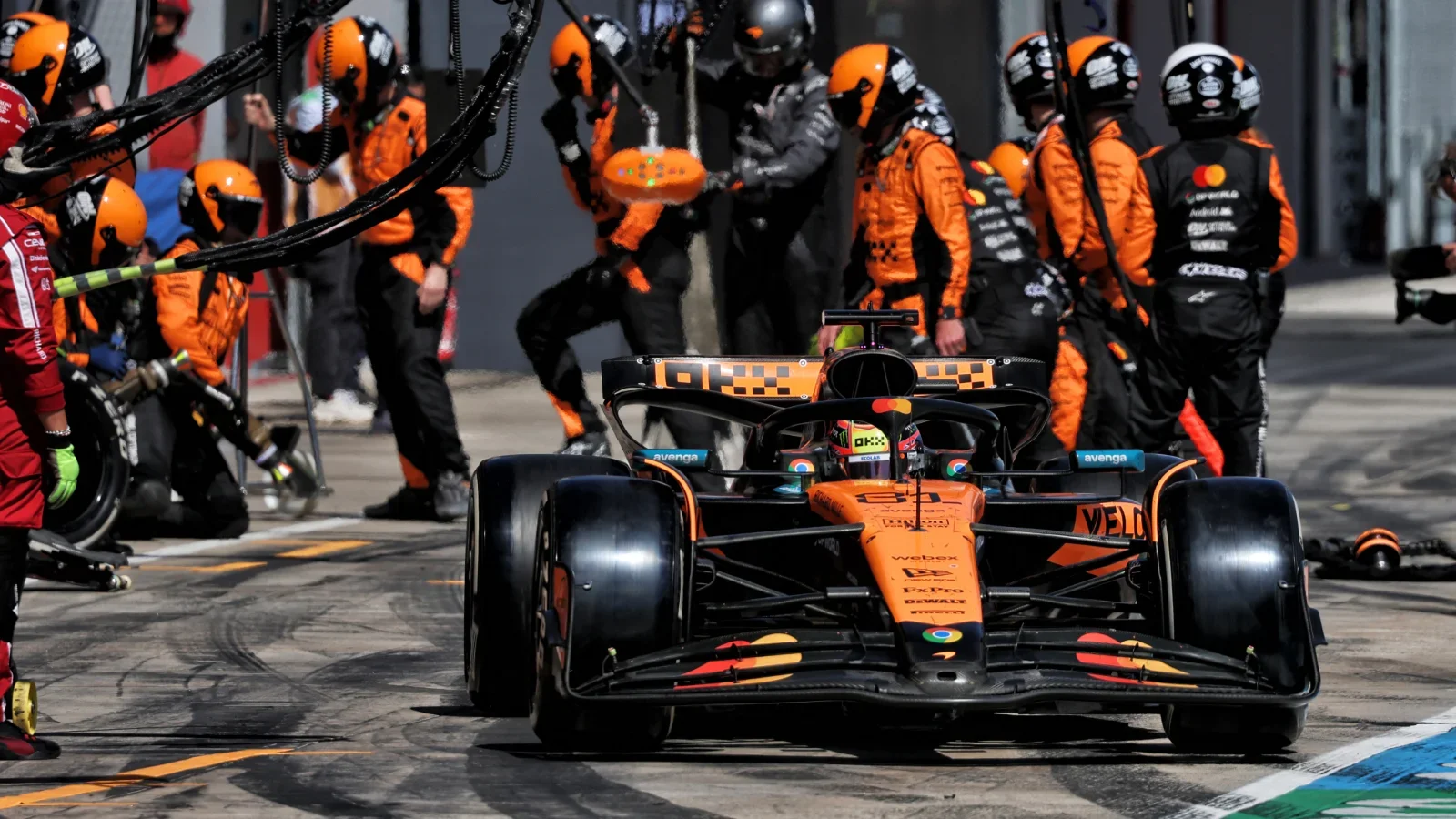
“It’s a great circuit,” Piastri said.
“Having two races in the same country, with how many bids we have from around the world, maybe doesn’t make that much sense anymore. And when you have Monza as your second race in Italy, it’s pretty hard not to go to Monza. There’d be some riots if we didn’t!”
He continued,
“So for me, we just need to be careful to preserve the history. Zandvoort is going, Spa is going to be on rotation, which I’m not the happiest about. We just need to be careful not to lose these historical tracks.”
OK, maybe it’s not the best track to race on — not the best for overtaking — but in terms of the ultimate experience of driving an F1 car, this is at the top of the list. We need to be mindful of that.
—Oscar Piastri, McLaren driver
Alpine’s Franco Colapinto Highlights the Unique Appeal of Imola
New Alpine driver Franco Colapinto echoed these sentiments, expressing his affection for Imola and the distinct experience it offers compared to modern Tilke-designed circuits. Having started his Formula 1 journey in Monza, Colapinto values the heritage and challenging layout of Imola.
“I love Imola. I love Italy. I have some great memories and great history here. I started in Monza — that was my debut in Formula 1 — and now it’s Imola. Still in Italy, but with Alpine. I love Imola. It’s a great track with a massive history in Formula 1. We all like coming here,”
he said.
The history this brings to the sport, it’s a great track, and especially to drive a Formula 1 car here. There are specific corners — it’s such an old-school track, it’s very enjoyable to drive.
—Franco Colapinto, Alpine driver
The Challenge of Balancing Expansion and Tradition in F1
The shifting Formula 1 calendar reflects the sport’s ambitions to enter new markets while coping with the limited number of race weekends. With classic European tracks either rotating out temporarily or being dropped altogether to create room for emerging street venues in countries less familiar with motorsport tradition, F1 faces a delicate dilemma.
For drivers like Piastri and Colapinto, preserving historic circuits like Imola and Spa-Francorchamps is vital for maintaining the sport’s identity and offering drivers a rich, varied racing experience. How Formula 1 navigates this tension will impact fan sentiment and the series’ connection to its roots.
