
Oscar Piastri has issued a serious warning about the risks drivers will face at the start of the 2026 Formula 1 season, drawing a comparison to the intense and often chaotic starts seen in Formula 2. Piastri, racing for McLaren, cautioned that any mistake on the grid could cost a driver as many as seven positions, a setback that might instantly change the outcome of a race.
Changes in Race Start Procedures and Their Impact
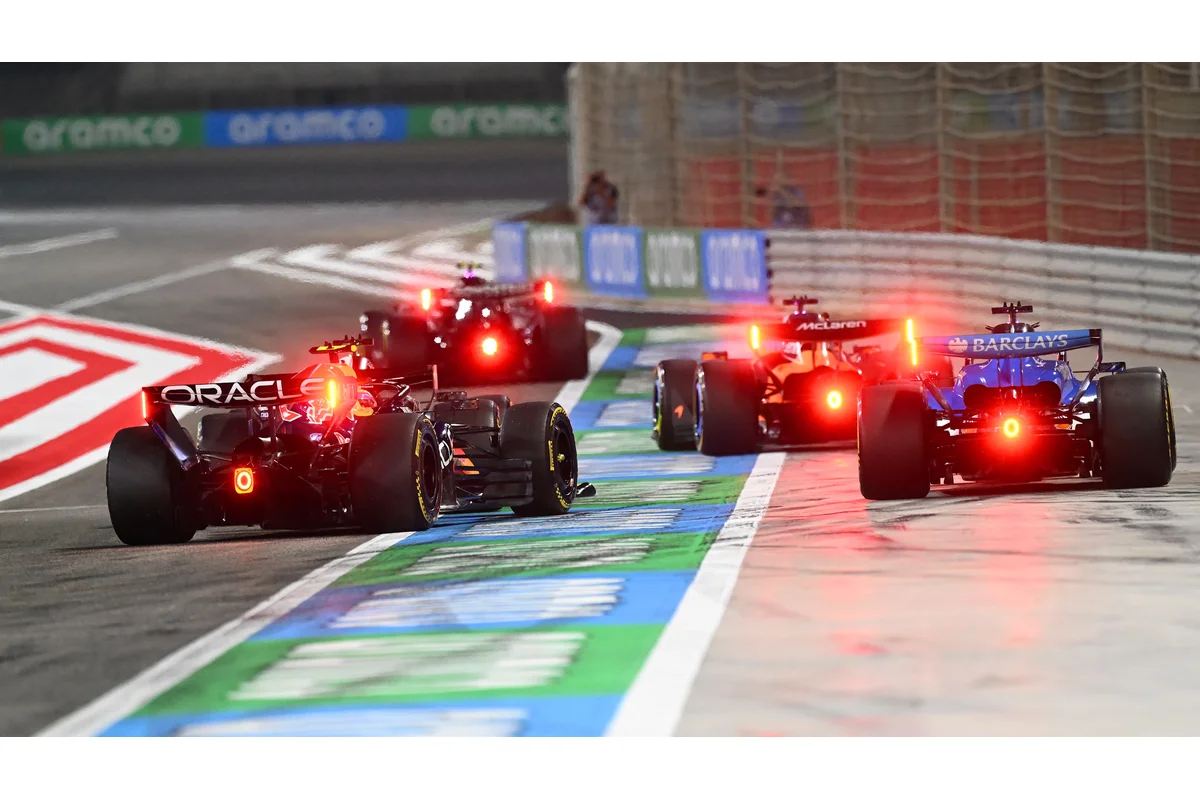
The 2026 season brings significant technical changes, notably the elimination of the MGU-H, which affects how drivers manage their starts. Now, they must maintain engine revs for a mandatory 10 seconds to properly build turbo pressure. Mistiming this process can result in slow acceleration or the car entering anti-stall mode, jeopardizing both safety and competitiveness. The peril of this new system was made evident when Franco Colapinto nearly lost control during a recent Bahrain test session, narrowly avoiding a collision with barriers.
Uncertainty Surrounding Optimal Start Techniques
Addressing the challenges ahead, Piastri admitted the current uncertainty among drivers about mastering the new starting formula.
Everyone’s going to need different things for the start, and to be completely honest with you, I’m not sure any of us know exactly what we need yet.
He emphasized the greater risks compared to previous seasons, explaining,
The difference between a good and bad start last year was you got a bit of wheelspin or you had a bad reaction time. This year it could be effectively like an F2 race where you almost go into anti-stall or something. You’re not just losing five meters or so; you could be losing six or seven spots if it goes wrong.
Safety Concerns and Calls for Procedural Revisions
Drivers starting further back on the grid face additional hurdles, as they may find it difficult to sustain the 10-second turbo rev requirement before the race begins. These complications have raised alarms about the overall safety of race starts under the new rules. Andrea Stella, McLaren’s team principal, has publicly demanded urgent changes to the procedure. Piastri reinforced this call, stating,
The starts need to be addressed,
and adding,
As we’ve all seen, it’s a pretty complicated process now to have a safe start, let alone a competitive one.
Other Key Challenges Facing F1 in 2026
Beyond starting difficulties, the complexities of overtaking are also evolving with the new regulations. The introduction of energy harvesting and deployment replaces the straightforward advantage once provided by DRS, adding layers of strategy and technical demand during races. Piastri explained,
Overtaking is certainly going to be different as well. DRS was obviously just a pure advantage you used to gain, whereas now with the energy boost you’ve obviously got to harvest that extra energy somehow and then deploy it, which, with some of the rules in place, is not always that straightforward.
Implications and What Lies Ahead for the Upcoming Season
As the F1 community approaches the season opener in Australia scheduled for March 6-8, these start-related challenges will remain a central topic, especially at the upcoming F1 commission meeting during the Bahrain test session. The uncertain nature of the new race starts has generated anxious anticipation, with many concerned about the potential for dramatic, game-altering incidents early on in races. With drivers like Piastri emphasizing these issues, the 2026 season could mark a turning point in Formula 1’s technical and sporting landscape.
