
Sergio Perez has described the harsh challenges of sharing a Formula One team with Max Verstappen, calling the role “the worst job in F1.” In a recent podcast appearance, Perez focused on his uphill battle as Verstappen’s teammate at Red Bull, adding context to the ongoing conversation about Max Verstappen teammate struggles and the unique pressures that drive intense competition within the sport.
As Perez prepares for a new chapter with Cadillac in the 2026 season, his candid remarks have reignited discussion about internal dynamics at Red Bull Racing. Drawing sharp contrasts between his own results and those of Verstappen, Perez pointed out that, despite both drivers competing in 90 races together, Verstappen collected 53 wins, while his own tally stood at just five. This numeric gap highlights not just the difference in outcomes, but also the emotional burden that Perez says weighed on his experience in the paddock.
When speaking to Oswaldo Trava on his podcast, Perez stated,
the worst job there is in F1.
– Sergio Perez, driver. He continued to describe the effects of the team environment:
I was on the best team, but it was complicated,
– Sergio Perez, driver. These admissions add weight to the growing sense that mounting expectations and internal politics made his stint at Red Bull uniquely stressful.
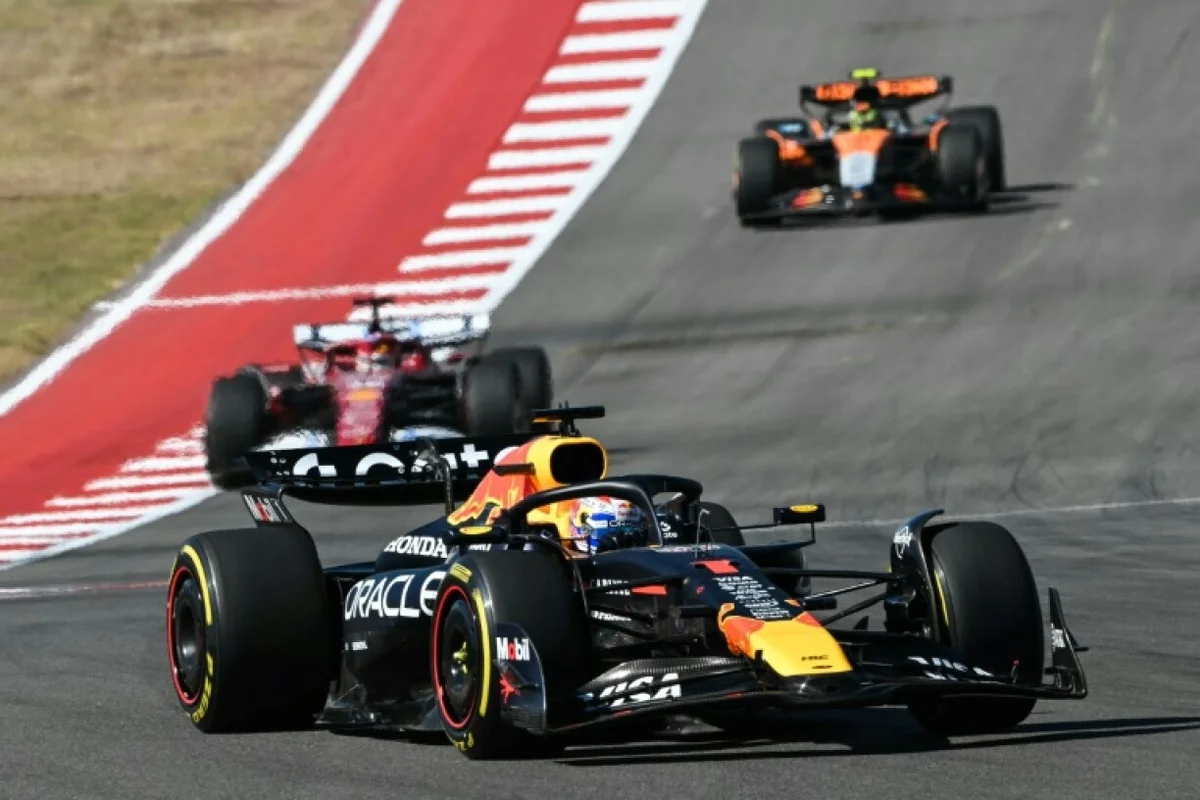
Inside the Red Bull Garage: Friction and Fallout
Perez detailed how moments of success were not always celebrated, suggesting that his rare occasions of outpacing Verstappen were often met with discomfort rather than praise. He explained,
If I was faster than Max, it was a problem,
– Sergio Perez, driver. This, he argues, fostered an atmosphere that preferred a subordinate teammate rather than genuine on-track rivalry, intensifying feelings of isolation within the squad.
He went on,
At Red Bull, everything was a problem,
– Sergio Perez, driver. Perez painted a picture of persistent internal discord, hinting that such an environment limited not only his own performance but possibly also the team’s long-term prospects. These remarks build on longstanding rumors that Red Bull’s strategies have historically revolved around supporting a single “star driver,” leaving their teammates struggling to shine.
Red Bull’s Lost Opportunity and Management Critique
Beyond personal frustrations, Perez took aim at Red Bull’s management for what he perceives as a missed opportunity to become Formula One’s undisputed dominant force. He commented,
We had the best team, unfortunately everything was destroyed,
– Sergio Perez, driver. As teams like McLaren with standout drivers such as Lando Norris started claiming important wins, Perez’s criticism suggested that Red Bull’s internal challenges stopped them from achieving prolonged dominance compared to legends like Schumacher and Hamilton.
He also indicated that media scrutiny of his performance may have distracted from more serious disruptions inside the team, referencing notable events such as upheaval amid Christian Horner’s time in charge. Perez shared,
There was so much pressure that year,
– Sergio Perez, driver. This observation links the public narrative about teammate struggles with broader turmoil, further fueling speculation about Red Bull Racing’s internal dynamics.
The Road Ahead for Perez and Formula One
Sergio Perez’s revelations have sparked renewed discussion among critics, analysts, and fans about the long-term effects of top-team politics and the challenges of being a Max Verstappen teammate. As Perez returns to the Formula One grid with Cadillac, there is growing interest in how these past experiences will shape his approach and performance on the race track. The allegations of a toxic garage atmosphere and the loss of strategic focus at Red Bull have set the stage for heightened scrutiny of team relationships and management decisions in upcoming seasons.
With the 2026 season on the horizon, the world of Formula One watches closely to see if Perez can redefine his narrative and prove that his prior struggles reflected more on the environment than his abilities. The saga highlights not only the human cost behind the sport’s fiercest rivalries but also the pivotal role of leadership and team culture in determining who ultimately succeeds or falls short.
