
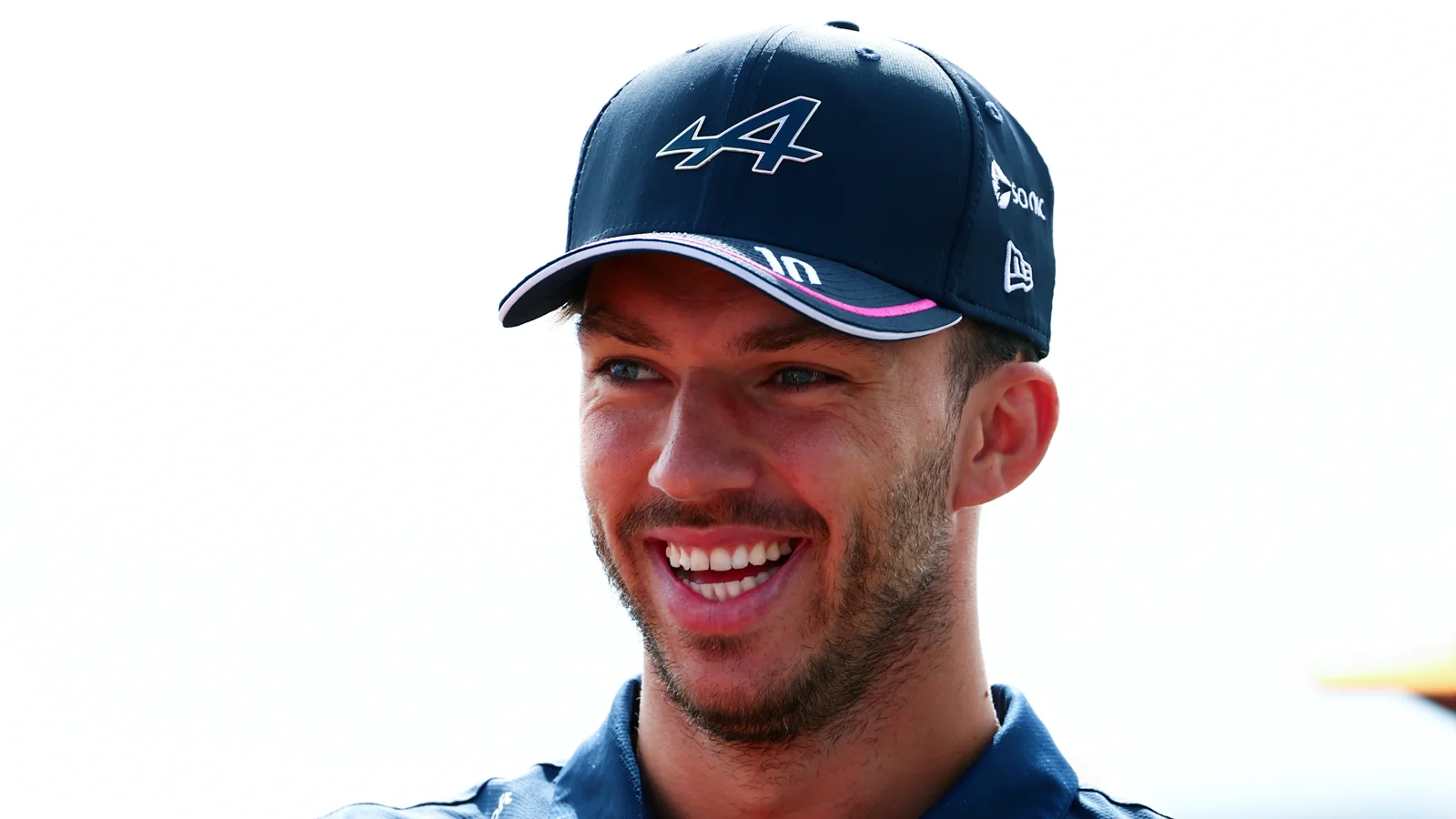
Pierre Gasly has chosen to extend his contract with Alpine for three more years, a surprising decision considering the team’s recent struggles to produce a competitive car. The announcement came during the 2024 season, at a time when Alpine is navigating a challenging period marked by frequent management changes and technical setbacks. The decision reflects both Gasly’s current market constraints—competitive drives at McLaren, Ferrari, Mercedes, and other top teams are already locked down—and his belief in Alpine’s evolving prospects.
Early 2024 Season Challenges and Alpine’s Shift in Focus
The Alpine team’s 2024 campaign began with moderate results before performance declined further. This downturn largely stemmed from a strategic choice to prioritize development for the 2026 car, rather than focusing on in-season improvements. This shift caused short-term sacrifices but was intended to position the team better for the new regulations coming in 2026.
Renewed Stability Under Leadership and Technical Direction
Recent changes in management and engineering leadership have brought a new sense of stability to Alpine. David Sanchez, an ex-Ferrari engineer, took charge of the technical department last year, leading a steadying effect. Meanwhile, the return of Steve Nielsen as managing director ahead of the Italian Grand Prix has reinforced the team’s operational coherence. Flavio Briatore’s strong management presence, though divisive, has injected clarity and renewed focus into Alpine’s long-term plans.
Gasly’s Perspective on His Contract Decision and Team Environment
Gasly openly acknowledged exploring other options before signing his extension but emphasized that Alpine presented the most viable opportunity given the current market. He said,
“Of course I did [look elsewhere],”
highlighting that considering other teams was a normal part of the process and admitting that the season’s performance had tempered initial enthusiasm. He also expressed confidence in the team’s direction:
“But honestly I believe this is a very strong option. Just got to wait and display some good performance from next season.”
He also commented on mutual commitment between himself and the team, stating,
“I think it’s good to have some clarity and show my commitment on both ends. From the team towards me and me towards the team.”
Gasly praised the group around him, saying he feels more comfortable compared to when he first joined Alpine and thinks the contract renewal will benefit everyone involved.
Historical Context: Renault’s Return and Alpine’s Rebuilding Efforts
Nearly a decade ago, Renault returned to Formula 1 as both a constructor and engine supplier, reacquiring the Enstone-based team that had won two constructors‘ titles under earlier ownership. However, the period that followed saw underinvestment, low morale among engineers, and ineffective management, particularly during Genii Capital‘s ownership. The situation mirrored French football clubs like Boavista and Bordeaux, facing declines under Gerard Lopez’s leadership. This unstable environment resulted in key staff departures and hampered progress, setting Alpine up for a prolonged recovery phase.
Improvements in Team Infrastructure and Management Stability
The revolving door of senior management in recent years made it difficult for Alpine to find cohesion. However, under Flavio Briatore’s leadership and the recent return of former team veterans like Steve Nielsen, Alpine appears more organized. This sense of stability and clearer strategic vision has created better working conditions for engineers and drivers alike, encouraging Gasly’s faith in the project. The arrival of a new driver-in-loop simulator exemplifies Alpine’s investments in cutting-edge technology to enhance development processes moving forward.
Prospects for 2026 Enhanced by Mercedes Power Unit Partnership
One of the most promising developments for Alpine’s future involves their power unit arrangement. After Briatore made the controversial decision to end Formula 1 engine development at Renault’s Viry-Chatillon factory, Alpine is expected to switch to a Mercedes power unit in 2026. The Mercedes powertrain is widely regarded as the most advanced in F1, especially since the introduction of hybrid technology in 2014, which could provide Alpine with a significant performance boost when the new regulations take effect.
Gasly’s Support for Alpine’s Strategic Development Choices
Gasly has publicly backed Alpine’s early decision to halt development on the 2025 car to focus resources on 2026. He explained,
“I fully backed the team at the start of the year once they decided to stop the development very early on compared to other teams, which obviously is a bit painful right now.”
Despite the current difficulties, he believes the approach aligns with his Formula 1 goals and the team’s long-term success. He emphasized confidence in the team’s current structure, saying,
“I fully believe in the team of people we have in Enstone. We’ve got some good new recruits. I think in terms of organisation, work processes we have, the team is probably in the best place that I’ve seen.”
Gasly further clarified the rationale behind Alpine’s cautious approach this year:
“Everything we know is not working on this year’s car is a conscious decision not to change it to maximise our chances from next season on.”
This deliberate restraint highlights the team’s commitment to setting a strong foundation for 2026 rather than short-term gains in 2024.
Looking Ahead: What Gasly’s Extension Means for Alpine’s Future
Gasly’s contract extension represents a vote of confidence in Alpine’s rebuilding process, signaling hope amid ongoing uncertainty. With an experienced driver committed through 2026 and a management team focused on stability and strategic development, Alpine aims to reverse nearly a decade of underperformance. The switch to Mercedes power units combined with improved engineering leadership could position the team as genuine contenders once the new regulations come into effect.
The upcoming seasons will test whether Alpine can translate these investments into tangible results, but Gasly’s decision suggests belief in the team’s potential growth and competitiveness over the next few years.
Related coverage: Pierre Gasly Alpine Contract Extension · Pierre Gasly Alpine Contract Extension 3
