
Pierre Gasly, a leading Formula 1 driver, is raising urgent concerns about persistent health threats facing racers in the ground-effect era, as the physically demanding F1 car designs draw to a close with the end of the 2025 season. The long-term ramifications of Pierre Gasly F1 health risks have come to the forefront, as competitors reflect on seasons marked by severe physical strain and an intensified debate over driver wellbeing.
Growing Discontent Among F1 Racers Over Ground-Effect Cars
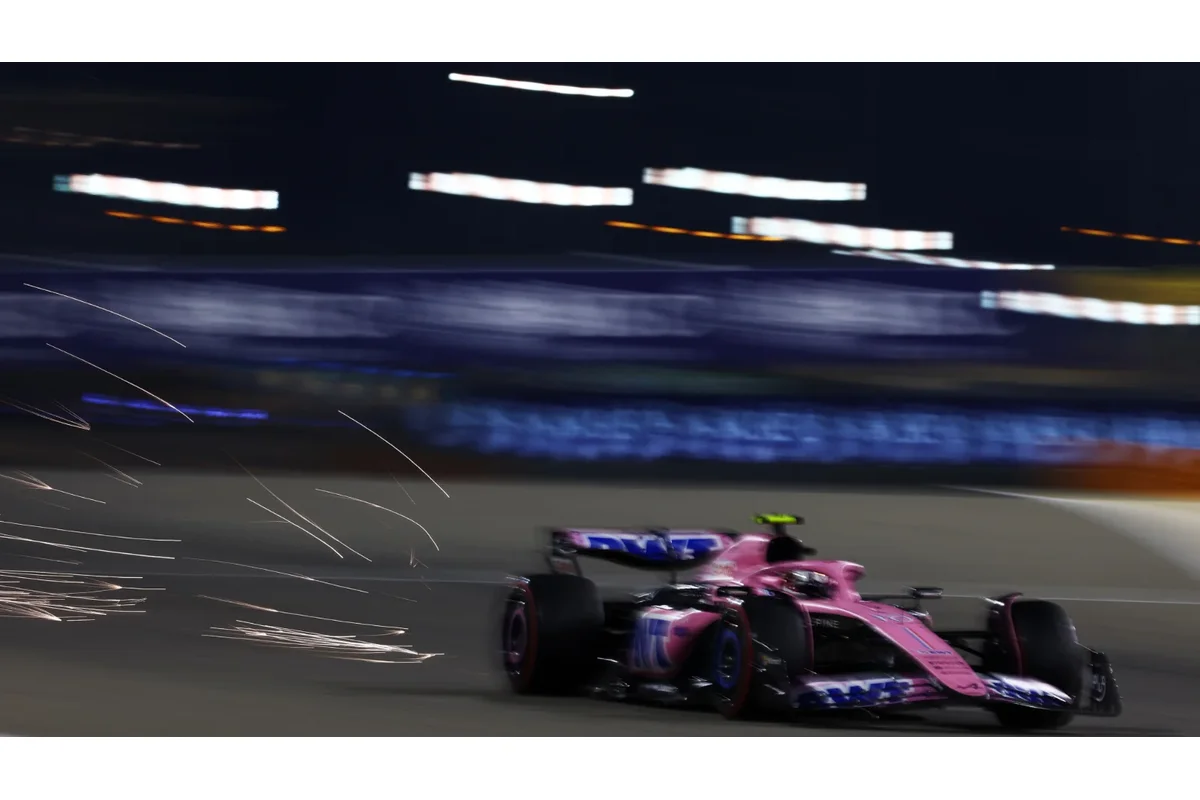
Since 2022, the return of ground-effect aerodynamics in Formula 1 has introduced the phenomenon of ‘porpoising,’ where cars bounce violently along the racetrack. Pierre Gasly, preparing for his ninth F1 season in 2026 after enduring the punishing ride of 2025, has voiced fears over possible lasting injuries resulting from the relentless pounding drivers have faced each weekend.
Gasly detailed the extent of discomfort experienced, noting the unnerving amount of vertical movement and its consequences on drivers’ bodies.
“The one thing we haven’t really been too happy as drivers is just the amount of bouncing,”
said Gasly.
“Obviously, ground effect cars need to run as low as you can, but physically for our backs, I think we all agree that it’s been rough. It’s not sustainable over like a full career, so I think that’s a good thing, that they sort of moved away from it.”
– Pierre Gasly, Formula 1 Driver
Top F1 Figures Echo Concerns Over Severe Physical Toll
Pierre Gasly is far from alone in his apprehensions; renowned names like Max Verstappen and rising talent Oliver Bearman have highlighted similar hardships linked to the extreme bouncing of these cars. The problem reached a dramatic peak at the 2022 Azerbaijan Grand Prix, where renowned World Champion Lewis Hamilton struggled with excruciating pain from porpoising, an ordeal that left him barely able to exit his Mercedes after the race.
“praying for the race to end”
– Lewis Hamilton, Formula 1 World Champion
Formula 1 Authorities React to Ongoing Health Debate
Nikolas Tombazis, the FIA’s single-seater director, addressed the growing unrest, admitting that the severity of the porpoising issue was underestimated when F1’s latest technical guidelines were established. With plans already in place for 2026 to introduce a wholly new aerodynamic concept meant to reduce or eliminate porpoising, Tombazis issued a word of caution that the danger may not disappear entirely, even under the revised rulebook.
The Road Ahead: A Countdown to New Rules and Driver Safety
As the F1 community anticipates the 2026 regulatory shift and the retirement of ground-effect cars from competition, there is a growing acknowledgment of the deep influence these recent years have had on driver welfare. Drivers such as Pierre Gasly, Max Verstappen, and Lewis Hamilton continue to navigate these hazards while the debate over F1’s duty of care for athletes intensifies. The coming seasons will determine if these reforms can effectively safeguard drivers’ health, or if the legacy of ground-effect racing will leave a more lasting mark on the sport.
