
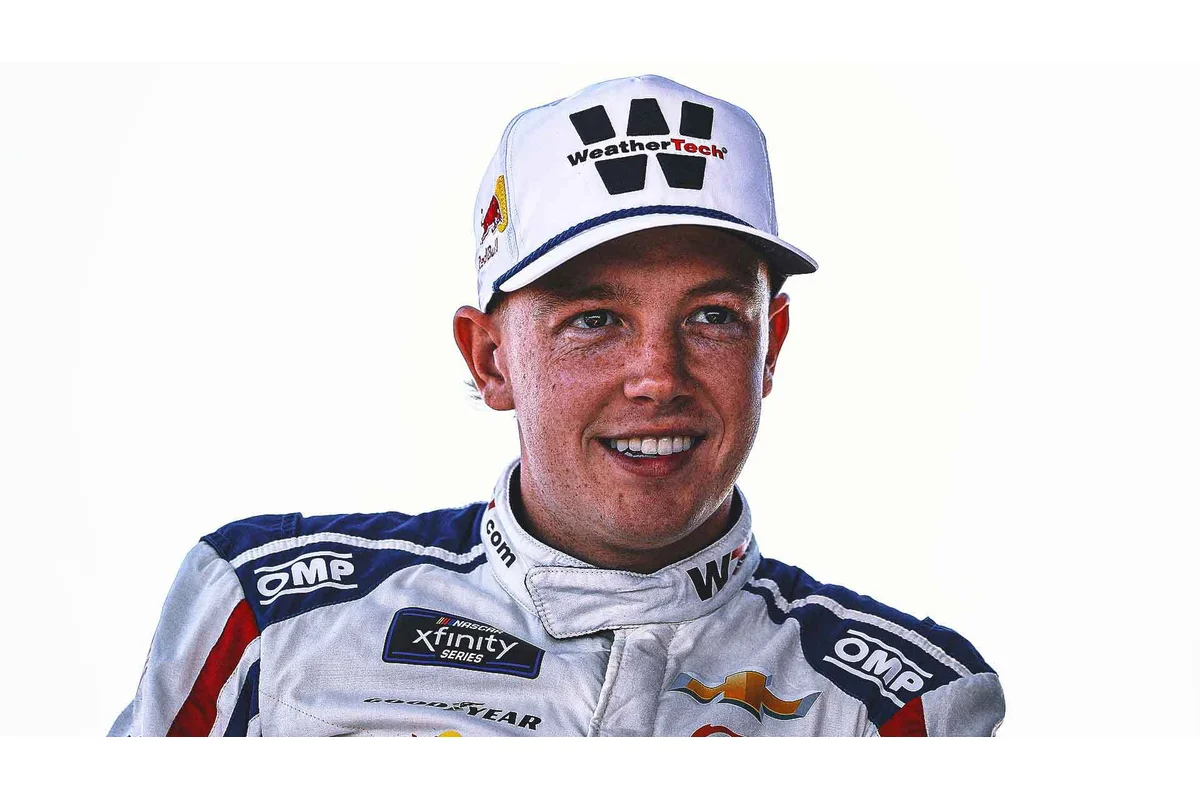
Ricky Stenhouse Jr. began his racing career at the age of six in karting before advancing to sprint car racing in 2003. Over five years, he secured 47 wins on dirt tracks and later shifted toward stock car competition by entering the ARCA Racing Series. In his debut ARCA season, Stenhouse made 21 starts, earned two victories, placed fourth overall in the standings, and earned an opportunity to race in the NASCAR Xfinity Series in 2009. This foundation set the stage for his progression into top-tier stock car racing.
The Challenges of Moving from Dirt to NASCAR
While Stenhouse’s experience on dirt offered valuable skills, the transition to NASCAR involved adapting beyond his original racing style. During a discussion on Donut Podcasts, he reflected on how his sprint car background influenced his stock car driving, acknowledging that some habits transferred smoothly, while others required adjustment. He highlighted that sprint car racing trains drivers to maintain prolonged sideways sliding, which creates an exciting visual but hinders forward speed. The instinct to slide aggressively did not directly benefit stock car performance, requiring a mental shift in approach.
Adjusting Driving Techniques for Stock Cars
Stenhouse shared,
“I don’t race my NOS energy drink sprint car near as much as I used to obviously back in the day, but when I get in it, there’s a lot of times that I got to remind myself like, ‘It’s cool to be sideways, but like you want to be pretty straight and and driving forward.’”
This awareness helped him recalibrate the balance between control and aggression. Although the sideways control felt natural on dirt, stock cars handle differently, and pushing them too far into yaw often caused him to lose control early in his career. He further noted that the comfort with instability on dirt gave a valuable foundation for handling stock cars under sliding conditions, but there is a fine line where too much angle could end races prematurely.
Finding the Right Balance in Car Control
Stenhouse emphasized that mastering the delicate balance between letting the car slide enough to aid cornering but not so much as to lose momentum became a core skill throughout his racing career. This principle, he believes, holds true across different racing formats and remains crucial for consistent performance. He stated,
“The car control, the feel of being comfortable sideways, helped in the stock car. I mean, if you get the stock car too sideways, there’s sometimes just no coming back.”
These lessons shaped the precision required in high-speed stock car competitions, where managing slight vehicle movement impacts lap times and race outcomes.
How Dirt Racing Developed Strategic Track Awareness
Another significant insight Stenhouse gained from dirt racing is the importance of line selection. He explained that dirt tracks demand constant adaptation since ideal racing lines shift quickly during events. A traction advantage found in one lap may vanish by the next, pushing drivers to seek new paths around the racetrack. This mindset encouraged Stenhouse to be flexible and observant, traits that benefited his stock car racing career where some drivers tend to rely too rigidly on fixed lanes.
Applying Dirt Lessons to Stock Car Strategies
Stenhouse approaches each race with a dynamic strategy, viewing the racetrack itself as a target that moves and changes. He learned to vary his racing lines by entering corners from different angles or abandoning a previously fast line when grip deteriorates. This adaptability gives him an edge in finding speed where others may not look. His experience with Hyak Motorsports continues to reinforce the value of these techniques, demonstrating how lessons from early dirt and sprint car racing can influence performance in modern stock car competition.
