
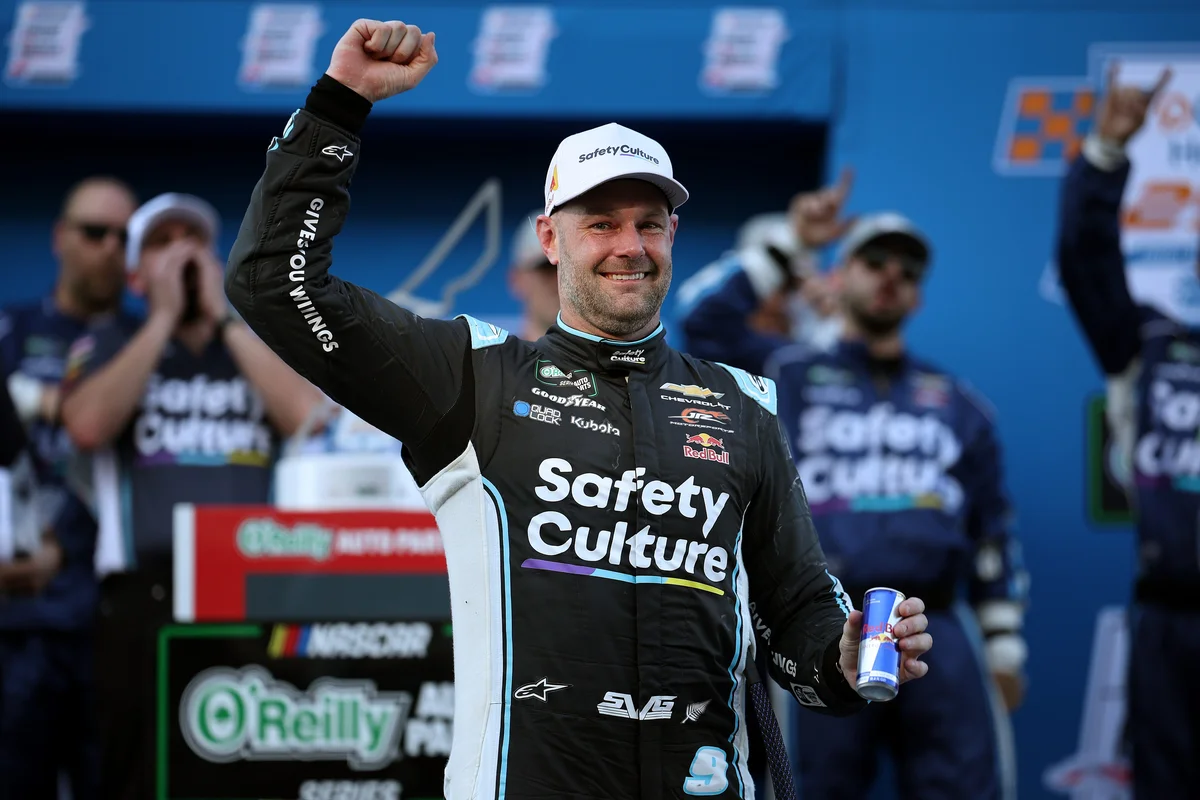
Shane van Gisbergen has identified the key distinction between NASCAR and Supercars after competing in both. The New Zealand driver, who earned fame with three Australian Supercars championships, began racing in NASCAR’s Xfinity Series in the United States in 2024 and quickly highlighted the mental challenges that set the two disciplines apart.
Mental Approach: The Primary Challenge in Moving from Supercars to NASCAR
Van Gisbergen, widely known as one of the top drivers in Australian Supercars, transitioned to NASCAR with a strong reputation as a multiple-time champion. Despite the geographic and competitive shifts from racing in Australia and New Zealand to the U.S., he quickly adapted, securing a win in his debut NASCAR race at a road course.
However, the former Supercars standout revealed that the most significant difference lies in the mental demands. On the Harvick’s Happy Hour Podcast, van Gisbergen explained that his mindset required a profound adjustment due to the frequency and pace of NASCAR events.
In Supercars, he recalled, a poor performance could haunt him for weeks as he processed the mistake and moved toward acceptance. In contrast, NASCAR’s schedule requires drivers to reset quickly from weekend to weekend, leaving little room for prolonged reflection or emotional setbacks.
I think the mindset is the biggest difference. When I have a bad weekend at home, it would eat me for weeks. Whereas here, I kind of let it happen for a day, and then you have to switch your mind back and reset so quickly. Because it’s every single weekend, and you have to keep that level head all year. Whereas at home, if you have a bad weekend, it just kills you.
? Shane van Gisbergen, Driver
Adaptation to NASCAR’s Environment and Oval Racing Focus
Beyond the mental shift, van Gisbergen noticed a unique camaraderie within the NASCAR garage. Unlike some racing series where intense rivalries dominate, he observed that NASCAR’s atmosphere felt more like an extended family, which helped ease his integration into the sport.
Although his road course expertise is widely acknowledged—with fellow competitor Kyle Larson recently conceding van Gisbergen’s superiority at these tracks—the driver continues to refine his oval racing skills, which remain a work in progress. Notably, Tyler Reddick managed to hold off van Gisbergen at the Circuit of the Americas (COTA) this season, demonstrating the competitive nature of NASCAR on diverse circuits.
With ongoing development in both his driving techniques and mental resilience, van Gisbergen is steadily building the complete portfolio needed to contend for the NASCAR Cup Series title. His rapid progress in a new racing environment has generated anticipation about his future impact.
What Van Gisbergen’s Transition Means for NASCAR and Supercars Fans
Shane van Gisbergen’s move highlights the demanding mental and physical adaptations drivers face when switching between high-profile racing disciplines. His experience underscores how mental fortitude is as critical as physical skill in NASCAR, especially given the sport’s tight schedule and need for swift recovery after setbacks.
The Trackhouse Racing driver’s success at road courses in NASCAR confirms his talent, while his persistent effort in mastering oval tracks signals the growing competitiveness of drivers crossing over internationally. This evolving dynamic may inspire more drivers in Supercars and other series to consider NASCAR careers, adding depth and diversity to American stock car racing.
As van Gisbergen continues his journey, his story offers an optimistic glimpse of how adaptability, mental toughness, and passion can lead to success across different motorsport arenas.
