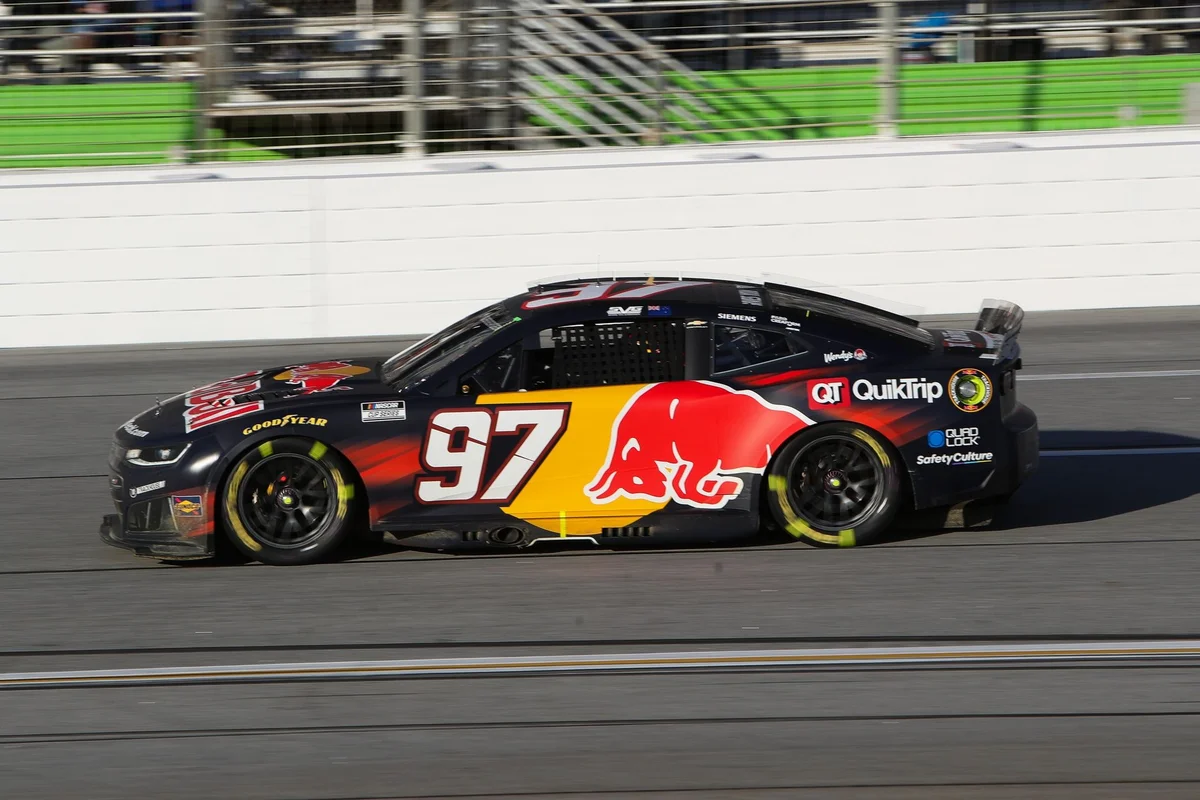
This weekend at the Circuit of the Americas (COTA) in Texas, competition intensifies as NASCAR teams aim to uncover the secret behind Shane van Gisbergen’s notable advantage on road courses. Van Gisbergen’s impressive skills on these tracks have caught the attention of drivers and teams alike, prompting focused efforts to close the gap.
Van Gisbergen’s Immediate Impact on NASCAR Road Racing
Shane van Gisbergen, the New Zealand driver, has rapidly emerged as the standout on NASCAR road courses since his arrival. Rather than gradually adapting, he announced his arrival with a commanding win in Chicago in 2023 and has consistently demonstrated that his success is no coincidence. Before transitioning to NASCAR full-time, van Gisbergen earned acclaim in Australia’s Supercars Championship, where road racing is a staple. This experience gave him a distinctive edge in areas such as braking techniques, tire conservation, and stamina during extended runs.
These skills have perfectly aligned with the dynamics of NASCAR’s Next Gen car, allowing van Gisbergen to dominate the road course events during his rookie Cup season. His five victories out of six road races highlighted a new benchmark in performance, one that his competitors are still striving to meet.
AJ Allmendinger, one of the drivers meticulously analyzing van Gisbergen’s approach, stated,
Image of: Shane Van Gisbergen
“I’ve studied everything I can study in car-wise and I’ll continually do it going into Circuit of the Americas.”
– AJ Allmendinger, NASCAR Driver
Many drivers believe that changes in the car setup—such as softer tires, lower downforce, and altered horsepower—have created conditions that perfectly suit van Gisbergen’s racing style. His ability to manage tires expertly stands out, as he avoids pushing beyond limits that cause premature tire wear.
Competitors Acknowledge the Challenge of Matching Van Gisbergen’s Speed
The growing frustration among racers is evident, with several openly admitting the difficulties in keeping pace with van Gisbergen. Tyler Reddick shared,
“It drives me nuts going to a road course and getting just dusted by Shane. So, we’ve been working really hard to work around our road course program, look at some things.”
– Tyler Reddick, NASCAR Driver
Reddick, who has enjoyed success on road courses including a win at COTA, acknowledges that maintaining van Gisbergen’s level over an entire stint remains elusive. Similarly, Christopher Bell highlighted the continuous effort involved in closing the gap, commenting,
“I think we play it week by week and race by race. We have been trying to improve, and I’ve been trying to drive the car a little bit differently at the road courses, so I think we certainly are putting effort into trying to be better.”
– Christopher Bell, NASCAR Driver
Although van Gisbergen did not win at COTA last season, his near-total dominance on other road courses sets a high bar that fuels both respect and determination within the garage. Teams understand that simply increasing speed will not suffice; a combination of strategic decisions and flawless execution is essential to overcome his dominance.
The Broader Significance of Van Gisbergen’s Road Course Proficiency
Van Gisbergen’s rapid ascent and consistent excellence on road courses have forced NASCAR teams to rethink their strategies and development priorities. His success underlines the growing importance of diversified skill sets in the Next Gen era, especially as tire and aerodynamic adjustments continue to influence race dynamics. With the NASCAR Cup Series moving through Texas this weekend, the spotlight on van Gisbergen intensifies, as rivals seek to decode the factors behind his remarkable edge.
As the season progresses, his performances are likely to shape how teams prepare for road courses, potentially prompting innovations in car setups and race tactics. The challenge remains: bridging the gap to Shane van Gisbergen will require more than raw speed—it demands a holistic approach combining data analysis, tire management, and strategic planning.