
Toprak Razgatlioglu is set to make his MotoGP debut this season, drawing significant attention due to his impressive track record in World Superbikes. However, as a rookie in the premier class, he faces the challenge of adapting to a new racing environment while handling what is expected to be one of the slowest bikes on the grid. Yamaha, the supplier for Razgatlioglu’s Pramac team, introduced a new V4 engine this year, but the manufacturer has acknowledged that further development will be necessary before competing with more established rivals.
Razgatlioglu’s Ambition to Match MotoGP Greats
Razgatlioglu aims to become the first rider to claim world championships in both World Superbikes and MotoGP. Achieving this goal will require overcoming legendary figures in the sport, particularly Marc Marquez, who remains one of the most successful MotoGP riders in history. The coming seasons will be pivotal for Razgatlioglu’s quest to establish himself at the very top of motorcycle racing.
Impact of MotoGP’s Tyre and Technical Changes
Looking ahead to 2027, MotoGP will undergo extensive regulation changes, including a shift from 1000cc to 850cc engines, a ban on ride-height devices, and tight restrictions on aerodynamic upgrades. Yet, Ducati’s general manager Luigi Dall’Igna stresses that the tyre manufacturer switch from Michelin to Pirelli will be the most significant alteration in the sport’s landscape:
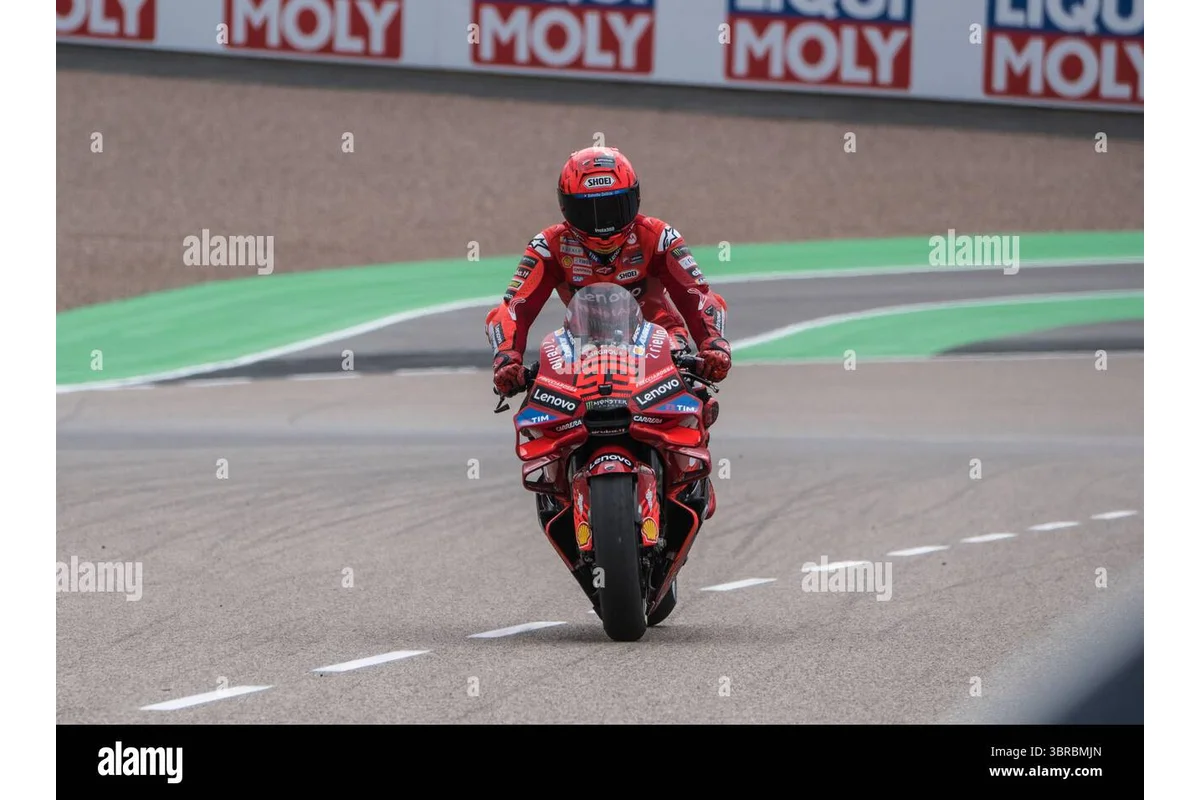
“There’s a significant difference with the new manufacturer.”
?Luigi Dall’Igna, Ducati General Manager
Moreover, Dall’Igna views the reduction in outright motorcycle speed as a positive development to improve safety, noting that recent years pushed circuits to their limits.
Razgatlioglu’s Experience with Pirelli as a Competitive Advantage
Having raced extensively on Pirelli tyres during his World Superbikes career, Razgatlioglu is expected to possess an inherent advantage over MotoGP veterans like Marquez, who may be less familiar with the new tyre supplier. In an effort to leverage this knowledge, Ducati has enlisted Nicolo Bulega, Razgatlioglu’s former rival, to their test team due to his own Pirelli expertise.
Yamaha’s Prospects and Rival Teams’ Challenges
Despite Yamaha’s current transitional phase, Dall’Igna remains cautiously optimistic about their 2026 performance. Reflecting on last season, he highlighted the impressive moments delivered by Fabio Quartararo, who secured five pole positions and was on track to break Yamaha’s recent victory drought before a mechanical failure at the British Grand Prix.
Ducati’s technical director, Davide Barana, has expressed concerns about Honda’s development progress. Honda, along with Aprilia and KTM, have been placed in a concessions category that limits their ability to develop the bike further, whereas Yamaha remains exempt from these restrictions, granting them greater freedom to evolve their machinery at the start of the V4 engine era.
What Lies Ahead for Razgatlioglu and MotoGP
As Razgatlioglu embarks on his rookie MotoGP season, his familiarity with Pirelli tyres may provide a unique edge against seasoned riders such as Marquez. However, competing on a Yamaha bike that is still maturing means he must quickly adapt to remain competitive. The forthcoming regulatory changes set for 2027 will reshape the sport, potentially leveling the playing field and testing the adaptability of all riders and teams. How Razgatlioglu navigates these challenges will be crucial for his goals of MotoGP success and cementing his place among the sport’s elite.
