
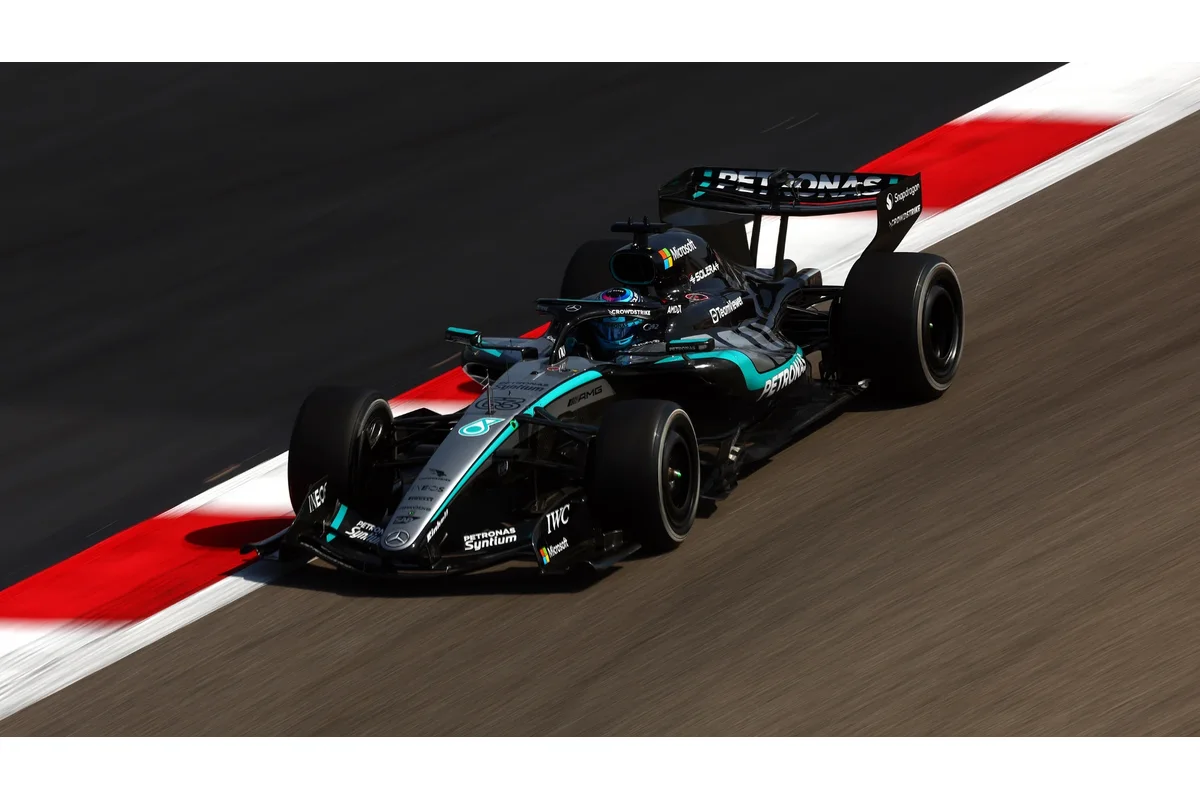
The 2024 Formula 1 season has introduced a new set of regulations that have significantly altered the cars’ chassis and power units, impacting how drivers manage races. The chassis is now shorter and includes simplified front and rear wings aimed at making cars easier to drive and encouraging more overtaking. However, the new power units contain larger batteries, splitting power delivery approximately 50-50 between the battery and internal combustion engine. This shift demands drivers adopt new strategies, balancing performance with energy management to avoid draining battery power prematurely during overtakes.
Challenges with Battery Management Affect Track Performance
With the increase in battery size under the new regulations, drivers need to manage their energy carefully, especially on low-downforce tracks like Monza. Drivers are required to lift off the throttle and coast into corners to conserve battery life, which will cause certain race segments to resemble fuel economy runs rather than all-out speed contests. Tracks featuring higher downforce requirements, such as Monaco and the Hungaroring, will be less affected by these limitations due to their naturally slower speeds and tighter turns.
Criticism from Top Drivers Over New Technical Rules
Several leading drivers have expressed dissatisfaction with the current regulations. Seven-time world champion Lewis Hamilton described the cars as overly complex, joking that a degree might be needed to understand their operation. Hamilton also voiced concerns that the new cars could be as slow as Formula 2 vehicles, highlighting worries about reduced excitement in racing.
Max Verstappen, the reigning world champion, shared his reservations as well. Despite Red Bull-Ford’s competitive performance in pre-season testing, Verstappen likened the new cars to “Formula E on steroids” and stated they are “not fun to drive.” He also questioned the direction of the regulations, expressing frustration over the need to manage the battery more than focus on pure racing.
Winning car for me doesn’t matter, it needs to be fun to drive as well at this stage of my career,
said Verstappen to the media. “I am also exploring other things outside of Formula 1 to have fun at.” – Max Verstappen, World Champion
Verstappen acknowledged that these regulations will remain in place for some time, limiting potential changes in the near future. He further explained that the car’s proportions are acceptable, but the overall package undermines the spirit of racing.
I know where stuck with these regulations for quite a while, so yeah, let’s see. The proportion of the car looks good; that’s not the problem. It’s just everything else, which, for me, is anti-racing. Probably people will not be happy with me saying this right now, but I am outspoken, and why am I not allowed to say what I think about my race car?
On the power unit, Verstappen expressed his thoughts on the design process:
I didn’t write the regulations. If it was up to non-political aspects of making a regulations, the engine would have looked very different but that’s how it is.
Verstappen’s Potential Venture into Nürburgring 24 Hours
While the possibility of managing battery usage throughout an F1 season appears daunting to Verstappen, he may find satisfaction competing in endurance racing at the Nürburgring 24 Hours. In May 2025, Verstappen participated in a track day at the Nürburgring disguised as “Franz Hermann,” piloting a Ferrari 296 GT3 and demonstrating impressive pace. His cover was soon uncovered, drawing thousands of fans eager to see the four-time world champion before he returned to Formula 1 to win the Emilia Romagna Grand Prix at Imola.
Later that year, Verstappen secured his permit to race GT3 cars on the Nordschleife and claimed victory at the Barbarossapreis alongside Chris Lulham. Speculation grew about his participation in the May 14-17 Nürburgring 24 Hours, although his Formula 1 commitments and potential technical challenges with the new Ford power unit made his involvement uncertain.
Thanks to Toto Wolff’s lobbying efforts, the first qualifying race was rescheduled by the NLS, improving Verstappen’s chance to compete in the endurance event.
I mean, looking at it now, at least, maybe you can drive flat out there without looking after my battery!
joked Verstappen. “I mean, I want to do it, we are working on it, to make it happen, but I can’t confirm it yet.” – Max Verstappen
He emphasized the importance of preparation, stating that despite his racing experience, he still needs time to adapt to endurance racing’s specific demands and procedures, including pitstops and driver changes.
For me, just doing a pitstop and a driver change, I normally don’t do that, so all these little things I just want to prepare well to potentially participate in the 24 Hours.
– Max Verstappen
The Broader Impact of Formula 1’s New Rules on the Sport
The recent Formula 1 new regulations impact both car design and driver tactics significantly, stirring debate among drivers and fans alike about the future of racing excitement. While these changes aim to promote closer competition and overtaking, the increased focus on battery management threatens to slow the pace and alter racing strategies fundamentally. Verstappen’s voiced struggles highlight a growing tension between regulatory decisions and driver satisfaction, which may influence how fans perceive the sport going forward.
Verstappen’s possible participation in the Nürburgring 24 Hours further illustrates his search for new challenges outside traditional Formula 1 seasons, suggesting that top drivers may increasingly look for alternative racing opportunities as they navigate evolving Formula 1 conditions. The coming months will reveal how these new regulations settle into the sport and how drivers like Verstappen adapt or reevaluate their careers under such constraints.
