
In the competitive realm of Formula 1 racing, horsepower directly correlates to speed and performance. For the 2025 season, an F1 car’s peak power output is approximately 1,000 horsepower (745 kW). Unlike typical road cars, where a single combustion engine delivers a fixed horsepower figure, an F1 car’s power fluctuates dynamically, combining a meticulously optimized internal combustion engine with an advanced hybrid electric system.
This power varies based on how the driver manages the electrical energy stored in the car’s battery. Most of the lap depends on the internal combustion engine providing the baseline power, while the hybrid system boosts the total output to near 1,000 horsepower for about 33 seconds each lap, enabling speeds above 220 mph (354 km/h).
Detailed Specifications of the 2025 Power Unit
Understanding this remarkable horsepower requires a close look at the Formula 1 Power Unit, an integrated system replacing the traditional concept of an engine. Regulations in 2025 mandate a 1.6-liter V6 turbocharged hybrid configuration that not only burns fuel but also recovers otherwise wasted energy.
The internal combustion engine (ICE) is a compact 1.6-liter V6, sharing displacement size with common vehicles like the Ford Fiesta or Honda Civic, yet it operates at an extraordinary 15,000 revolutions per minute (RPM) ceiling. This engine alone delivers between 830 and 850 brake horsepower, achieving world-class thermal efficiency by converting over half of the fuel’s energy into mechanical power—far surpassing the 30-35% efficiency typical of standard car engines.
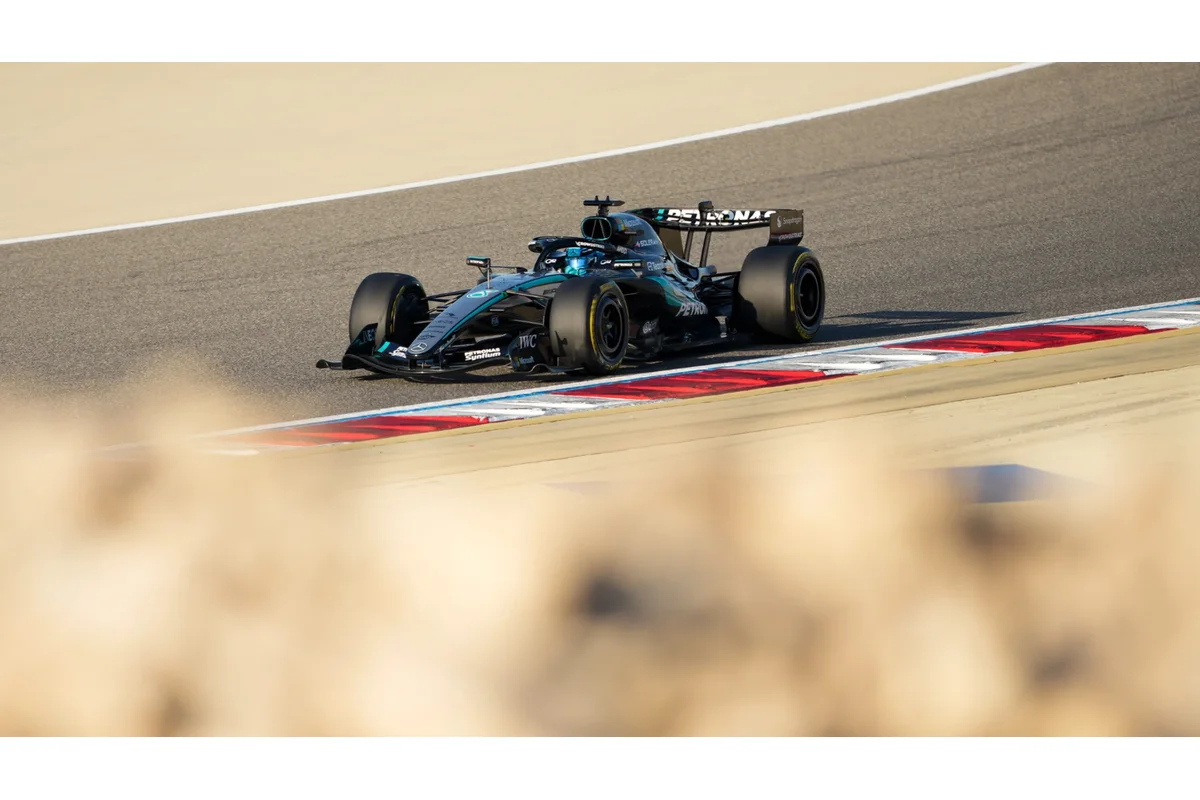
Critical to performance is the Energy Recovery System (ERS), composed of two electric motor-generator units designed to both recharge batteries and smooth out power delivery. The first, the MGU-K (Motor Generator Unit-Kinetic), attaches to the crankshaft and captures kinetic energy during braking. It can redeploy up to 161 horsepower (120 kW), significantly boosting acceleration during critical race moments.
The second, the MGU-H (Motor Generator Unit-Heat), remained in use through the 2025 season but will be banned moving forward. Positioned on the turbocharger shaft, it harvested heat from exhaust gases to energize the turbocharger, eliminating lag and maintaining high speed over the race distance. Because its energy recovery wasn’t capped, this unit was pivotal in sustaining peak performance.
Comparing Power Delivery in Race and Qualifying Conditions
The often-cited 1,000 horsepower is a peak figure rather than a constant output. Managing the blend of combustion and electric power is a strategic challenge that transforms each race into a tactical battle between drivers and engineers. Throughout a lap, the combustion engine runs continuously, while the electric MGU-K boost is carefully regulated.
Drivers can deploy a maximum of 4 megajoules of battery energy to the MGU-K per lap, approximately a 33-second burst of full electric power. After this allocation is used, the vehicle relies solely on combustion horsepower until the battery regenerates via braking or exhaust energy. Previously, teams employed aggressive “party modes” in qualifying, pushing engines beyond typical limits for maximum power, but current rules enforce engine mode consistency between qualifying and the race.
Still, drivers retain tools such as the “Overtake” button on the steering wheel, which allows instant deployment of the full 160 horsepower electric boost. This function is critical in defending positions or overtaking rivals on straights, underscoring the complex energy management that defines modern F1 racing.
Tracing the Development of Formula 1 Engine Power Through the Years
Formula 1’s journey toward 1,000 horsepower is marked by evolving engine designs and regulations. During the V10 era from 1989 to 2005, cars featured naturally aspirated 3.0-liter engines delivering 800 to 950 horsepower, climbing to nearly 20,000 RPM. This period is renowned for the distinct, powerful sound of these engines but was accompanied by high fuel consumption.
The subsequent V8 era (2006-2013) featured 2.4-liter engines, as mandated by the FIA to curb costs and limit speeds. Power dropped to roughly 750 horsepower, but this era introduced kinetic energy recovery systems (KERS) starting in 2009, embedding hybrid technology into Formula 1’s future.
Since the Turbo-Hybrid era began in 2014, although initial power figures were lower, rapid engineering advancements pushed teams past the 1,000 horsepower threshold by 2019. This progress highlighted the importance of efficient hybrid systems over mere engine size, emphasizing smarter power delivery to achieve peak performance.
Formula 1 Power Compared to Other Motorsports
Placing Formula 1’s horsepower into context with other elite motorsport series reveals its dominant performance. IndyCar engines, employing 2.2-liter twin-turbo V6 units, generate around 700 to 750 horsepower, trailing F1 figures notably. In endurance racing, the World Endurance Championship (WEC) Hypercars are regulated to about 670 brake horsepower to encourage fair competition throughout long 24-hour races.
NASCAR Cup Series cars produce over 850 horsepower from V8 engines, but regulatory restrictions typically limit this to approximately 670 horsepower at many circuits for safety. Despite this, even with equal power, an F1 vehicle’s lightweight carbon fiber chassis (weighing roughly 798 kilograms) and advanced aerodynamics make it significantly quicker through corners than stock cars, which suffer from heavier builds and limited downforce.
Upcoming Changes in Engine Regulations for 2026
Looking forward, Formula 1 anticipates a major overhaul in engine regulations scheduled for 2026, aiming to sustain the excitement of 1,000 horsepower cars while prioritizing environmental sustainability. These new Power Units will shift the balance of power sources to meet stricter fuel flow limits and sustainability goals.
The combustion engine’s output will decrease to about 535 horsepower (400 kW) due to reduced fuel allowances. To compensate, the electric motor’s contribution will nearly triple, increasing from 160 horsepower to approximately 470 horsepower (350 kW). This new near-even split between combustion and electric power will make the hybrid system far more influential in the car’s overall performance.
The regulation changes also mandate the removal of the MGU-H system to simplify the engine architecture. Additionally, all cars will use 100% sustainable fuels, ensuring Formula 1 adapts to global environmental concerns while maintaining its reputation for cutting-edge technology and thrilling speed.
