
The Australian GP, traditionally held under the bright daylight of Albert Park, has long been a beloved season opener filled with fans enjoying the afternoon sun against Melbourne‘s scenic backdrop. However, this cherished timing has created a challenge for global viewers, with many forced to tune in during inconvenient early morning or late-night hours. To address this, Christian Horner, former Red Bull team principal, proposed switching the Australian GP to a night race starting early in 2026, aiming to provide better global accessibility and harness the dramatic appeal of nighttime motorsport.
“I think Melbourne at night would be faster, and it would be great for the world to see it,”
Horner said.
“In Europe, certainly, it would be at a better TV time. Night races have a cool vibe to them, and I think Melbourne should give it a go. If they don’t like it, they can always go back.”
?Christian Horner, Former Red Bull Team Principal
The Unique Atmosphere of Racing After Dark
<pAs dusk falls over Albert Park, the circuit transforms. Powerful floodlights illuminate the track, turning it into a luminous stage where F1 cars explode through the darkness, their colorful liveries and glowing brake discs creating a spectacle unmatched by daytime racing. The iconic Melbourne skyline, including landmarks like Federation Square and the Yarra River, becomes a radiant backdrop, enhancing the race’s visual allure and shifting the atmosphere from a casual afternoon to an electrifying nighttime festival.
Night races are not untested territory for Formula 1. The Singapore Grand Prix regularly captivates audiences with its neon-lit cityscape and dramatic visuals, proving that evening events can heighten excitement and viewership. A night race in Melbourne promises to capture a similar magic, enriched by Australia’s warmer evenings and the intimate lakeside environment that uniquely defines Albert Park.
Global Viewership and Local Benefits
Scheduling the race at 8 p.m. local time means a more viewer-friendly start in Europe, increasing engagement in F1’s traditional heartlands. This change could enhance live television ratings, boost sponsorship interest, and deepen global fan connection. For local Australian fans, often forced to stay awake late for other Grand Prix time slots, a night race would encourage a more social, family-friendly experience. It would offer a true night out, with attendees enjoying entertainment, hospitality, and community gatherings under the stars.
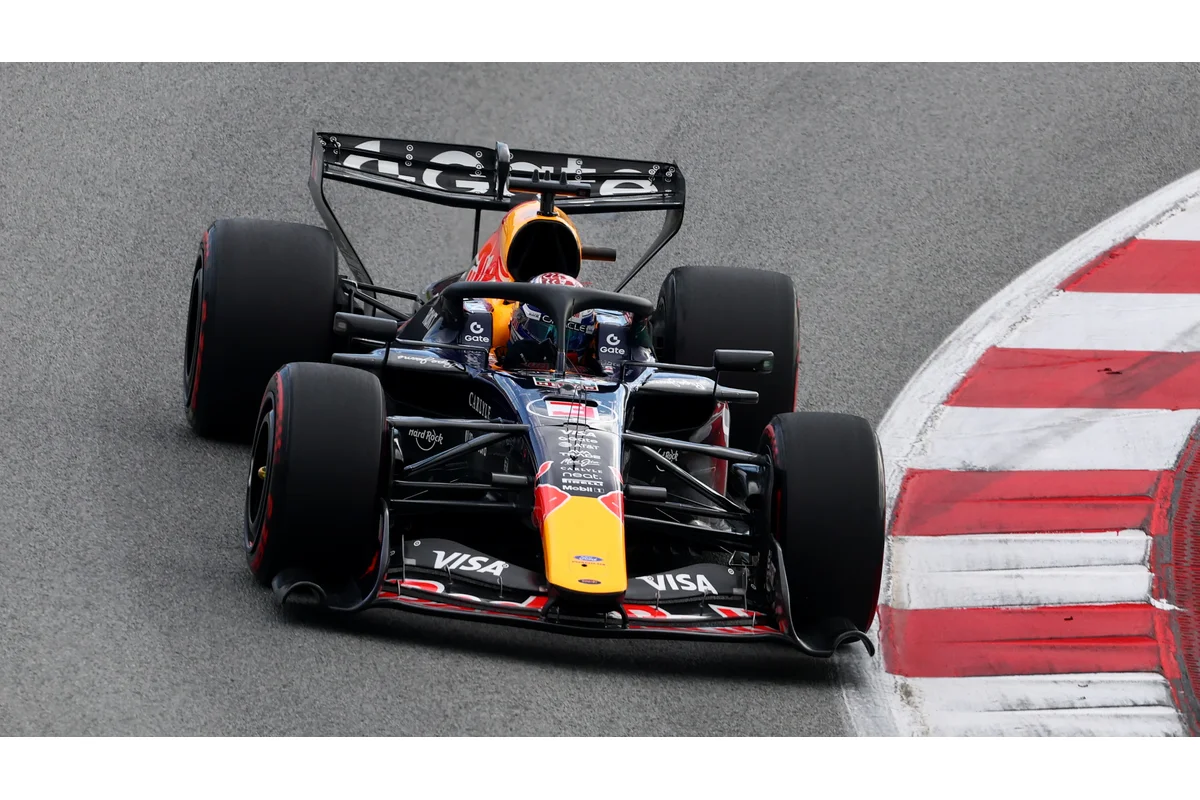
The dramatic lighting also contributes to the cars’ appearance, adding a sleek, modern edge to the sport’s image that entices new audiences. Cooler night temperatures may improve engine performance and tire durability, potentially influencing race strategy and car behavior in exciting ways. The striking visuals of cars racing beneath the bright Melbourne skyline would likely generate viral moments, drawing fresh attention to the sport worldwide.
Environmental Concerns and Mitigation Efforts
Transitioning to nighttime racing has raised environmental concerns among Melbourne’s environmentally conscious groups. Critics warn of potential disruptions to local wildlife, including insects, bats, possums, and migratory birds, due to light pollution from the floodlights. These groups have historically voiced worries over the GP’s impact on the park’s natural state.
However, many of these concerns have counterpoints. The event is limited to a few days annually, after which Albert Park quickly returns to its quiet, natural condition. Modern LED floodlights, already used successfully in long-standing night races like Singapore, offer highly directional, energy-efficient illumination that reduces glare, light spill, and energy consumption by significant margins. Melbourne’s existing evening lighting during current races and Formula 1’s growing commitment to sustainability—through carbon tracking, waste management, and renewable energy usage—underscore ongoing efforts to balance the sport with environmental responsibility.
A nighttime race could also serve as a platform for showcasing sustainable innovations and may even help lessen carbon footprints by increasing remote viewership and reducing the need for long-distance travel by international fans. While the ecological footprint of added light cannot be ignored, these impacts are temporary and manageable when weighed against the broader economic and cultural benefits to Melbourne and the sport worldwide.
Support and Caution Among Stakeholders
Australian GP CEO Travis Auld emphasizes the beauty and success of the current daytime format, highlighting how well it showcases Melbourne to local and international audiences. Nonetheless, there is openness to experimentation, with contractual agreements ensuring the race will remain in Melbourne at least through 2037. This provides a window for a trial night race without permanently discarding the traditional schedule should unforeseen problems arise.
The prospect of a night-time Australian GP opens the door to a fresh chapter in Formula 1’s evolution. If the transition succeeds, it would set a precedent for innovating race schedules that prioritize global fan experiences and modern spectacle while maintaining respect for local heritage and environmental constraints.
Reimagining Melbourne’s Place in Formula 1 History
As evening descends and floodlights ignite, the excitement around Albert Park would intensify, turning the circuit into a dynamic arena resonating with amplified energy and anticipation from an enlivened crowd. The potential for wheel-to-wheel racing under the stars promises memorable moments framed by a glowing city skyline. The spectacle would extend beyond traditional daylight imagery to an iconic, vibrant vision of Melbourne as a night-time playground for the world’s most thrilling motorsport.
The Australian Grand Prix’s identity, marked by its distinctive flair and community spirit, would not be lost but rather enhanced by this evolution. Holding the race at night offers a fresh way for global audiences to connect with Melbourne and its rich racing culture at a time that better suits viewers worldwide.
It is an opportunity to “hit the switch,” welcoming Formula 1 fans around the world to experience the excitement of Albert Park in a dazzling new light. The transformation could mark a turning point for the sport, with Melbourne perfectly positioned to lead Formula 1 into a new era of thrilling night racing.
