
The 2026 Formula 1 season is already shaping up to be a thrilling battle after the latest pre-season shakedown took place in Barcelona from January 26 to 30, showcasing teams adapting to major regulatory changes. Simplified aerodynamics, sustainable power units, and tighter racing rules have set the stage for a potentially unpredictable championship, with early signs positioning George Russell as a leading contender among the drivers.
Mercedes Shows Commanding Form Amidst Regulation Shifts
Mercedes, known for expertly navigating former regulation overhauls, emerged from testing as a dominant force. The team completed an impressive 502 laps during the closed-door event, conducting qualifying and race simulations with a level of precision reminiscent of their 2014 turbo-hybrid success. George Russell clocked the second-fastest time at 1:16.445, demonstrating impressive composure and skill under pressure, bolstering his status as a title contender. His teammate, Kimi Antonelli, an emerging Italian talent, recorded the fastest lap on the second day, suggesting a strong one-two threat for Mercedes this season.
The team managed to avoid any crashes or significant mechanical problems, accumulating over 2,300 kilometers of running, equivalent to a round trip between Brackley and Barcelona, underscoring their reliability and preparation.
Ferrari’s Steady Performance Highlights Potential Despite Uncertainty
Ferrari delivered a solid if cautious performance with the introduction of their Spec-A car, focusing on reliability rather than outright speed. Lewis Hamilton, in his debut season with the Scuderia, set the fastest lap of the week with a 1:16.3 on the final day, edging out Russell by 0.097 seconds despite track conditions favoring later runs. Charles Leclerc contributed consistently, but internal changes—such as Hamilton’s race engineer reassignment—have introduced a degree of uncertainty within the team.
Ferrari’s deployment of pushrod suspension and successful completion of over 400 laps without mechanical issues suggest they remain competitive. However, many insiders are watching closely to see if future upgrades can unlock the car’s hidden potential, which may be pivotal in challenging Mercedes and others.
Red Bull Navigates Transition with Mixed Results
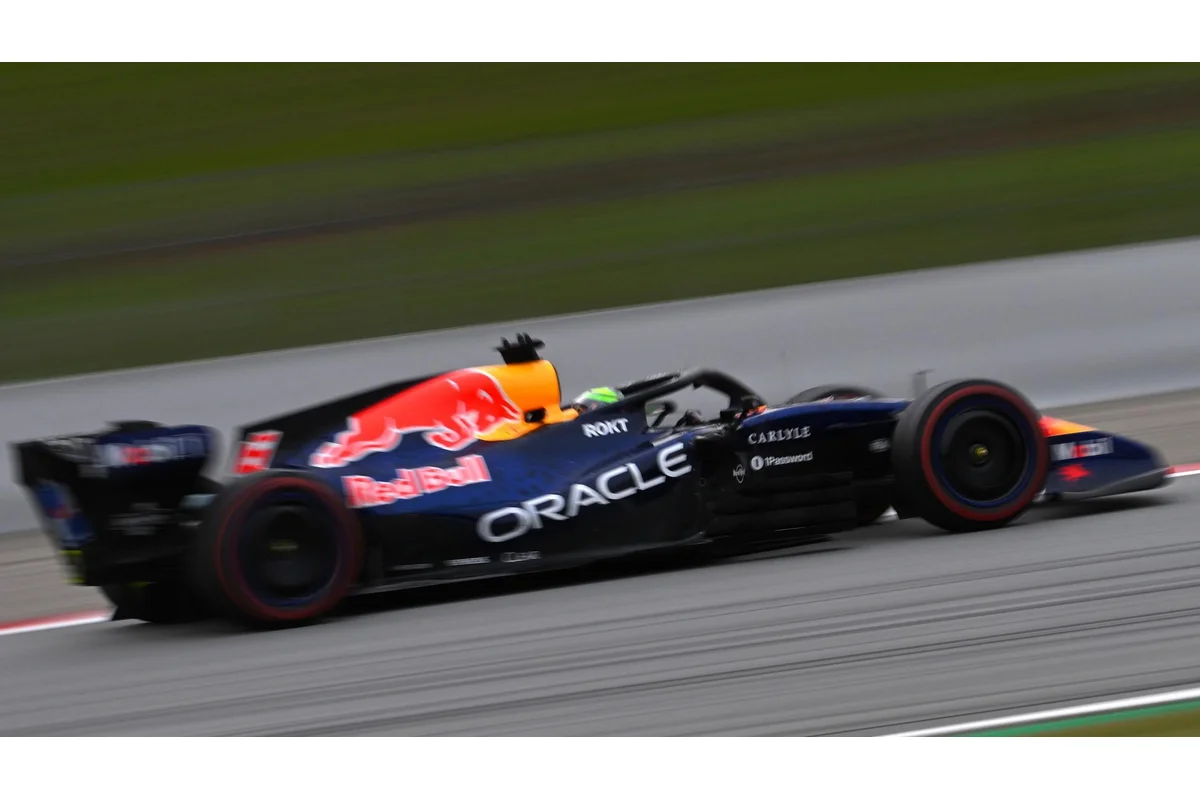
Red Bull is in the midst of a significant transition period following management changes, including the departure of Christian Horner and designer Adrian Newey. The team and their sister outfit, Racing Bulls, completed a total of 622 laps using their new power unit, the Red Bull-Ford DM01, co-developed with Ford and benefiting from rumored regulatory allowances for higher compression ratios.
While Max Verstappen, the four-time world champion, completed a full day of running, rookie Isack Hadjar suffered an early crash that damaged rear suspension components, requiring replacement parts to be flown in. Hadjar’s strong performance on day one, topping the timesheets, contrasted with Red Bull’s ongoing internal shake-up and integration of new talent, making the team a wildcard for the season rather than a sure favorite.
McLaren Emphasizes Speed but Faces Challenges
The defending champions, McLaren, rounded out the top tier with Lando Norris registering the third-fastest time at 1:16.554. Despite flashes of competitive pace, the team endured setbacks such as a delayed run for Oscar Piastri caused by a fuel system issue. Lingering tensions between drivers from the previous season add further complexity to their preparations. Norris, fresh from his first championship title, remains a key figure to watch as McLaren adjusts to the new regulations and seeks to maintain momentum.
Test Statistics Reveal Reliability and Strategy Across the Grid
The five-day test provided valuable data, revealing team strategies and mechanical durability as critical factors. Teams like Williams missed the testing phase entirely due to delays linked to their car’s development, while Aston Martin, with technical contributions from Adrian Newey and Honda power units, could pose surprises thanks to Fernando Alonso’s determination. Similarly, Haas targets a potential mid-pack breakthrough as the grid tightens under the new rules.
Bookmakers and Experts Identify Leading Championship Contenders
Following the Barcelona test, prediction markets have refined their odds reflecting team and driver performances. George Russell leads the drivers’ betting at 26-32% probability on platforms such as Polymarket and BetMGM, supported by Mercedes’ anticipated power unit advantage and Russell’s consistent 2025 results. Verstappen follows closely, with odds between 22-28%, underscoring his proven championship pedigree despite Red Bull’s transitional phase.
Lando Norris occupies third place in the forecasts at 11-22%, benefiting from McLaren’s recent competitiveness. Other notable outsiders include Oscar Piastri (7-14%), Fernando Alonso (7-11%), and Kimi Antonelli (6-9%). Meanwhile, Ferrari’s Hamilton and Leclerc trail behind with 2-4% odds, reflecting lingering questions about their season consistency.
On the constructors’ front, Mercedes and McLaren are joint favorites, each at +150, with Red Bull trailing at +300 and Ferrari further behind at +600, according to BetMGM. Analysts perceive Mercedes as composed leaders, Cadillac as underdog challengers, and Williams confronting development struggles after missing testing. Aston Martin’s blend of engineering talent and driver grit keeps them in the conversation, while Haas aims to capitalize on mid-field opportunities.
What Lies Ahead as the Season Approaches
With the official pre-season testing set for February 11 in Bahrain, the grid looks more compact and competitive than ever. The battle between George Russell’s promising Mercedes squad and Max Verstappen’s resilient Red Bull outfit promises intense drama. One expert summarized the early pacing as,
Early running is Mercedes (potentially by a lot), then Ferrari and Red Bull.
?X, Formula 1 Pundit
As teams continue to uncover the secrets hidden in their power units and aerodynamic packages, and with fresh data guiding strategic decisions, the unpredictability of the 2026 Formula 1 championship remains its most compelling feature.
