
Alex Bowman, driver of the No. 48 Chevrolet for Hendrick Motorsports, recently spoke about his experiences preparing for the 2026 Daytona 500. During media day, Bowman shared insights about his initial feel in the car, acknowledging that the qualifying setup was more aggressive than he had anticipated, yet he was eager to see how his performance would stack up.
Addressing the ongoing debate about the Daytona 500’s significance, Bowman affirmed that the race remains prestigious despite changes in racing style. He emphasized that the event’s history and pageantry still hold strong importance for him personally, acknowledging the challenges in the current nature of speedway racing, particularly around fuel management.
Views on Daytona 500’s Status and Challenges in Racing
Bowman expressed that while the prestige of the Daytona 500 is intact, some aspects of the race could be improved. He mentioned the difficulty of driving conservatively during long stretches of the event when fuel-saving becomes the main focus, something many drivers find less thrilling. Despite these challenges, Bowman remains determined to secure a win, underscoring the race’s lasting significance.
On NASCAR’s recent rule change prohibiting drivers from placing their hands outside the window net, Bowman remarked on how his approach varies based on how the car handles. He appreciated that the new rule allows him to keep both hands on the wheel, adding that in previous years, engineers often instructed him on the precise hand positioning necessary depending on car characteristics.
Qualifying at Daytona Compared to Other Tracks
When discussing qualifying, Bowman noted that certain tracks like Atlanta tend to present more challenging conditions than Daytona, though the Daytona 500 qualifying session demands particularly optimized car setups. He noted that for drivers aiming for the pole, Daytona or Atlanta can be the more unpredictable and sketchy venues for qualifying, given the heightened risks involved.
Impact of New Points System on Racing Strategy
Bowman shared his thoughts on the new points system NASCAR introduced, praising it for rewarding consistency more than the previous format. He revealed that this system suits his team better and provides a clearer path to success. However, Bowman emphasized that his primary focus remains on winning races rather than just chasing points. Reflecting on the disappointment of last season’s end, he is determined to start strong and improve overall performance.
Regarding potential changes in race preparation due to the new system, Bowman explained that although the format will alter strategy for the second Daytona race—no longer a cutoff event—the upcoming Daytona 500 and Atlanta races will mostly remain unchanged in his approach. He intends to focus on scoring maximum points while maintaining a high level of execution.
Challenges Ahead: Chicago and the Next Gen Car
Looking beyond the superspeedways, Bowman discussed the challenges the Next Gen car presents at the Chicago racetrack, known for its complexity. He highlighted that the car’s characteristics will make the oval track even more difficult to master compared to previous vehicles. Still, Bowman welcomed the opportunity to tackle this demanding course again, recalling fond memories while acknowledging the long gap since his last visit.
Handling Final Laps and Race Dynamics at Superspeedways
Bowman described his mindset going into the final green flag laps after the last fuel stop in the third stage, which he identified as some of the most chaotic moments of the NASCAR season. Success depends heavily on track position, which is notoriously difficult to gain at Daytona and Talladega. He explained how driving strategy shifts according to where a driver sits in the pack—leading, mid-field, or trailing—and the importance of efficient pit stops and fuel conservation during this critical phase.
Perspective on Contract Year Pressure and Team Dynamics
Addressing the pressure of competing during a contract year, Bowman downplayed its significance. He remarked that every year feels like a contract year in the racing world, and his focus remains on working hard and racing well regardless of contractual circumstances.
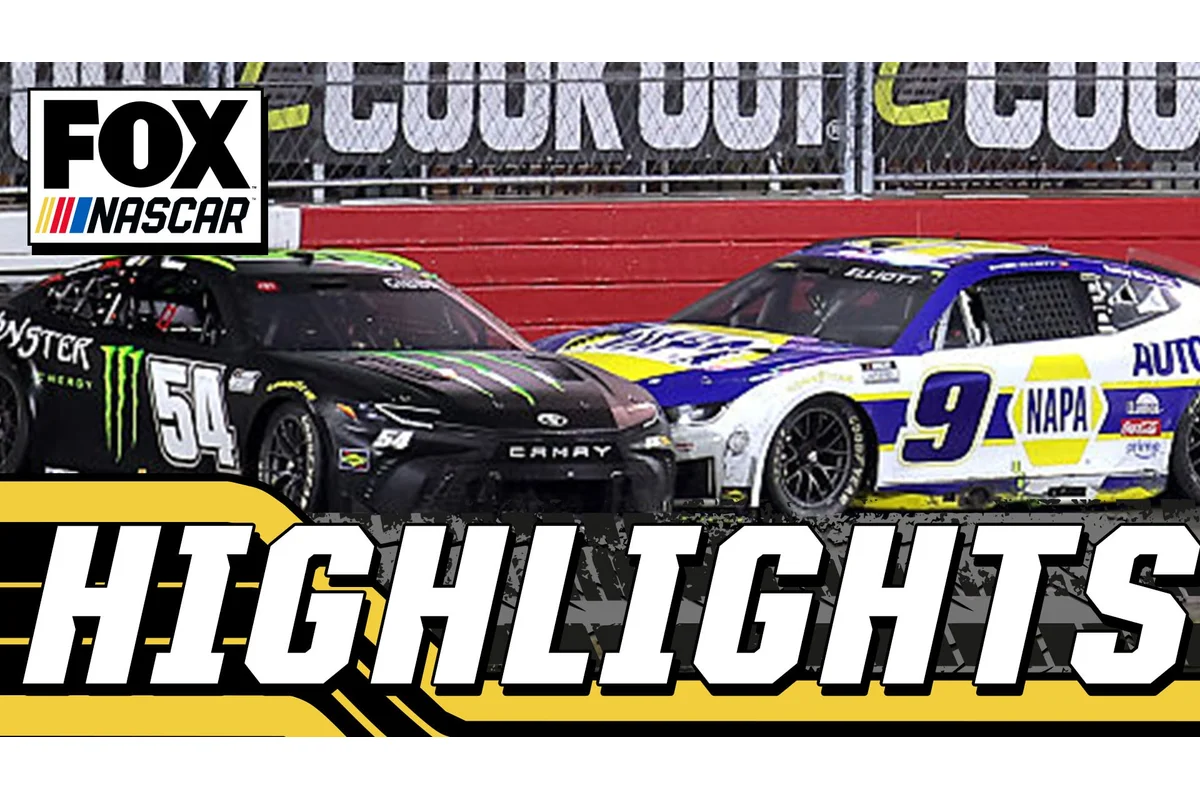
Bowman also reflected on a memorable moment when he gave teammate Chase Elliott a strong push into the final corner at Atlanta, which ultimately led to Elliott’s victory. He acknowledged that similar moves are far less feasible at Daytona due to differences in racing style and track characteristics. Bowman contrasted the more dynamic runs at Atlanta with the line-focused, tightly packed racing typically seen at superspeedways in the Next Gen era.
The Enduring Importance of the Daytona 500 in NASCAR
Despite ongoing changes in race dynamics and car design, Alex Bowman’s comments reinforce that the Daytona 500 continues to hold a unique place in NASCAR’s calendar. The race’s history and stature remain critical to drivers and fans alike, even as they navigate the challenges posed by contemporary speedway racing. Bowman’s determination to win his first Daytona 500 and adapt successfully to evolving racing conditions signifies his commitment to both personal achievement and the sport’s legacy.
