
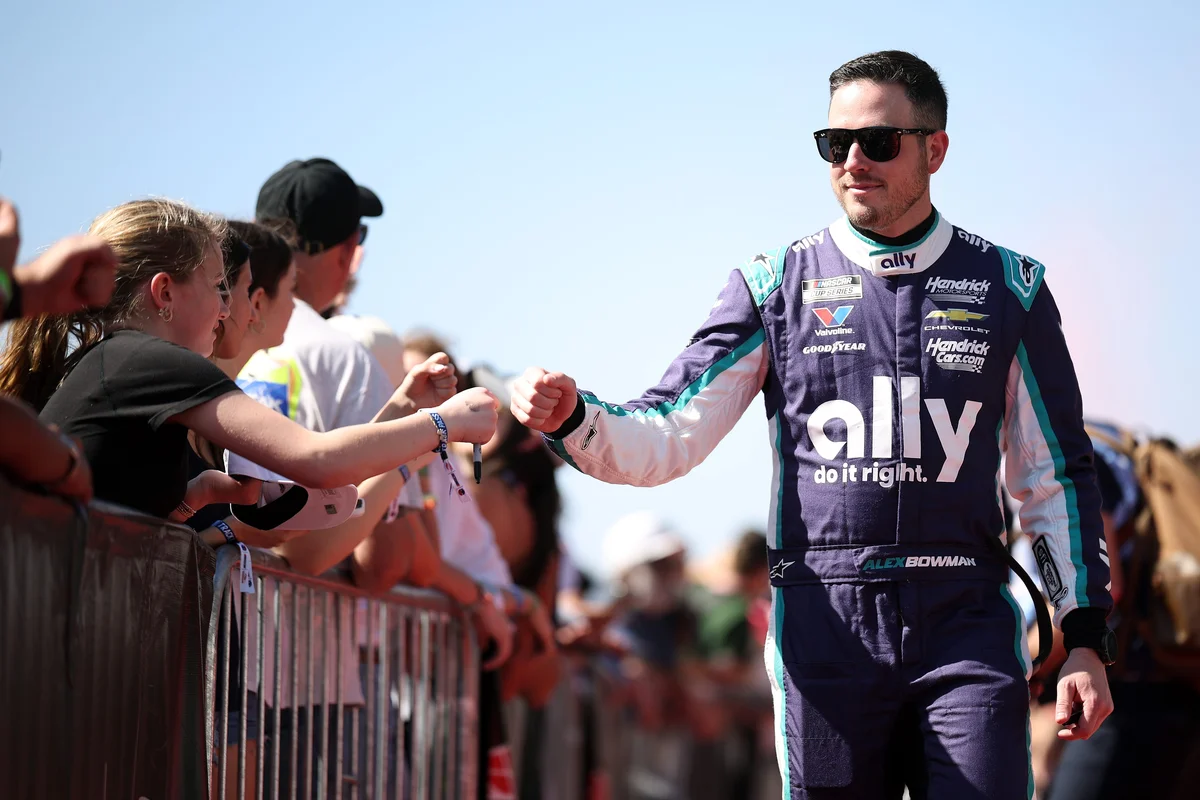
On March 1, 2026, during the NASCAR Cup Series event at Circuit of the Americas (COTA) in Austin, Texas, soaring temperatures created intense challenges for drivers. With air temperatures reaching between 81 and 85 degrees and track temperatures hitting 109 degrees at the start, the heat severely impacted the race. This extreme heat, combined with multiple cooling suit malfunctions, turned racecars into pressure cookers. Alex Bowman’s participation ended abruptly when he was unable to cope with the conditions, leading to a rare mid-race driver substitution.
Drivers Struggle with Heat-Related Issues During the Event
Alongside Bowman, drivers Kyle Larson, AJ Allmendinger, and Ryan Preece reported symptoms of heat exhaustion. Unlike the others, Bowman could not continue in the No. 48 car and was taken to the infield care center for treatment. Hendrick Motorsports reacted by inserting Myatt Snider, who had been at the venue working as a media spotter, to finish the remaining laps. However, the switch was complicated by NASCAR’s driver approval process, which took approximately 15 minutes before Snider was cleared to compete.
Approval Process for Snider’s Unexpected Race Entry
NASCAR’s authorization of Snider’s entry in a Cup race was a rare exception driven by Bowman’s sudden exit. Although Snider held a current license for the O’Reilly Auto Parts Series and had experience across several racing series — including 11 ARCA Menards Series starts with one win, plus 13 starts in the 2019 NASCAR Euro Series on road courses — stepping into a Cup car mid-race is unusual. NASCAR managing director of communications Mike Forde explained that Snider’s limited seat time was not a barrier in this instance due to the nature of the track and the emergency circumstances.
Track Type and NASCAR’s Criteria for Driver Eligibility
Forde highlighted the importance of the track in NASCAR’s approval decisions, stating,
“
If this was anywhere but COTA or Martinsville or maybe even Phoenix, he probably would not be qualified to run. If this was Darlington or Homestead, certainly Daytona or Talladega, we would probably would have had to tell Hendrick Motorsports that they needed to find someone else.
”
In other words, NASCAR’s approval hierarchy begins with road courses and short tracks before progressing to intermediates and superspeedways, with stricter qualifications at larger, higher-speed venues.
Impact on Other Drivers and Race Outcome
While Bowman’s episode gained attention, Hendrick Motorsports’ Kyle Larson managed to complete the race by relying heavily on hydration to combat the heat. AJ Allmendinger experienced visible distress on live broadcast when his car’s cooling system failed, forcing hot air into his cockpit and leading to his removal from the car on a gurney and transportation from pit road to the care center. These incidents underscored the severity of the conditions faced by drivers throughout the race.
Significance of Bowman’s Exit and Snider’s Substitution
Bowman’s mid-race withdrawal at COTA and Snider’s subsequent insertion represent an uncommon occurrence in NASCAR’s top tier, demonstrating how extreme environmental factors can directly alter race dynamics. This situation also highlighted NASCAR’s flexible but cautious approach to driver eligibility under extraordinary conditions. Going forward, teams and officials may need to prepare for similar contingencies during events held in extreme climates, affecting driver safety protocols and race strategies.
