
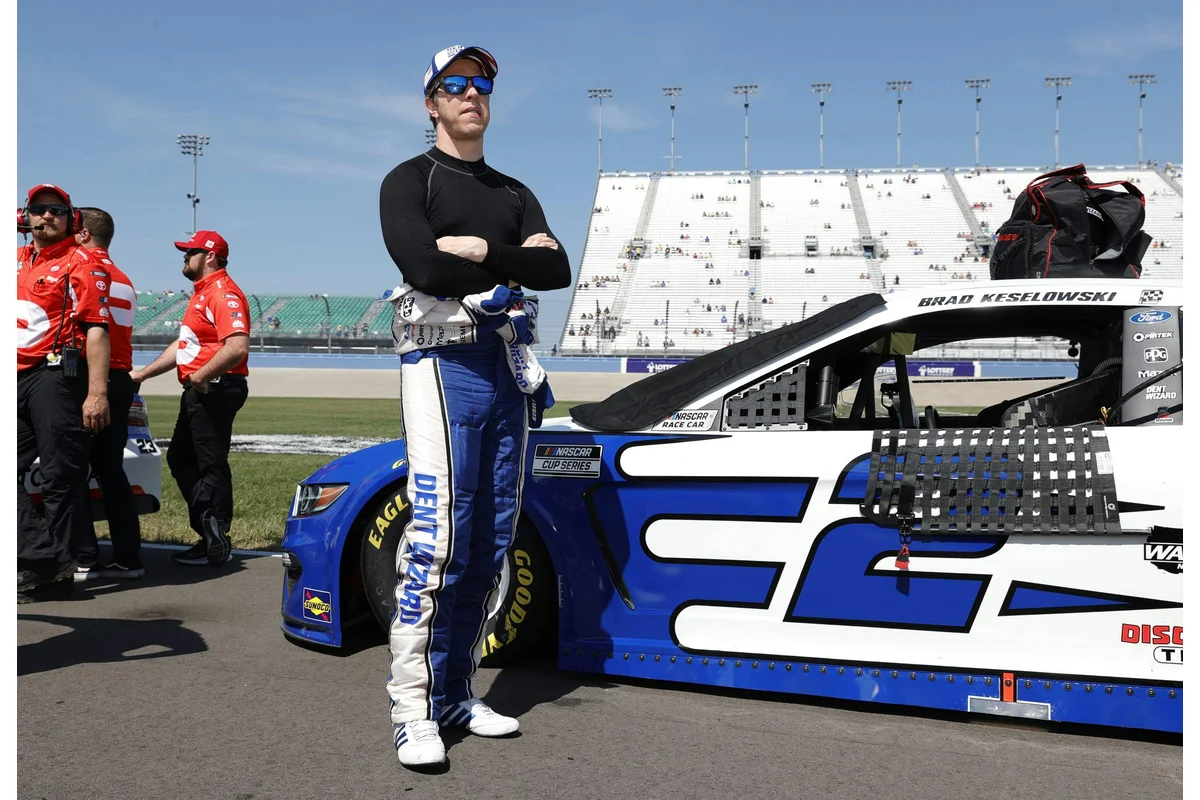
In NASCAR Cup Series competition, managing intense cockpit heat is essential for driver performance. Brad Keselowski emphasized that although driver preference influences whether a cool suit is worn, RFK Racing relies heavily on detailed technical assessments conducted by its engineering team to guarantee the system’s effectiveness. This process allows drivers to decide on using the cooling equipment, but only after engineers confirm the suit’s readiness for race conditions.
Keselowski discussed the team’s approach during an interview with Bob Pockrass ahead of a NASCAR event at Phoenix Raceway. The cooling suits, sometimes called cool shirts, operate by pumping chilled water through tubing embedded within the driver’s fire suit to combat temperatures that can exceed 100 degrees inside the cockpit during extended green-flag segments.
Engineering Oversight Balances Driver Comfort and System Safety
Keselowski explained that RFK Racing’s engineers play a critical role in evaluating the cool suit systems before race day. While the drivers and teams have autonomy over cool suit use, the engineering staff ensures everything functions properly to prevent malfunctions, which could drive heated water through the suit instead of cold. This review helps mitigate dangers from possible system failures.
Our group and the teams have a certain level of autonomy,
Keselowski said.
But you still need the engineering support behind it to make sure everything works the way it should.
Cool suit mechanisms depend on pumps, hoses, and cooling units circulating chilled water; if any component fails, it can compromise the driver’s safety by either shutting down cooling or causing heat to be circulated. RFK Racing’s protocol mandates an engineering check to verify proper function before drivers use the system in competition.
Cooling System Failure at Circuit of the Americas Highlights Risks
The critical need for careful inspections became clear during the 2025 NASCAR Cup Series race at Circuit of the Americas, where Keselowski’s cooling system encountered a malfunction. Instead of chilled water, the system pumped hot water through his suit, raising cockpit temperatures dramatically and creating an exhausting physical challenge.
Despite this, Keselowski completed the race in 15th place. Afterward, he required IV fluids at the infield care center before his release. This incident prompted RFK Racing to intensely review its cooling equipment.
These systems are designed to fail safe,
Keselowski noted.
But when they fail, it can be pretty devastating.
Cooling Challenges Extend Across NASCAR Teams
Keselowski observed that problems with cool suits are not unique to RFK Racing, as several drivers across the NASCAR garage have reported similar difficulties during races held in extreme heat. These issues underscore the technological limits of current cooling solutions amid demanding race environments.
Every now and then, those things are going to happen. It’s unfortunate when it happens to anyone, not just our team.
As stock car racing continues to confront high-temperature challenges, teams and equipment manufacturers remain in pursuit of innovations to bolster the reliability of cooling systems.
There are things being worked on for all the different teams,
Keselowski said.
It’s just one of the nuances of current racing.
RFK Racing’s Strategy Focuses on Driver Choice and System Reliability
With the NASCAR schedule increasingly featuring races in hotter climates, efficient heat management continues to be a priority across teams. RFK Racing maintains a straightforward approach: drivers can opt to wear a cool suit, but engineers must first verify the system’s operational status before the race begins.
This careful balance between driver preference and technical oversight aims to maximize driver safety and comfort while minimizing the risk of cooling system failures during competition.
And Brad Keselowski on what he tells his teams and drivers about the decision to use cool shirts. @NASCARONFOX pic.twitter.com/UUZKJ1Fl2d
— Bob Pockrass (@bobpockrass) March 8, 2026
