
Carlos Sainz expressed strong frustration with the race strategy imposed on him during the 2025 Monaco Grand Prix, where he finished 10th. The Williams driver was required to slow down intentionally to help his teammate Alex Albon secure a top-10 finish, a tactic that left him visibly displeased. This situation arose as teams adapted to the FIA’s introduction of mandatory two pit stops, aiming to inject more excitement into the race but instead leading to cautious maneuvers prioritizing position preservation.
Teams, including Williams and Racing Bulls, chose to implement strategies that involved slowing certain drivers to maintain advantageous gaps and avoid losing positions during pit changes. For example, Racing Bulls had Liam Lawson deliberately reduce speed to benefit his teammate Isack Hadjar’s pit stop strategy. Williams adopted a similar approach: after Sainz passed Albon for 9th, he slowed down significantly to keep a suitable distance before settling back to 10th, ensuring both drivers scored points.
Despite the beneficial outcome for team points, Sainz made no secret of his dislike for this approach.
“I hated it to death, going 3s slower than my pace, but since Lawson did it to us and put us P19 and P20 on the race prediction, we had to do it too. Either we create a rule so it’s forbidden or all the teams will do it shamelessly in Monaco,” Sainz said (via @itsnotme_ari/X).
The strategy proved effective for Williams as Albon finished ninth while Sainz took tenth. Meanwhile, Racing Bulls enjoyed strong results with Hadjar placing sixth and Lawson eighth. However, the race itself was marked by a noticeable lack of overtaking, with Lando Norris leading from pole position to secure victory. Charles Leclerc crossed second, followed by Oscar Piastri in third. Max Verstappen, a key title contender, dropped to fourth after delaying his second pit stop until the final lap.
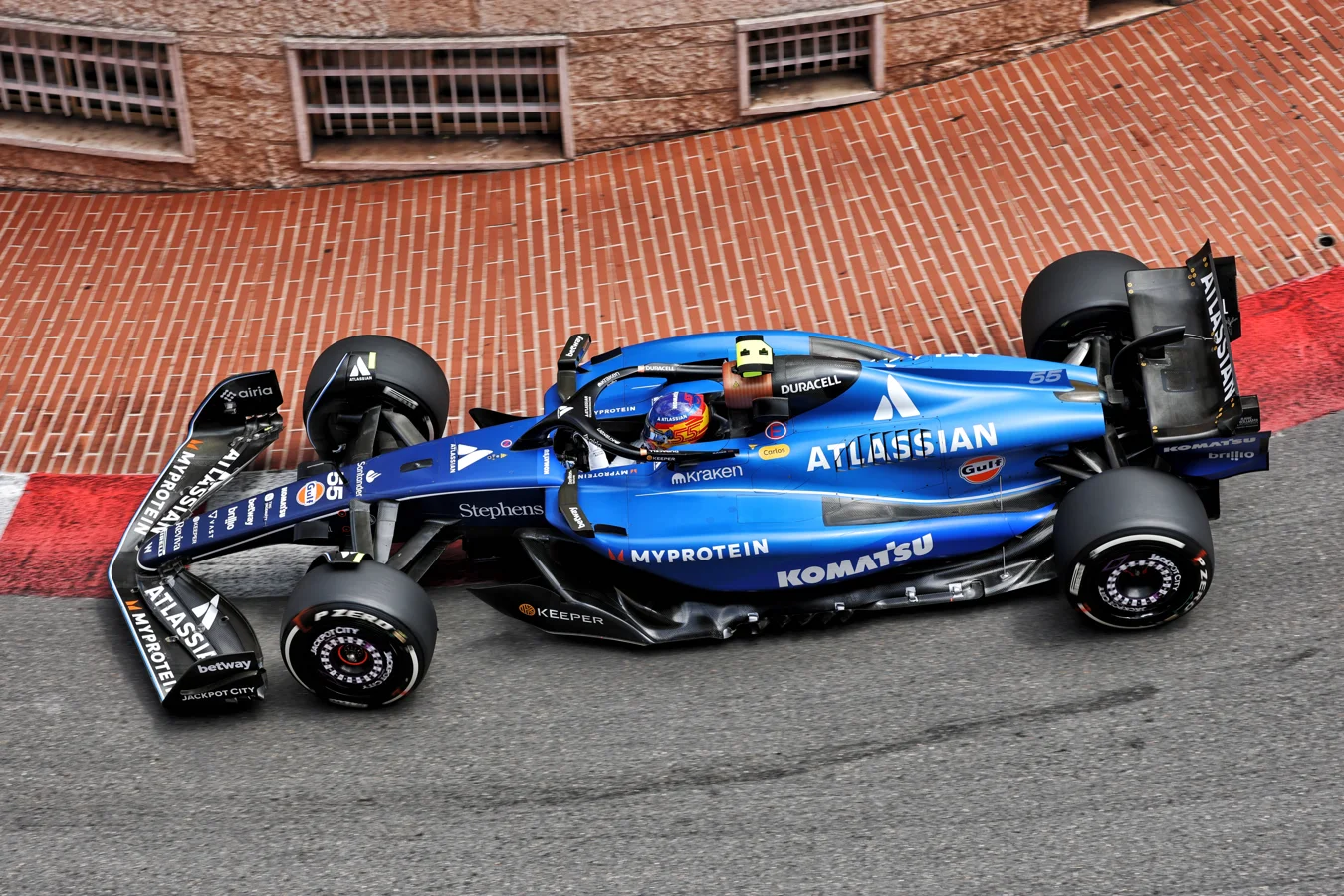
Alex Albon echoes frustrations over race tactics at Monaco
Following Sainz’s remarks, teammate Alex Albon also spoke out about the unsatisfying nature of the slow driving strategy employed by Williams, which was inspired by Racing Bulls’ earlier tactics. Albon acknowledged the tactical necessity but admitted it conflicted with their preferred style of racing.
“Today isn’t how either Carlos or I want to go racing; it’s not pretty, but, in the end, it was a tactical game, and we had to make it work. The Racing Bulls did it first, and we knew if they started it, we had to match it. Realistically we lost the race on Saturday, and you pay the price here; you start where you finish, and that was it. The weekend was a bit disappointing, as it feels like we didn’t maximize what we could have, but we’ve still come away with three good points for the team, and we’ll just keep chipping away at it.”
Albon currently sits eighth in the drivers‘ championship with 42 points, while Sainz holds twelfth place with 12 points after the Monaco round.
Monaco GP’s slow race pace and strategic impact on the championship
The enforceable two pit stops rule introduced at Monaco was intended to increase action during the race. Instead, it resulted in teams adopting defensive tactics that slowed overall pace and minimized overtaking chances. This was evident in the final standings where most drivers retained their starting grid positions, reinforcing the circuit’s reputation for limited passing opportunities.
Lando Norris’s win from pole, Charles Leclerc’s runner-up finish, and Oscar Piastri’s podium demonstrated the limited positional changes that took place. Verstappen’s late pit stop illustrated a rare attempt to shake positions, but it only yielded a fourth-place finish.
Carlos Sainz’s criticism highlights a growing concern among drivers about strategies that undermine competitive racing. His call for FIA to intervene and restrict slowing tactics reflects wider frustration with how teams prioritize maintaining track position over aggressive racing, especially on tight circuits like Monaco.
As the season continues, how the FIA adjusts regulations to balance strategy and racing excitement could significantly influence driver approaches and fan engagement in future events.
