
Carlos Sainz, the Ferrari driver and GPDA director, has voiced strong concerns about the new energy management rules set to take effect in the 2026 Formula 1 season. His criticisms highlight growing unease within the sport over how these drastic regulatory changes could disrupt the balance and excitement of racing, urging the FIA and Formula One Management to reconsider the stringency of the proposed regulations.
The 2026 technical changes mandate a 50-50 power split between internal combustion engines and electric batteries, with battery power surging to 350 kW, nearly triple the 120 kW allowed in 2025. This major shift requires drivers to rethink how they manage their energy output during races, stirring debate across teams and drivers. Max Verstappen, the reigning World Champion, has already labeled the rules “anti-racing,” comparing the new format to an amplified version of Formula E.
Circuit-Specific Challenges with Energy Deployment
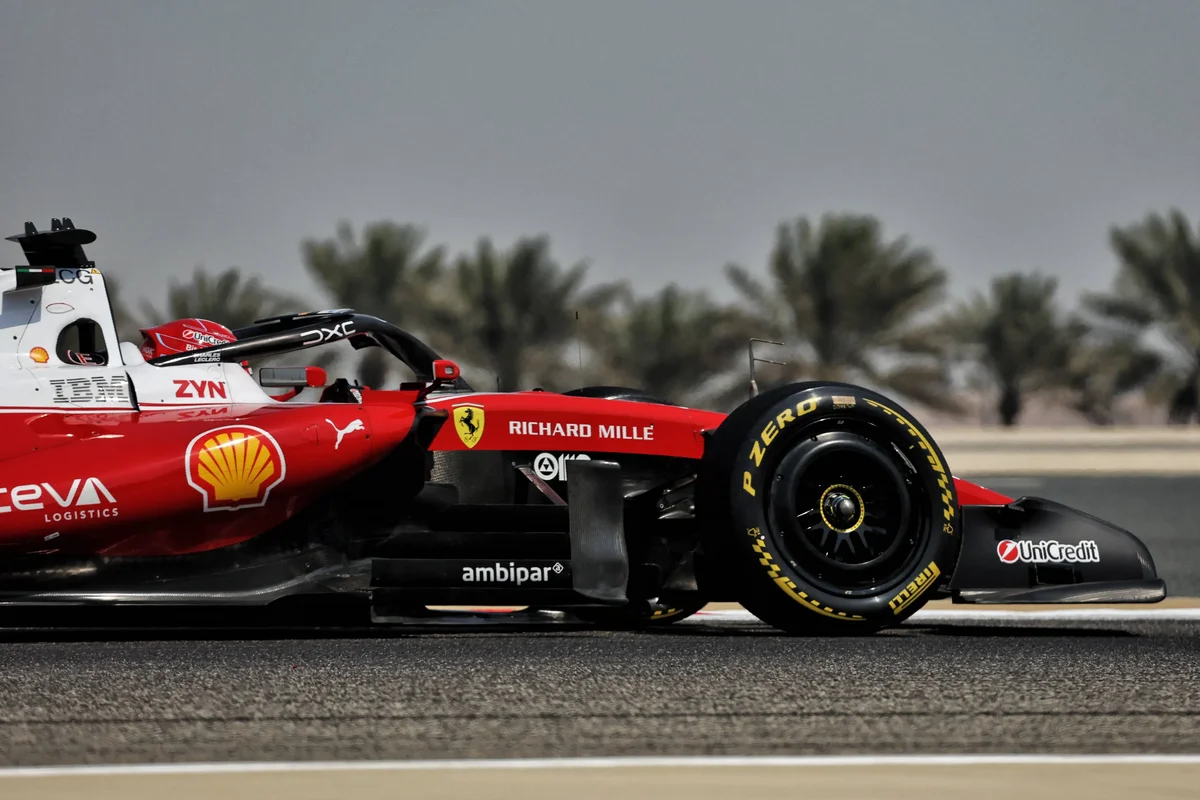
Sainz has highlighted that certain tracks may find the new system more manageable than others due to differences in braking demands. For example, Bahrain’s circuit, with its heavy braking zones, can accommodate the energy harvesting requirements more easily. However, the Australian Grand Prix at Albert Park poses a tougher challenge because of its limited heavy braking areas, complicating energy deployment strategies.
“Melbourne is going to be more challenging for sure,”
Sainz admitted, pointing to the track layout as a significant hurdle for managing the new battery power rules effectively.
Urgent Appeal to FIA for Regulatory Adjustments
In an interview with RacingNews365 and other media outlets, Sainz urged the FIA and Formula One Management to maintain an open mind regarding the energy regulations, suggesting that the current rules might be excessive in their demands on energy harvesting and deployment. He emphasized the need for potential fine-tuning before the new season begins.
“At the start of the year, we need to stay open-minded in case the regulations we’ve come up with are maybe too exaggerated on the amount of harvesting and deployment we do on a lap,”
Sainz explained, stressing that these adjustments are crucial to preserving the sport’s competitive nature.
Concerns Over the Unpredictability of Regulation Impact
Sainz further elaborated on the uncertainty surrounding these regulations, acknowledging how drastically car designs and performances are evolving, making it difficult to foresee how teams will cope with the increased energy management demands.
“I think we might need to adjust the regulations a bit… it is not easy because it is such a big change.”
This candid admission underlines the scale of transformation the sport is facing with this energy shift.
The Stakes for Formula 1’s Future and Racing Integrity
With the 2026 season approaching rapidly, Sainz’s statement makes clear that the excitement and quality of Formula 1 racing depend heavily on flexible regulation. The pressure is on the governing bodies to ensure that these ambitious sustainability goals do not detract from the sport’s fundamental appeal.
“My only ask would be to stay open in case we need to fine-tune or adjust to make the category and the show even better,”
Sainz insisted, presenting his call as a plea to safeguard fans’ enjoyment and preserve intense competition.
As teams gear up for testing, including the upcoming session in Bahrain, the pivotal question remains whether Formula 1 will heed Sainz’s urgent warnings to recalibrate its approach to the Carlos Sainz energy rules. The decisions made now could shape the sport’s balance between innovation, sustainability, and spectacle for the foreseeable future.
