
Charles Leclerc begins the 2026 Formula 1 season facing a radically altered landscape with new chassis and engine rules that have transformed the sport’s competitive dynamics. The Ferrari driver is navigating these changes amid heightened strategic complexity, as evolving regulations emphasize energy management and innovative driving tactics, reshaping the core of racing.
The Tactical Complexity of 2026 Racing Machines
The latest generation of Formula 1 cars brings lifting-and-coasting techniques and stringent energy conservation to the forefront, prompting mixed reactions from drivers. Max Verstappen, the current champion, has criticized these aspects, labeling the cars as “anti-racing” and likening them to a hypercharged version of Formula E. Leclerc himself concedes, “It’s not the funniest car,” acknowledging that while the speed remains exhilarating, the need for constant mental calculation changes how drivers experience the sport.
Adapting to Lighter, More Agile Cars
Despite the drawbacks, Leclerc finds positives in the reduced weight and loosened handling characteristics of his Ferrari. He remarks,
“The weight, you can definitely feel it,”
celebrating how the car’s enhanced responsiveness aligns with his instinctive, oversteering driving style. He adds,
“The car is a little bit more alive… you can go a bit more extreme with them,”
showing his appreciation for the mechanical shifts even as energy demands weigh heavily on race strategy.
Overtaking Becomes a Strategic Hurdle
One of the more frustrating aspects of the 2026 formula is the challenge of passing rivals on track. The transition away from the Drag Reduction System (DRS) toward Overtake Mode managed via the power unit has increased the complexity of overtakes significantly. Leclerc voices the difficulty plainly:
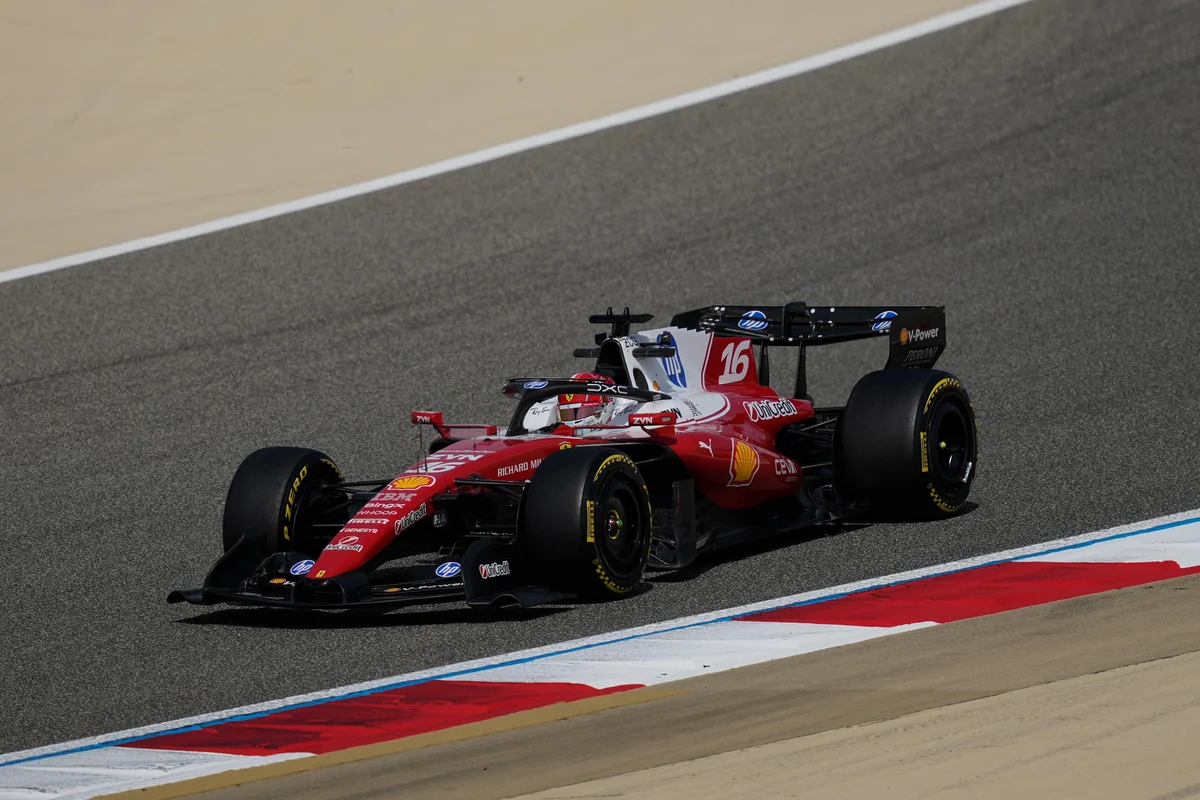
“I find it… extremely difficult to get any overtakes,”
highlighting how energy expenditure now imposes a high cost on each attempt to move ahead, reducing the spontaneity traditionally associated with wheel-to-wheel racing.
Anticipating a Turbulent Start to the Season
As the new season approaches, uncertainty looms, especially around race starts. The removal of the MGU-H from power units introduces variability in how drivers manage the launch phase, potentially leading to unexpected incidents. Leclerc concedes,
“You are a bit in your enemy’s hands,”
and warns,
“There might be some surprising things in the first start of the season,”
preparing for some chaotic moments at the outset of races.
The Future of Formula 1 Racing in a Transforming Era
The 2026 regulations aim to reset the competitive balance and technological framework of Formula 1, but whether this will enhance the spectacle remains unclear. The intricate interplay of energy management, tactical driving, and evolving car behaviour sets the stage for a season marked by both opportunity and challenge. Drivers like Charles Leclerc will be tested on their ability to master this complexity and thrive amid unpredictability, defining a critical chapter in F1 history.
As the grid adapts to this new reality, fans and teams alike watch with anticipation to see if the sport’s evolution will deliver the intense racing thrills that have long defined Formula 1 or if strategic constraints will temper the excitement that followers expect. The 2026 season promises to be a defining moment for drivers and manufacturers as they navigate an unprecedented era.
