
Although winning the Daytona 500 no longer guarantees a spot in the NASCAR playoffs, driver Chase Briscoe argues that this modification has actually heightened the race’s significance. The overhaul ahead of the 2026 season removed the automatic “win-and-you’re-in” rule, meaning a victory at the Daytona 500 no longer secures postseason advancement.
This adjustment follows NASCAR’s decision to bring back the Chase playoff format, altering how drivers approach both the race and their overall season strategy. Briscoe believes this shift intensifies the emotional stakes on race day because the traditional safety net of a guaranteed playoff berth has been eliminated.
Briscoe Details How New Format Alters Drivers’ Mindset at Daytona
In the past, drivers who missed out on a strong finish at the Daytona 500 could maintain confidence for the rest of the season, knowing a playoff spot was still attainable. Briscoe explained that this mentality provided some buffer against early disappointment.
“In the years past, like if you were confident that you’re going to win a race, yeah, you want to win the Daytona 500. If you crashed out or whatever, you just kind of go on because you felt like you were still going to make playoffs.”
?Chase Briscoe, NASCAR driver
He feels that sense of reassurance is no longer present. Without the automatic playoff entry, the consequences of not performing well at Daytona become more severe, amplifying the pressure and frustration for drivers.
“But now you’re going to get out, that defeat is going to be even greater, I think, than ever before. Just knowing that, you didn’t get the points there or whatever. So I think it will change some stuff,”
?Chase Briscoe, NASCAR driver
Race’s Prestige Elevated Despite Loss of Playoff Incentive
Rather than diminishing the Daytona 500’s importance, Briscoe says the removal of the automatic playoff berth has restored its status as a pure race of prestige and honor. Winning now carries weight that is not tied to postseason advancement but stands alone as a crowning achievement.
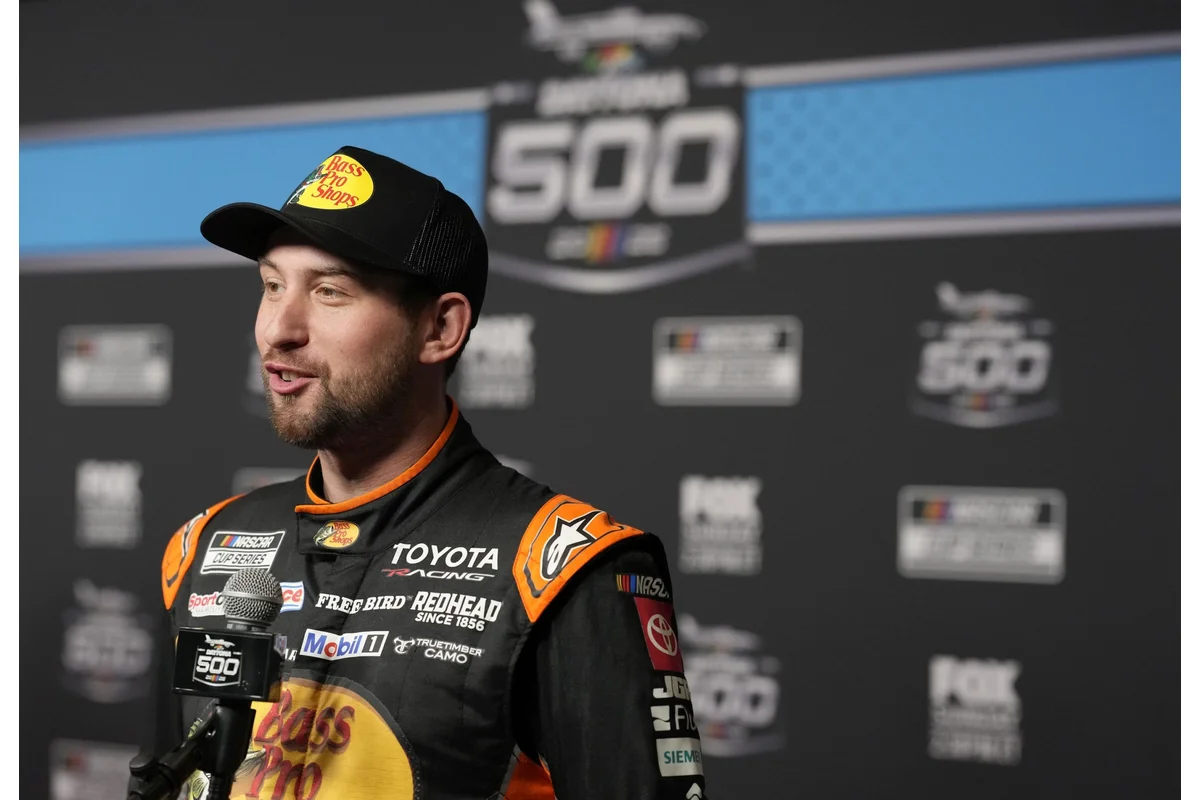
“You know, I think this race is still just as prestigious as it was before,”
Briscoe emphasized, adding,
“If anything, I think it makes it more prestigious because in the past, we’d be so-and-so eliminates Daytona 500 and they’re locked in the playoffs. Like, now it’s just the Daytona 500. So yeah, I definitely think that it kind of changes that feeling of you know, post-race for sure.”
?Chase Briscoe, NASCAR driver
Return of Chase Format Expected to Reduce Season-Ending Incident Risks
Briscoe also noted that the revival of the Chase playoff system might prevent situations where a single crash or mistake, like his own collision with Tyler Reddick at Bristol Dirt, can abruptly end playoff hopes. Under the previous system, one error could have major repercussions on a driver’s postseason chances.
By reintroducing this format, NASCAR aims to provide greater balance and reduce the impact of individual incidents on season outcomes, promoting a more consistent and competitive playoff field.
Daytona 500 Victory Now Focuses on Legacy Rather Than Playoff Security
For Briscoe, the current system refocuses the value of the Daytona 500 on its history and prestige rather than on automatically guaranteeing a spot in the playoffs. The race has regained its role as an independent test of skill and legacy within the sport.
As the 2026 NASCAR season unfolds, this shift may redefine how drivers and fans view the Great American Race, emphasizing pure racing glory over strategic playoff calculation.
Chase Briscoe believes that the Daytona 500 has always been prestigious, but he thinks it increases now that it's not a win-and-in situation.
He believes the return of The Chase will also prevent situations like when he spun himself and Tyler Reddick at Bristol Dirt. pic.twitter.com/n0TsYPZiXd— John Newby (@JohnNewby_) February 11, 2026
Chase Briscoe believes that the Daytona 500 has always been prestigious, but he thinks it increases now that it's not a win-and-in situation.
He believes the return of The Chase will also prevent situations like when he spun himself and Tyler Reddick at Bristol Dirt. pic.twitter.com/n0TsYPZiXd— John Newby (@JohnNewby_) February 11, 2026
