
After the second day of preseason testing in Bahrain, four-time Formula 1 champion Max Verstappen gave a stark assessment of the new 2026 F1 cars, expressing his frustrations over their handling. Former world champion Damon Hill responded succinctly on Instagram with a brief reaction to Verstappen’s comments about the upcoming generation of vehicles designed under revised FIA regulations.
The FIA introduced extensive changes for the 2026 season, including a revamped power unit, chassis design, and aerodynamic framework. Emphasizing electrification, the new rules require drivers to manage a greater contribution from electric motors while internal combustion engine output has been reduced. This hybrid setup demands precise energy deployment throughout the race.
In addition to the powertrain shifts, the cars themselves have become smaller and more responsive, featuring complex new systems like boost mode, overtake mode, and active aerodynamics. These technologies increase the complexity of driving and energy management, making the car’s operation significantly more technical for drivers on track.
Max Verstappen’s Honest View on the Complexity of New Formula 1 Cars
During the Bahrain test sessions, Verstappen explained his experience with the 2026 cars candidly. He noted that rather than enjoying the sensation of pushing the car to its limits, much of the driving now revolves around management of energy systems rather than pure speed.
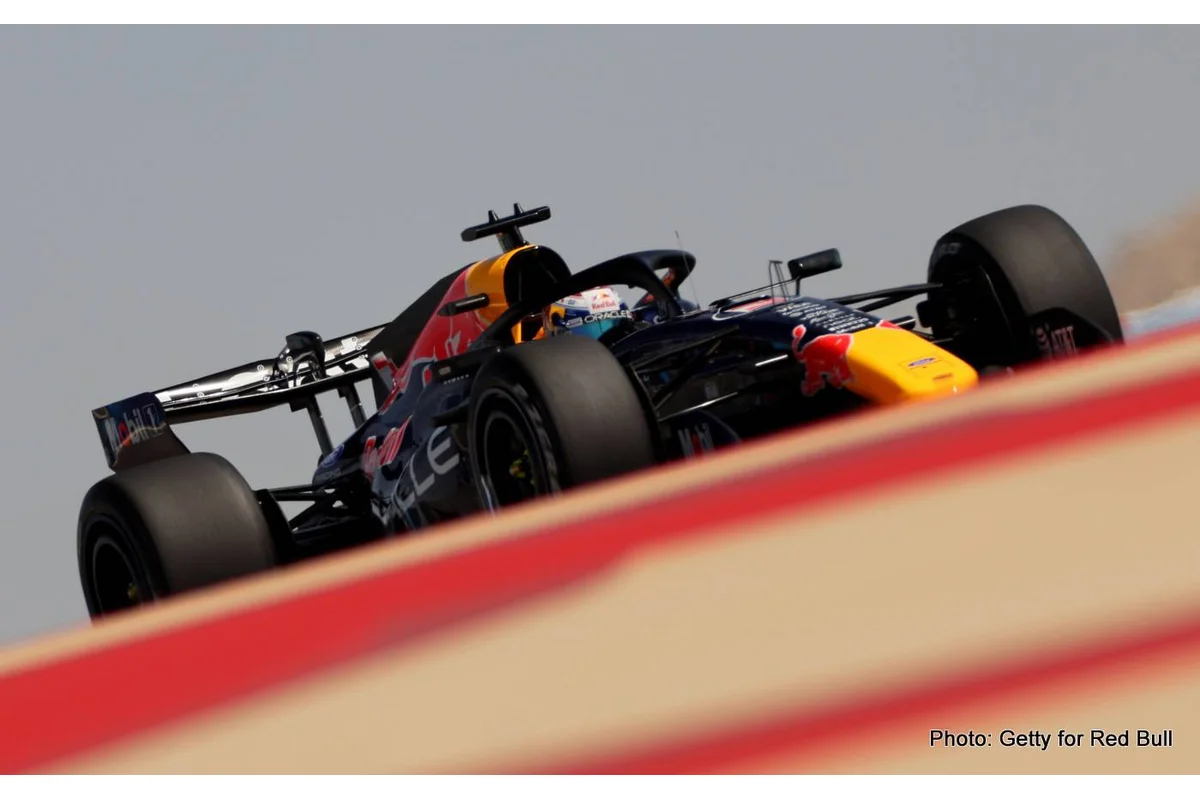
“Not a lot of fun, to be honest. I would say the right word is management. As a driver, the feeling is not very Formula 1-like. It feels a bit more like Formula E on steroids,” said Max Verstappen
“But as a pure driver, I enjoy driving flat out. And at the moment, you cannot drive like that. There’s a lot going on. A lot of what you do as a driver, in terms of inputs, has a massive effect on the energy side of things. For me, that’s just not Formula 1. Maybe it’s better to drive Formula E, right? Because that’s all about energy efficiency and management. That’s what they stand for,” he added
Verstappen’s remarks highlight the shift from traditional high-speed engagement to a more strategic approach focused on efficiency and electronic controls, which he feels diverges from the essence of Formula 1 driving.
Damon Hill’s Brief but Unambiguous Response via Social Media
Reacting to Verstappen’s critique, 1996 world champion Damon Hill posted a brief message on Instagram reflecting on the Dutch driver’s perspective. His comment was short and non-committal but conveyed a sense of shared concern.
“Dops. Not very positive. 😬”
Hill’s concise reply underscores the unease surrounding the regulatory changes, suggesting that the drivers’ adjusted role in managing energy systems rather than continually driving flat out is a significant departure from what fans and racers expect.
Different Perspectives on the Impact of Energy Management in F1
The new regulations introduce a strategic layer where drivers can influence race outcomes through energy conservation and deployment. While this allows skilled drivers to exercise control over these variables, it also limits the ability to push the car relentlessly, prompting debate about whether this style aligns with the traditional Formula 1 spirit.
Formula E CEO Responds to Verstappen’s Comments with an Invitation
Max Verstappen’s comparison of the new Formula 1 cars to “Formula E on steroids” attracted the attention of Formula E’s chief executive, Jeff Dodds. Welcoming Verstappen’s perspective, Dodds used the opportunity to invite the star driver to participate in the upcoming Jeddah E-Prix, emphasizing the natural connection between the two racing series due to their shared focus on electric power and energy management.
“I dropped Max a message yesterday to basically say, ‘you’re in Bahrain, I’m in Jeddah, if you fancy coming here instead, I’ll come and get you.’ So I was being naughty when I messaged him. I’m not surprised at all [by the comments]. Many of the Formula E drivers and many of the team principals contacted me to say it was a great opportunity for us.”
Dodds’s invitation highlights growing interest from stakeholders in the evolving landscape of electric motorsport and the blurred lines with traditional Formula 1 introduced by the hybrid powertrains and strategic energy demands.
Performance Highlights from Bahrain Testing
Despite his reservations about the cars, Verstappen demonstrated strong performance during the Bahrain preseason test. On Day 1, he recorded the second fastest lap, narrowly missing the top spot by just one-tenth of a second behind Lando Norris. Additionally, he completed the highest number of laps of any driver, signaling his commitment to adapting to the new machinery despite its challenges.
The ongoing preseason sessions will be crucial for teams and drivers to fully understand and optimize the new 2026 F1 cars, as they continue to balance the complexities of the hybrid power units and aerodynamic changes.
