
The official starting lineup for the Daytona 500 has been finalized following the completion of Speedweek events, including single-car qualifying and the intense Duel races. The highly anticipated Great American Race is scheduled for Sunday, with the Daytona 500 starting order now confirmed amid lingering uncertainties around backup car usage.
Qualifying Highlights Set the Front Row
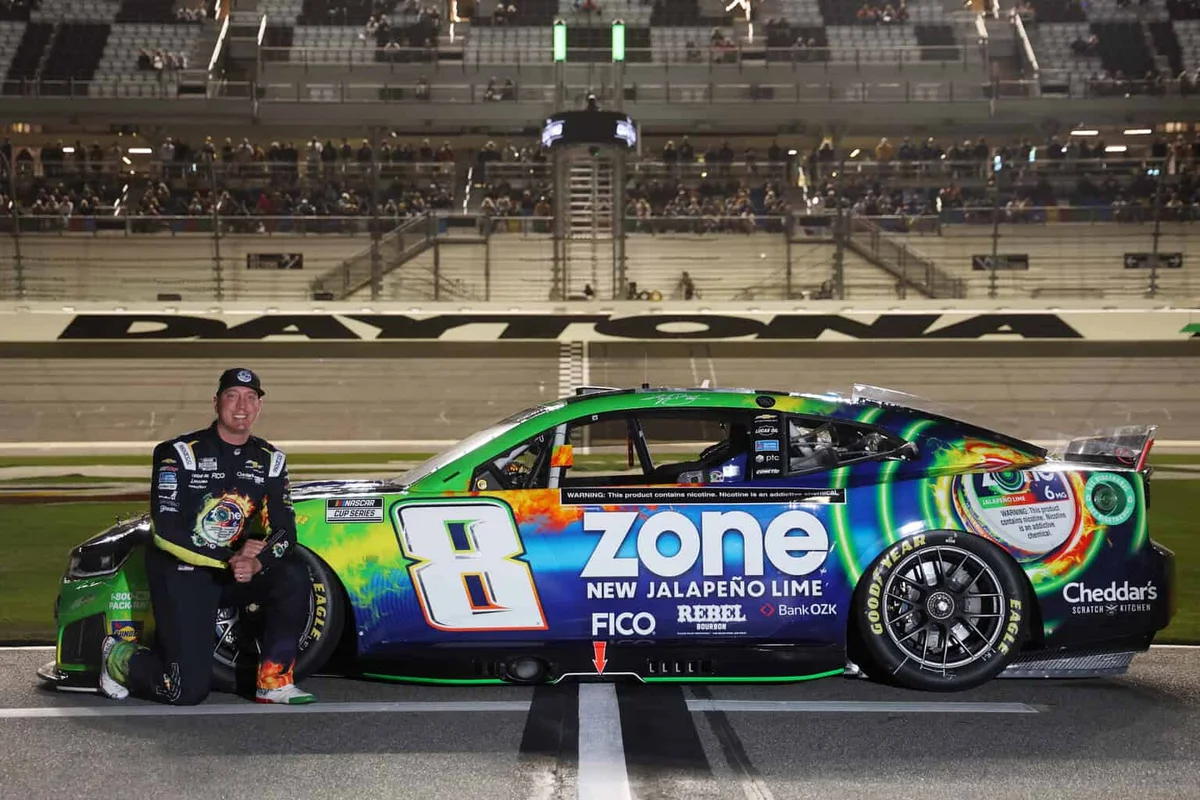
Single-car qualifying on Wednesday, February 11th, established the pole positions for the Daytona 500. Kyle Busch, driving the No. 8 Chevrolet for Richard Childress Racing, secured the pole with a stunning lap time of 49.006 seconds. Close behind, Chase Briscoe, in the No. 19 Toyota for Joe Gibbs Racing, earned the second spot on the front row after clocking a 49.026-second lap.
This qualifying session also marked a milestone as two open entry drivers clinched the chance to participate in the Daytona 500. Corey Heim, renowned for his championship-winning NASCAR Craftsman Truck Series season last year, qualified on speed, while Justin Allgaier secured a spot, ensuring a strong presence for JR Motorsports in the race.
Complete Starting Grid Formation
The starting grid features a finely arranged lineup by inside and outside positions, with notable drivers occupying key spots. Inside the row are Kyle Busch (1st), Joey Logano (3rd), Ryan Blaney (5th), Austin Dillon (7th), Brad Keselowski (9th), John Hunter Nemechek (11th), Shane Van Gisbergen (13th), Daniel Suarez (15th), Casey Mears (17th), Ryan Preece (19th), Alex Bowman (21st), Cole Custer (23rd), Noah Gragson (25th), Bubba Wallace (27th), Corey Heim (29th), Jimmie Johnson (31st), Cody Ware (33rd), AJ Allmendinger (35th), Ross Chastain (37th), William Byron (39th), and Chris Buescher (41st).
On the outside row, starting positions include Chase Briscoe (2nd), Chase Elliott (4th), Carson Hocevar (6th), Kyle Larson (8th), Michael McDowell (10th), Christopher Bell (12th), Josh Berry (14th), Ricky Stenhouse Jr. (16th), Todd Gilliland (18th), Ty Gibbs (20th), Denny Hamlin (22nd), Erick Jones (24th), Tyler Reddick (26th), Riley Herbst (28th), Zane Smith (30th), Connor Zilisch (32nd), Ty Dillon (34th), Austin Cindric (36th), Anthony Alfredo (38th), and Justin Allgaier (40th).
It is important to note that the lineup may still experience adjustments if any drivers opt to use backup cars before Sunday’s race.
How the Duels Shaped the Daytona 500 Field
While qualifying secured the front two rows, the field from positions three through forty-one, as well as the remaining open entry spots, were decided through two Duel races, each covering 60 laps or 150 miles. Duel 1 featured three open-entry drivers — Corey LaJoie, Casey Mears, and Chandler Smith — competing for a single transfer spot into the Daytona 500.
The first Duel remained competitive and relatively clean until green flag pit stops began. Casey Mears locked his tires entering pit road and spun out, involving Noah Gragson and prompting the race’s first caution. As racing resumed, Bubba Wallace surged to the lead with five laps to go but was spun out after contact with Austin Dillon, resulting in another caution and damage to Chris Buescher and Chandler Smith’s cars. In an unexpected final lap overtime, Corey LaJoie became entangled in a large wreck that cost him the lead for the open entry transfer. Against the odds, Casey Mears skillfully avoided the chaos and secured the final open entry spot, ahead of Smith and LaJoie. Joey Logano ultimately won Duel 1.
In Duel 2, Anthony Alfredo, B.J. McLeod, and J.J. Yeley fought for the last open-spot transfer. Anthony Alfredo managed to earn this final place, completing the Daytona 500 field.
Why the Daytona 500 Lineup Matters for the Race
The finalized Daytona 500 starting order establishes the competitive framework heading into Sunday’s race, setting the stage for fierce battles across the track’s iconic 2.5-mile tri-oval. With experienced drivers like Kyle Busch, Chase Briscoe, and Joey Logano starting upfront, and several rising talents secured through the Duels, the race promises a blend of veteran skill and fresh energy. The potential use of backup cars could still influence the lineup, adding an element of unpredictability to the event.
As the Daytona 500 kicks off, this starting grid represents the culmination of weeks of speed trials, strategic qualifying runs, and tension-filled Duels, all aligning for one of NASCAR’s most prestigious and unpredictable events.
