
Tony Stewart‘s NASCAR empire, known as Stewart-Haas Racing (SHR), which once stood among the sport’s elite, came to an abrupt end by late 2024. The closure left several skilled drivers without seats as the team sold off its charters, ending an era that was built on championship victories for Stewart and Kevin Harvick. A former SHR driver recently explained the chief reason behind this sudden collapse amid the challenges brought on by the NASCAR Next Gen car.
Chase Briscoe Explains the Collapse of Stewart-Haas Racing
Chase Briscoe, who was one of SHR’s prominent drivers, pointed to performance struggles as the main cause of the team’s downfall.
“It wasn’t that SHR was not top-tier,”
Briscoe said.
“Our parts and pieces were the same as JGR and Hendrick. I think we just got off the rails a little bit.”
SHR was relatively new but fast established itself alongside the so-called Big 3 in NASCAR. The team had strong infrastructure, enabling them to compete fiercely. However, the introduction of the Next Gen car dramatically reshaped the playing field, and SHR struggled to adjust.
Reflecting on the early days of the Next Gen car, Briscoe recalled,
“In 2022, the first year of Next Gen, nobody knew what to do. We finished third in the 500, led a ton of laps at Fontana, then went to Phoenix and won. That one didn’t feel like we were at this huge deficit when we went to Darlington.”
Though SHR’s cars initially showed competitive promise, the team’s performance deteriorated over time.
“Our car didn’t drive quite as good in dirty air. Everything was a little bit worse. But setup-wise, we could hit it good enough to compete for wins — you’d just only get three or four opportunities a year. At JGR, you might have 15 to 20 race-winning opportunities,”
Briscoe added.
Despite managing four charters in the NASCAR Cup Series field, SHR found it increasingly difficult to keep pace with top competitors. Persistent setbacks under the new regulations caused the team’s competitive edge to erode. Team officials concluded that SHR was no longer viable against rivals and opted to close the operation following the 2024 season. This sudden decision left many crew members and drivers uncertain about their futures, with no prior warning.
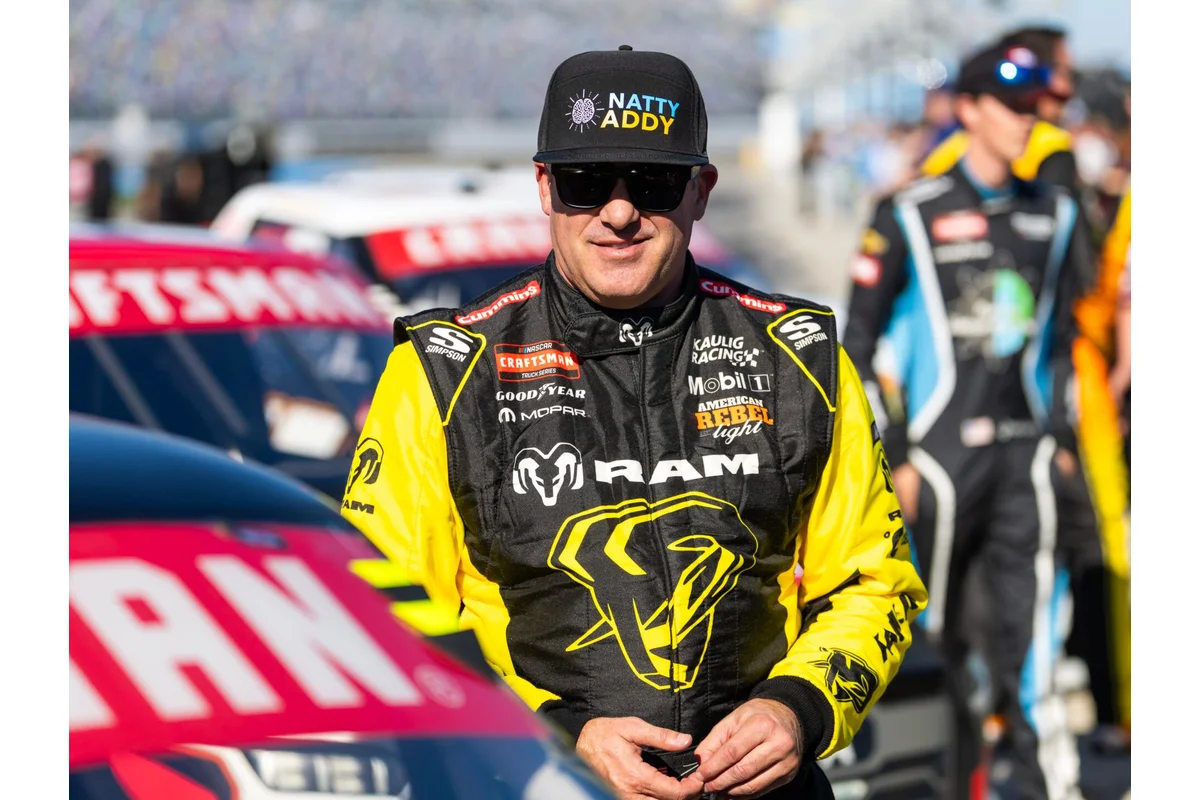
Briscoe quickly landed a drive with Joe Gibbs Racing (JGR) for the 2025 season, where he showcased his talent by capturing three race victories. Meanwhile, Gene Haas continued to operate the Haas Factory Team under a single charter, but Stewart’s focus shifted to his NHRA responsibilities, effectively ending his NASCAR ownership role. The remaining three charters were then sold off.
The Fate of SHR’s Charters After Closure
When SHR decided to sell its charters, the NASCAR Cup Series was already embroiled in disputes over the new Charter Agreement. Two teams, 23XI Racing and Front Row Motorsports, who were part of an antitrust lawsuit against NASCAR, bought one charter each from SHR.
Initially, the district court permitted these purchases; however, midway through the 2025 season, the court reversed the decision. As a result, both teams competed as unchartered entries for several races. This legal tussle lasted until December, when NASCAR reached a settlement with both teams.
The compromise granted evergreen status to charters, which restored the purchases made by 23XI and Front Row Motorsports from SHR. Consequently, no active NASCAR Cup Series charters currently exist under the Stewart-Haas Racing name.
The Greater Impact on NASCAR’s Competitive Landscape
The fall of Stewart-Haas Racing marks a significant shift in the NASCAR Cup Series’ competitive hierarchy. SHR’s departure removes a championship-caliber team that once challenged the established giants like Joe Gibbs Racing and Hendrick Motorsports. This change has altered driver market dynamics, forcing talent like Chase Briscoe to seek opportunities elsewhere, as he did with JGR.
Gene Haas’ continued presence through the Haas Factory Team offers a limited continuation of the SHR legacy, but the absence of Tony Stewart’s direct involvement underscores the broader challenges team owners face adapting to NASCAR’s evolving technical regulations and economic pressures.
Looking ahead, the legal battles over charters and the NASCAR governance structure suggest ongoing tension within the sport, as emerging teams and legacy organizations vie for competitive and financial stability. NASCAR’s resolution to make charters evergreen may help foster some certainty, but the landscape continues to evolve rapidly.
Ultimately, the dismantling of Tony Stewart’s NASCAR empire illustrates how swiftly racing dynasties can unravel when technical innovation, regulatory changes, and competitive pressures collide, leaving even the most celebrated teams vulnerable.
