
As the 2026 Formula 1 season began in Melbourne, George Russell took pole position for the Australian Grand Prix, but enthusiasm was overshadowed by growing dissatisfaction regarding the new car rules. Drivers including Max Verstappen and Lando Norris strongly condemned the alterations to the regulations, labeling the 2026 cars as the slowest and least enjoyable competitors in recent F1 history.
The ongoing controversy over the Formula 1 2026 car controversy centers on the radical technical changes intended to boost sustainability but greatly impair performance and driver satisfaction.
Onboard Footage Reveals Performance Issues Linked to Energy Management
Practice and qualifying video footage surfaced, highlighting drivers having to reduce speed sharply on straights to conserve battery power. This visual evidence draws attention to the critical flaw of the new rules: cars significantly decelerate through fast corners, losing over 50 km/h due to the engine switching to generator mode to recuperate energy. The Australian Grand Prix at Albert Park became a glaring example, where engines and electric systems prioritized energy harvesting over speed, turning previously thrilling sections into cautious conservation zones.
The root cause lies in the mandated balance for 2026 power units, requiring a 50/50 division between internal combustion engines using sustainable fuels and electric battery power. While this hybrid approach aimed to improve F1’s green credentials and attract manufacturers like Audi, it inadvertently produced vehicles that demand meticulous energy management at the cost of outright speed and driver skill expression.
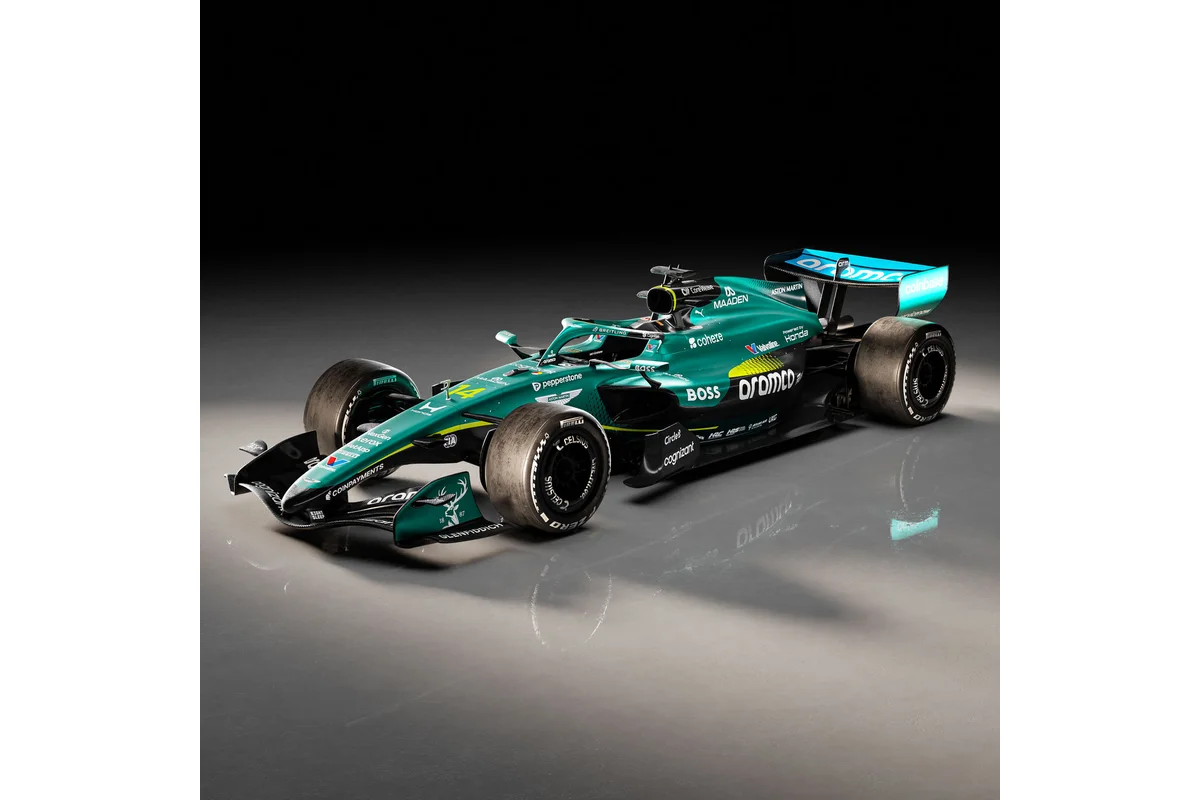
Drivers Forced to Compromise Speed for Battery Conservation
Drivers report needing to slow down well before corners and even on straights to accumulate energy, sacrificing lap times. At Turn 9 of Albert Park, cars aggressively reduce speed and downshift during full throttle to preserve battery power for acceleration zones, leading to cornering speeds about 30 km/h slower than the previous season, although peak straight-line speeds remain similar.
Verstappen and Norris Express Frustration Over Drastically Reduced Driving Pleasure
Max Verstappen, who crashed out in Q1 without setting a lap time, openly criticized the new cars.
It already felt really bad in the simulator, even to the point that I didn’t want to drive it,
he admitted.
I’ve already explained that and it’s just the same now. I’m not enjoying it at all.
Regarding the onboard videos, Verstappen added,
If you look at the onboards, you see enough, right?
Lando Norris, the reigning world champion starting sixth, was equally harsh in his assessment.
We’ve come from the best cars ever made in Formula 1 and the nicest to drive to probably the worst,
he said.
It sucks, but you have to live with it.
Norris explained the constant balancing act between pushing hard and losing battery energy, saying,
Sometimes you push more, you lose the battery and just go slower. You have to understand how to do things.
He even noted the distraction caused by watching battery levels on his steering wheel, risking missing critical track details, since braking points now shift depending on energy usage.
Additional Criticism from Experienced Drivers Highlights Extensive Performance Decline
Fernando Alonso, who found himself in 17th place after a difficult Q1, described the sharp speed reductions in corners as necessary to save energy for straights.
Now in Turn 12 we are like 50km/h slower, because we don’t want to waste energy there and we want to have it all on the straights,
Alonso remarked, humorously suggesting even Aston Martin’s team chef could handle the diminished speeds through what were previously technical corners.
Lance Stroll, failing to record a qualifying time, also voiced frustration, calling for simpler engines with richer sound and sustainable fuels, arguing the current formula is degrading the sport.
Mercedes Dominance Fails to Counteract Discontent Over Diminished Spectacle
Though Mercedes secured a strong qualifying result with Russell on pole and a 1-2 finish, this dominance failed to soften criticism. The regulatory changes have reduced racing excitement, with onboard footage described as uninspiring, and driver skill displays confined by energy-saving demands.
Technical Complications from Active Aerodynamics Exacerbate Race Challenges
The introduction of active aerodynamics in 2026 has worsened handling difficulties. Drivers report experiencing understeer and significant downforce loss in the so-called “straight mode” sections, leading to dangerous near-misses during close racing moments. A contentious drivers’ briefing before qualifying highlighted disagreements over proposals by the FIA to remove one straight mode zone, which met resistance from teams worried about upsetting car setups. Nearly every driver expressed dissatisfaction, with Norris stating,
If you have probably 18 of the drivers complaining, actually it’s 20… I don’t know what’s better for the sport or not.
Environmental Ambitions Clash with Practical Racing Realities and Global Logistics
The backlash arrives amid accusations of environmental hypocrisy. Despite promoting 50% electric-powered cars as a major green achievement, Formula 1 continues to generate a huge carbon footprint, transporting teams, equipment, and staff worldwide for 24 races. Critics argue that the onboard slowdowns, prominent in videos from Bahrain and Melbourne, reveal the new regulations as an illogical compromise prioritizing manufacturer marketing over thrilling competition.
Williams team principal James Vowles provided a more positive perspective, suggesting that having to slow down on straights could create strategic overtaking opportunities, though many drivers remain unconvinced.
Growing Pressure Signals a Pivotal Moment for Formula 1’s Future Direction
With teams requesting last-minute adjustments and increasing safety concerns, the 2026 regulations risk alienating both fans and drivers. The mounting onboard evidence and private remarks from figures like Lewis Hamilton and Charles Leclerc underscore the brewing crisis within F1. The sport now confronts a critical dilemma: balancing sustainability goals with race excitement, or facing the possibility that these cars may become the most criticized in its history and a lasting setback to the sport’s appeal.
The 2026 Formula 1 calendar is insane:
• 24 races
• 21 countries
• 5 continents
• 12 time zones
Drivers will spend at least 140 hours flying — not including trips back home or to the factory. pic.twitter.com/hZsuEazvck
— Joe Pompliano (@JoePompliano) March 4, 2026
The 2026 Formula 1 calendar is insane:
• 24 races
• 21 countries
• 5 continents
• 12 time zonesDrivers will spend at least 140 hours flying — not including trips back home or to the factory. pic.twitter.com/hZsuEazvck
— Joe Pompliano (@JoePompliano) March 4, 2026
