
As cars left the Bahrain pit lane marking the start of the 2026 Formula 1 pre-season testing, a contentious debate began to swirl beneath the surface, centered on Mercedes’ interpretation of the new engine regulations. This controversy over power unit design risks overshadowing what should be an exciting launch of cutting-edge technology in Formula 1, as teams and governing bodies clash over fairness and compliance.
The core of the dispute lies in the mandated compression ratio rule for the 2026 power units, which states that the ratio must be 16:1 when measured at ambient temperature. Mercedes has adopted a strict interpretation, complying precisely with this condition. However, their approach has created a division among the five power unit manufacturers, with Mercedes alone seemingly able to leverage this rule to its advantage, prompting criticism and calls for reassessment from rival teams.
Technical Interpretation Sparks Unequal Playing Field Concerns
Mercedes’ approach meets the letter of the 2026 engine regulations, sticking exactly to the measured compression ratio at ambient temperature. While the rules do not specify considerations outside this measurement, Mercedes has exploited this technical allowance, a move seen by competitors as a loophole being used to gain an edge. Red Bull Powertrains initially explored a similar route but abandoned it and aligned with the other manufacturers opposing Mercedes’ method, likely due to challenges in replicating the advantage.
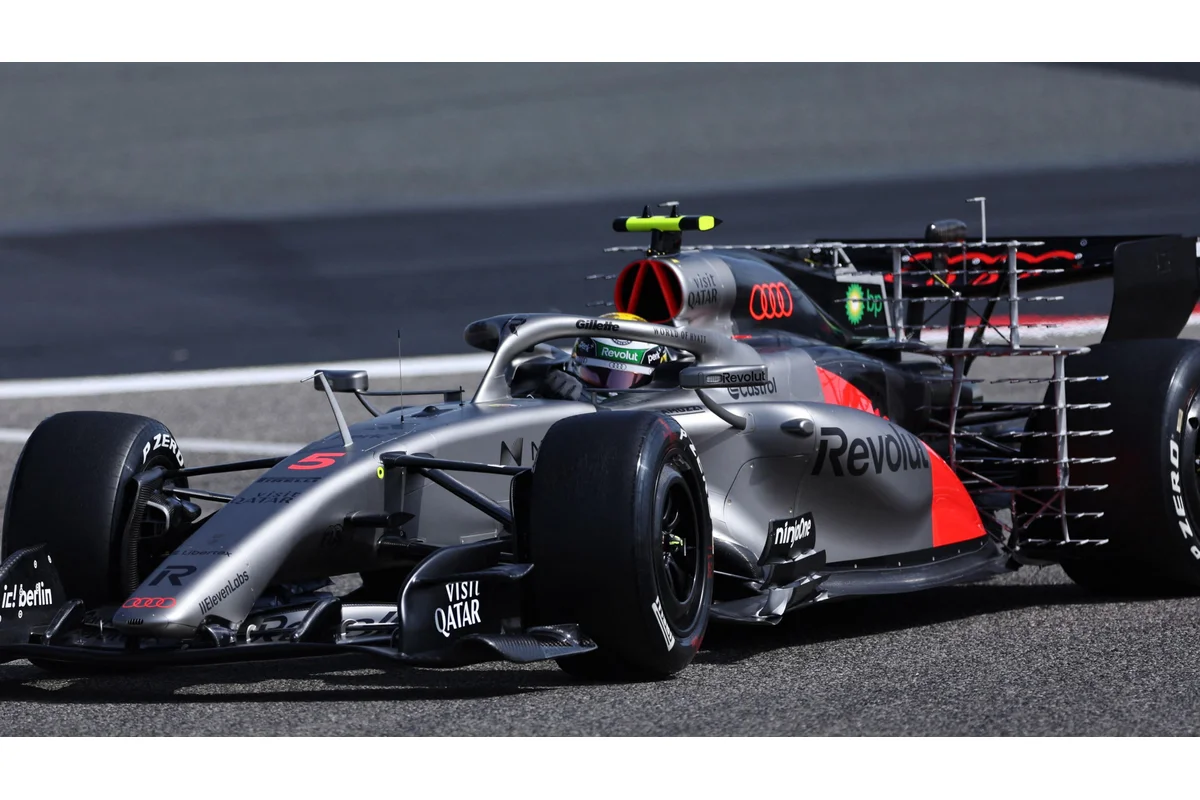
The situation reveals a fragile tension: Mercedes has found a performance benefit that others have not been able to match, leading rivals to pursue regulatory changes aimed at curtailing that edge. This dynamic threatens to embroil the early 2026 season in protests and disputes, including the possibility of challenging the results of the Australian Grand Prix as legal arguments play out away from the track.
The broader implication is consequential — if Formula 1 allows disputes like this to determine outcomes rather than on-track competition, the sport risks eroding its competitive integrity and fan trust.
Mercedes’ Engineering Precision Challenges Formula 1 Norms
By all current understandings, Mercedes’ power unit adheres to FIA interpretations and represents a genuine technical accomplishment aligned with Formula 1’s identity as a pinnacle of automotive innovation. The uncertainty remains around the precise magnitude of any performance gain, with estimates ranging from a modest three horsepower to potentially several tenths of a second per lap.
Formula 1’s governance structure is designed to prevent hasty regulatory changes, requiring consensus-building through bodies such as the F1 Commission where teams, the FIA, and Formula One Management all have a voice. Because of this complexity, rapid intervention is rare and reserved for only the clearest infractions, which complicates efforts to address Mercedes’ technical interpretation swiftly.
Historical Context of Innovation and Interpretation in Formula 1
Formula 1’s history is marked by teams pushing regulatory boundaries and exploiting interpretations for competitive advantage, from Brawn’s championship-winning design to Lotus’s pioneering Cosworth DFV engine. This spirit of innovation is foundational to the sport’s prestige and evolution.
Mercedes, having worked alongside the FIA in developing a compliant power unit, now faces united opposition from rival manufacturers seeking to neutralize what is perceived — though not yet proven on track — as an unfair advantage. This tension highlights the ongoing struggle between embracing innovation and preserving competitive balance.
Potential Ramifications of the Ongoing Dispute in Melbourne and Beyond
As the Australian Grand Prix approaches, the risk increases that protests could be lodged against the eight Mercedes-powered cars, threatening to cast the race results into uncertainty pending official reviews. This turmoil arises at a moment when Formula 1 should be celebrating new regulations and technological progress but instead finds itself mired in political strife.
If Mercedes is fully compliant, as current evidence suggests, the core issue shifts to rivals managing reputational damage after falling short in their own developments. Rather than embracing the challenge presented by Mercedes’ innovation, some are seeking to reshape rules to invalidate that progress.
This situation transcends simple technical argument; it reflects ongoing struggles within the sport about acknowledging excellence versus enforcing artificial parity. Punishing teams that successfully exploit regulations could suppress the very creativity Formula 1 aims to foster, potentially reducing the sport to a standardized formula lacking in ingenuity.
The Future of Innovation in Formula 1 at a Crossroads
Mercedes’ thorough rule reading and regulator consultation led to a power unit aligning with current interpretations. Whether or not it delivers a measurable advantage remains to be seen under race conditions, but the fact that it represents novel engineering differentiates it from rivals’ efforts.
The pressing question is whether Formula 1’s governance will continue rewarding pioneering technical skill or shift toward managing strict equality that may stifle creative progress. This engine saga poses a significant test of the sport’s resilience in upholding its identity as a platform for engineering excellence amid political and commercial pressures.
