
The upcoming Formula 1 2026 technical revolution is not only reshaping the design of the cars but also challenging the drivers’ abilities to adapt rapidly. During the opening day of testing for the Australian Grand Prix at Albert Park Circuit, Esteban Ocon of Haas F1 Team openly admitted the massive amount of information to process is overwhelming.
Adapting to a Transformed Racing Experience After Extensive Pre-Season Preparation
Although teams endured nine intense days of winter testing and completed hundreds of laps, Ocon believes the learning process is far from over given the significant changes to the cars. He finished the first practice sessions positioned mid-field, ranking 10th in FP1 and 11th in FP2, but he emphasized that Friday’s timings held less importance compared to understanding the car’s new dynamics.
A lot has happened. There are a lot of details and complications.
?Esteban Ocon, Haas F1 Team
To be honest, my head is about to explode because there’s so much information to take in.
?Esteban Ocon, Haas F1 Team
Learning the Car’s Behavior with Fresh Track Experience
Testing at Albert Park, a circuit he had not driven on since winter sessions, offered Ocon fresh insight into how the updated car behaves under different conditions. He noted that the car’s balance felt somewhat inconsistent, indicating areas that require refinement in the coming sessions.
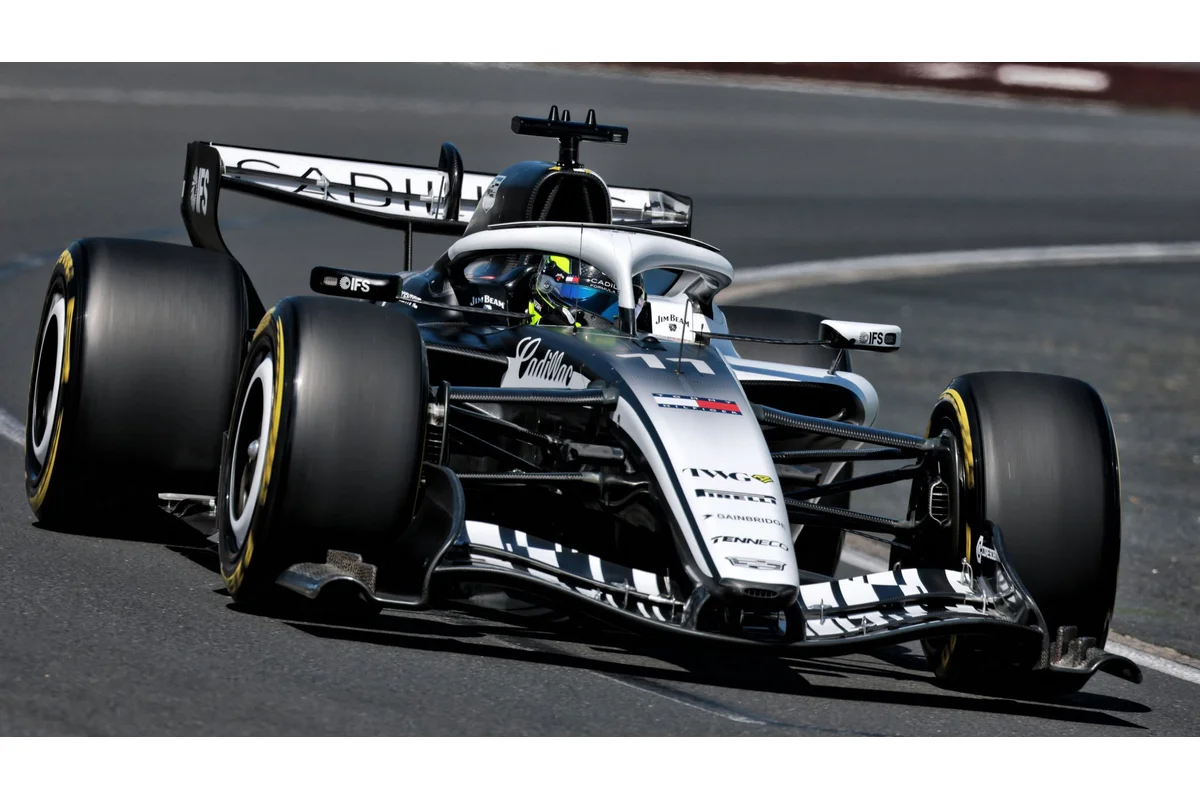
It was interesting to see how the car handled. In terms of balance, it was a bit inconsistent and there are still a few details to improve.
?Esteban Ocon, Haas F1 Team
Energy Management Emerges as a Key Challenge in New Regulations
One of the most demanding elements introduced by the 2026 regulations is mastering energy management. The new rules place a significant focus on electrical deployment during qualifying laps and races, demanding sophisticated strategy from drivers and teams alike. Ocon highlighted that optimization in this area remains a primary hurdle.
When it comes to energy management and deployment, this is clearly where we need to optimize a lot.
?Esteban Ocon, Haas F1 Team
Balancing car setup, driving technique, and energy strategy now plays a pivotal role in performance, requiring continuous adjustment to maximize gains. Ocon stressed the current difficulty in managing this complex interplay.
There is a lot to be gained from that side and it is not very easy to manage at the moment.
?Esteban Ocon, Haas F1 Team
Positive Signs for Haas Despite Ongoing Challenges
Despite acknowledging the technical complexity, Ocon expressed cautious optimism about Haas’s progress compared with last season. The car appears fundamentally reliable, providing a solid platform that allows the team to focus more on fine-tuning rather than addressing critical issues.
Fortunately, our car handles quite well in terms of balance.
?Esteban Ocon, Haas F1 Team
This base stability is vital as the American outfit continues to explore performance improvements throughout the race weekend. Yet, Ocon remains guarded, recognizing that every session in this revolutionary F1 era reveals new findings, making the start of the season a steep learning curve for everyone involved.
The Broader Impact of the F1 2026 Technical Revolution on Drivers and Teams
The 2026 technical shift in Formula 1 is forcing drivers like Esteban Ocon to undergo a mental adaptation process akin to mastering a new sport, with vast amounts of new data and energy strategies to process. For the Haas F1 Team and others, successfully navigating this period will be key to competitive performance throughout the season. As teams gain a deeper understanding of the altered cars, the coming races will likely highlight who best manages this complex new technical landscape.
