
Max Verstappen will begin the F1 Italian Grand Prix from pole position after setting the fastest lap in Formula 1 history during Saturday’s qualifying session at Monza. The Red Bull driver narrowly edged out McLaren’s Lando Norris, who will start second, while Oscar Piastri qualified third, securing the second McLaren on the grid. As teams prepare for the race, tire strategies remain a critical factor in the contest’s outcome.
Preferred Tire Strategy: One Pit Stop as the Likely Path to Victory
Pirelli, the official tire supplier for the F1 Italian Grand Prix, selected the three softest compounds for the weekend’s race, making tire management paramount. On paper, the race is expected to follow a relatively straightforward one-stop strategy. Pirelli has outlined four potential approaches, with the favored plan involving starting on medium tires and switching to hard tires during the scheduled pit window between laps 22 and 28.
An alternative plan involves beginning on hard tires and then moving onto mediums between laps 28 and 34. For teams and drivers aiming to diverge from the norm, starting on mediums could allow for a longer stint extending to laps 32 to 38, before switching to soft tires for the final stint. Additionally, Pirelli has suggested that starting on hard tires and then using soft tires during the same pit window is also a feasible option.
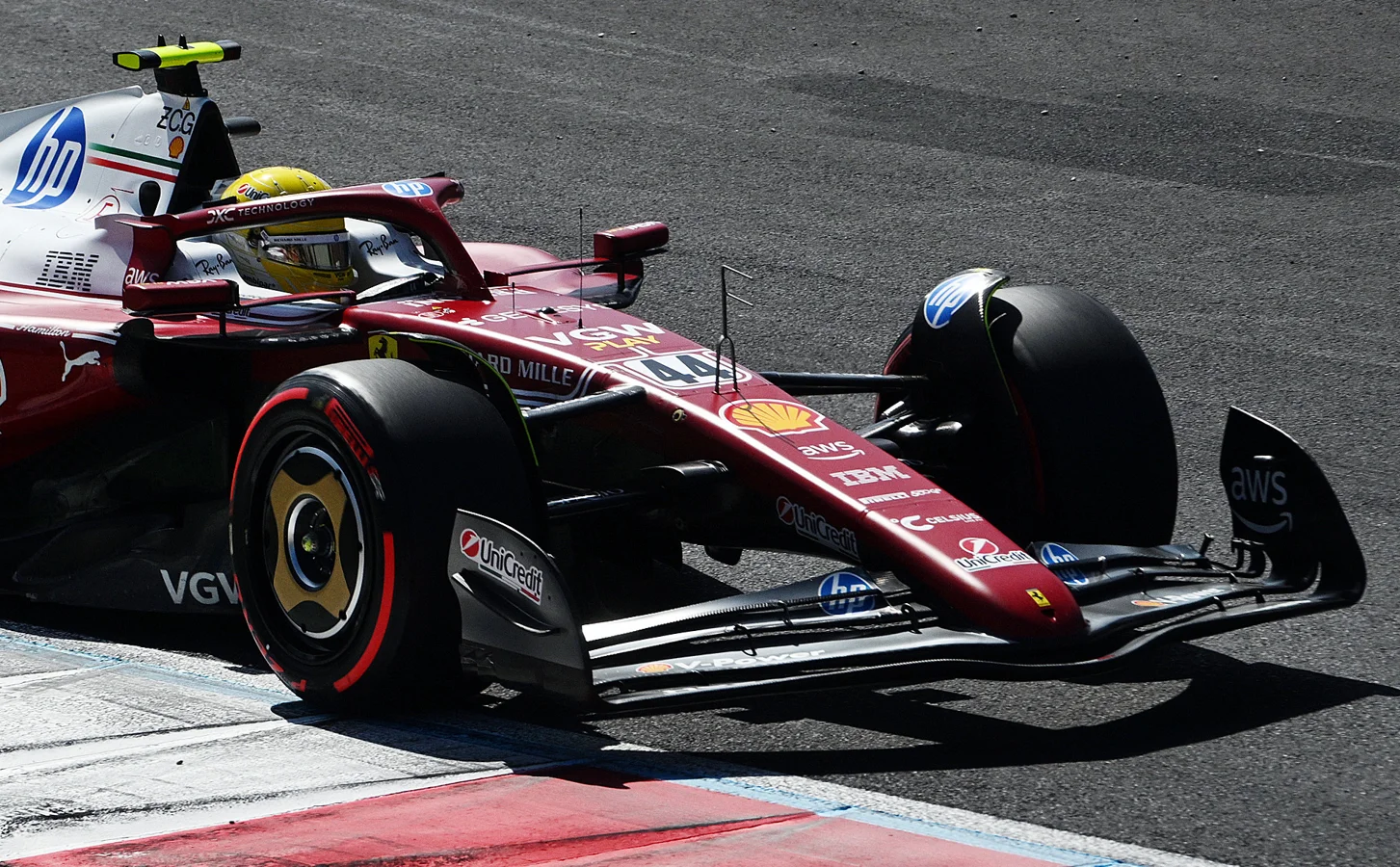
Unexpected safety car periods or red flags could inspire teams to make more than one pit stop, with the decision heavily influenced by the tire sets each driver has saved throughout the weekend.
Assessing Tire Sets and Advantages Among Drivers
Among the front runners, Verstappen has a distinct advantage in tire availability, possessing both sets of new hard tires saved specifically in case a two-stop strategy becomes necessary. This gives Red Bull greater flexibility over the race’s course, allowing Verstappen to adapt to changing track conditions, safety car deployments, or red flags without concern about tire longevity.
Most other drivers typically retain a fresh set of hard and medium tires, but those who did not qualify in the top 10 often maintain at least one unused set of soft tires, providing opportunities to push aggressively if needed.
Mercedes’ George Russell and Kimi Antonelli stand out from the pack, each with access to both new and used medium tires, offering them additional tactical choices.
At the back of the grid, Isack Hadjar, driving for Racing Bull, may pursue an aggressive approach. Despite only having one used set of hard tires, he has two fresh sets of mediums and softs, which could allow him to adopt a different pace and approach than his competitors.
Race Outlook and Tactical Considerations at Monza
The F1 Italian Grand Prix at Monza challenges teams to balance outright speed with tire longevity, especially given the high-speed nature of the circuit. Verstappen’s ability to adapt his tire strategy throughout the race makes him a formidable contender, especially with the tire set flexibility Red Bull has maintained.
Ultimately, tire management strategies will play a pivotal role in determining the race winner. Red Bull’s preparation and Verstappen’s skilled tire preservation could provide the edge needed to maintain pole advantage into the closing stages of the Grand Prix. Teams behind will rely on strategic ingenuity and potential safety car interventions to disrupt the frontrunners’ plans.
