
Formula 1 is facing increasing criticism over the role of financial power in determining who reaches the sport’s highest ranks. Former F1 driver Jan Lammers recently highlighted how the rising costs in junior racing categories are shutting out many promising drivers, making success in F1 nearly impossible without significant monetary support. This troubling trend raises concerns about the sport’s future and the fairness of its talent pipeline.
Lammers, who raced in Formula 1 from 1979 to 1981, is particularly distressed about his son Rene Lammers’s prospects. Rene is set to compete in the Eurocup-3 series in 2026, but Jan warns that breaking into the top tier requires not only skill but also deep financial backing.
“Having a lot of money these days is very relative,”
Lammers remarked, underscoring the widening gap between driver ability and the money needed to advance.
The Lance Stroll Phenomenon and Its Implications
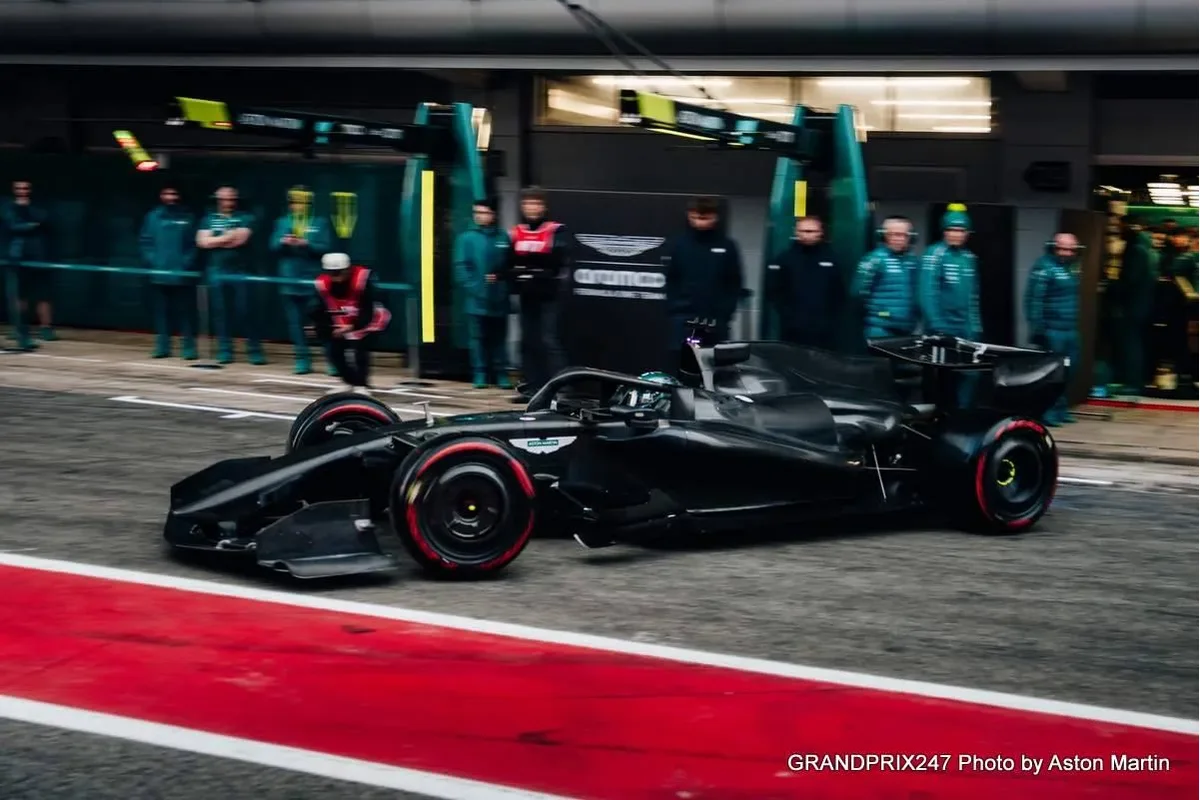
The spotlight often falls on Lance Stroll, who benefits from the support of his billionaire father, Lawrence Stroll, and currently drives for Aston Martin. Despite a disappointing 2023 season, Stroll’s continued presence on the grid raises questions about meritocracy within the sport. Jan Lammers expressed his concern, saying,
“We have Lance Stroll in Formula 1, but there are about eight more Lance Strolls in the pipeline. So it’s becoming increasingly difficult to distinguish yourself based on talent.”
This situation suggests that more drivers might reach the upper echelons of racing mainly due to financial backing rather than pure performance, which threatens to erode the competitive integrity of Formula 1.
Financial Barriers for Aspiring Drivers
The growing expense of racing forces young talents to heavily depend on family wealth or the unlikely hope of securing sponsorship deals. Jan Lammers shared his own family’s struggles, revealing how challenging it has become to maintain competitiveness without ample funding.
“Up until now, we’ve been able to compete normally, but that’s something that’s becoming exponentially more difficult. We don’t have a cent left. In fact, we’re panting after the horse.”
Such financial pressures mean many gifted drivers may never get the chance to prove themselves, potentially shrinking the sport’s talent pool and limiting diversity on the grid.
Questions Surrounding Aston Martin and the Future of the Grid
Amid this, Lance Stroll’s place at Aston Martin remains secure, supported by a rolling contract despite being outqualified by teammate Fernando Alonso throughout the 2025 season. With McLaren drivers like Lando Norris and Oscar Piastri sparking fierce competition elsewhere, Aston Martin faces a dilemma as it aims for championship success. Will the team continue to invest in Stroll despite recent underperformance, or will results ultimately dictate future decisions?
Formula 1 at a Financial and Competitive Crossroads
The ongoing interplay between wealth and ability in Formula 1 raises urgent questions about the sport’s direction. Jan Lammers’s warnings resonate within the community, highlighting a growing divide where financial influence increasingly overshadows genuine talent. The prominence of wealthy drivers like Lance Stroll and others following a similar path challenges the notion that F1 rewards skill alone.
As the sport heads into an uncertain future, it must decide whether it will remain accessible to all talented drivers or become a domain reserved only for those backed by substantial resources. The answers to these questions will shape the identity and credibility of Formula 1 for years to come.
