
During the initial days of pre-season testing ahead of the 2026 Formula 1 campaign at the Circuit de Catalunya, Lewis Hamilton clocked the fastest lap, providing Ferrari a rare boost following a challenging 2025 season. Though Hamilton’s performance with the SF-26 will not directly determine Ferrari’s competitive standing in Melbourne, it has rekindled optimism within the Maranello outfit.
Despite the closed-door nature of the five-day testing, images of each team’s cars have surfaced, enabling technical experts and rivals to begin assessing the new designs. Early insights have already revealed some potential weaknesses in Hamilton’s car, even as he remains the frontrunner on the timesheets. Spins from Hamilton and incidents involving drivers like Max Verstappen and Isack Hadjar highlighted the usual risks of such early-season running.
Technical Review Highlights Ferrari’s Bold Suspension Design and Potential Driver Risks
Renowned F1 technical analyst Craig Scarborough, while discussing the SF-26 on Peter Windsor’s YouTube channel, described Ferrari’s latest car as “surprisingly aggressive” in design, particularly its suspension. The car features significant innovations, such as undercut side pods directing airflow through diffuser slots, alongside a multi-link lower arm front suspension inspired by last year’s McLaren setup. These elements promise improved tyre grip and overall performance.
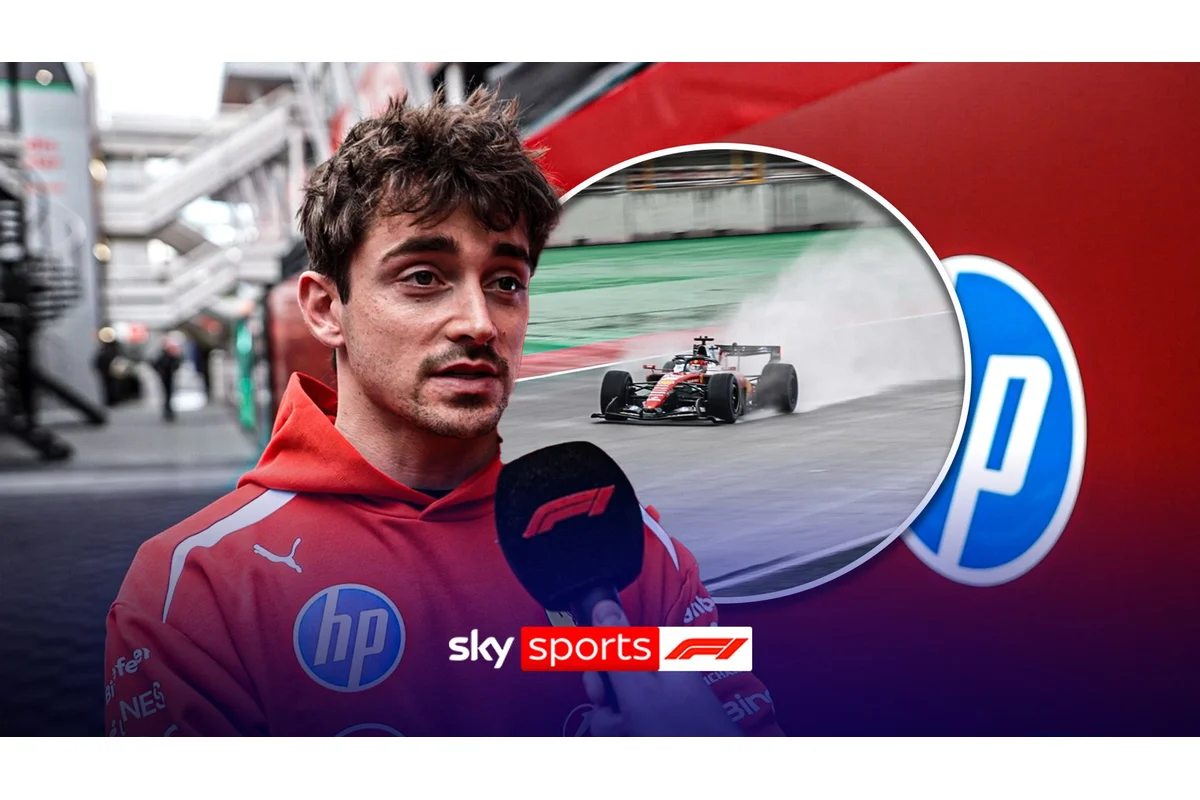
Scarborough noted that Ferrari’s engine appears to be delivering competitive power, with positive feedback emerging from track observations. However, he issued a cautionary message about the suspension’s impact on driver adaptation, warning that the innovative system might not suit both drivers equally well. This concern stems from Ferrari’s previous experience, where both drivers encountered difficulties with the car’s feel over the last season.
And we know that both drivers struggled with the feel of that car last year.
– Craig Scarborough, F1 Technical Expert
Learning from McLaren’s 2025 Season to Prevent Internal Team Discord
Ferrari aims to emulate McLaren’s impressive progress in 2025, a season marked by Lando Norris becoming world champion and Oscar Piastri approaching record-breaking wins in Australia. McLaren’s breakthrough came after Norris adopted a mid-season suspension adjustment that significantly enhanced his car’s drivability and confidence, a change Piastri did not make.
This technical tweak allowed Norris to close performance gaps and ultimately succeed over his teammate. Ferrari is keen to avoid a repeat of potential driver disparities or conflicts and wants to ensure harmony between Lewis Hamilton and Charles Leclerc throughout 2026. Internal unity will be critical, especially since the team plans to introduce an evolved car for the upcoming tests in Bahrain, building on their solid baseline.
Upcoming Developments and Importance of Managing Driver Dynamics
As Ferrari prepares to release further upgrades in Bahrain, the team’s performance trajectory will become clearer. The balance between innovative engineering and driver compatibility remains a key focus, particularly with Hamilton and Leclerc expected to share driving duties. Should the aggressive suspension fail to suit one of the drivers, tension may arise, potentially disrupting Ferrari’s championship ambitions.
Maintaining cooperative relationships within the team will be vital to capitalize on the promising technical advancements. Ferrari’s ability to manage these dynamics will likely shape their competitiveness and stability during the opening rounds of the 2026 Formula 1 season.
