
The FIA has announced that new engine compression ratio controls will now take effect from June 1, 2026, advancing the originally planned date of August. This change comes amid controversy surrounding the Mercedes power unit and its compliance with the 16:1 compression ratio limit outlined in the 2026 Formula 1 regulations. The early enforcement of these rules positions George Russell as a leading contender for the upcoming championship.
Details of the Revised Compression Ratio Monitoring
The governing body detailed that compression ratios will be assessed in both cold and hot engine conditions starting June 1, 2026, before transitioning exclusively to hot condition measurements from 2027 onward. The FIA emphasized the complexity of reaching this compromise after concerns raised by rival teams about Mercedes’ exploitation of regulatory loopholes.
A significant effort has been invested in finding a solution,
the FIA stated.
The FIA has worked to find a compromise solution that determines that the compression ratio will be controlled in both hot and cold conditions from 1 June 2026, and subsequently only in operating conditions from 2027 onwards.
Impact of Regulation Changes on Team Dynamics
The announcement follows weeks of intense debate on the paddock, as other manufacturers questioned Mercedes’ power advantage under earlier interpretations of the compression ratio rules. Despite the crackdown, Mercedes remains a strong favorite entering the Melbourne Grand Prix, closely matched by Ferrari’s performance.
Red Bull Racing’s rookie Isack Hadjar acknowledged the current outlook based on testing results, saying,
Based on what we saw in pre-season testing, the safe answer would be George Russell,
Hadjar remarked.
But with a mid-season update, everything can change.
Mercedes’ Optimism Amid Testing Results
Mercedes team principal Toto Wolff expressed cautious optimism after winter testing, noting improved confidence in their car and driver satisfaction. He pointed out that lap times indicate Mercedes may be closer to the lead pack than in recent years, yet remained realistic about the variables that could affect performance in race conditions.
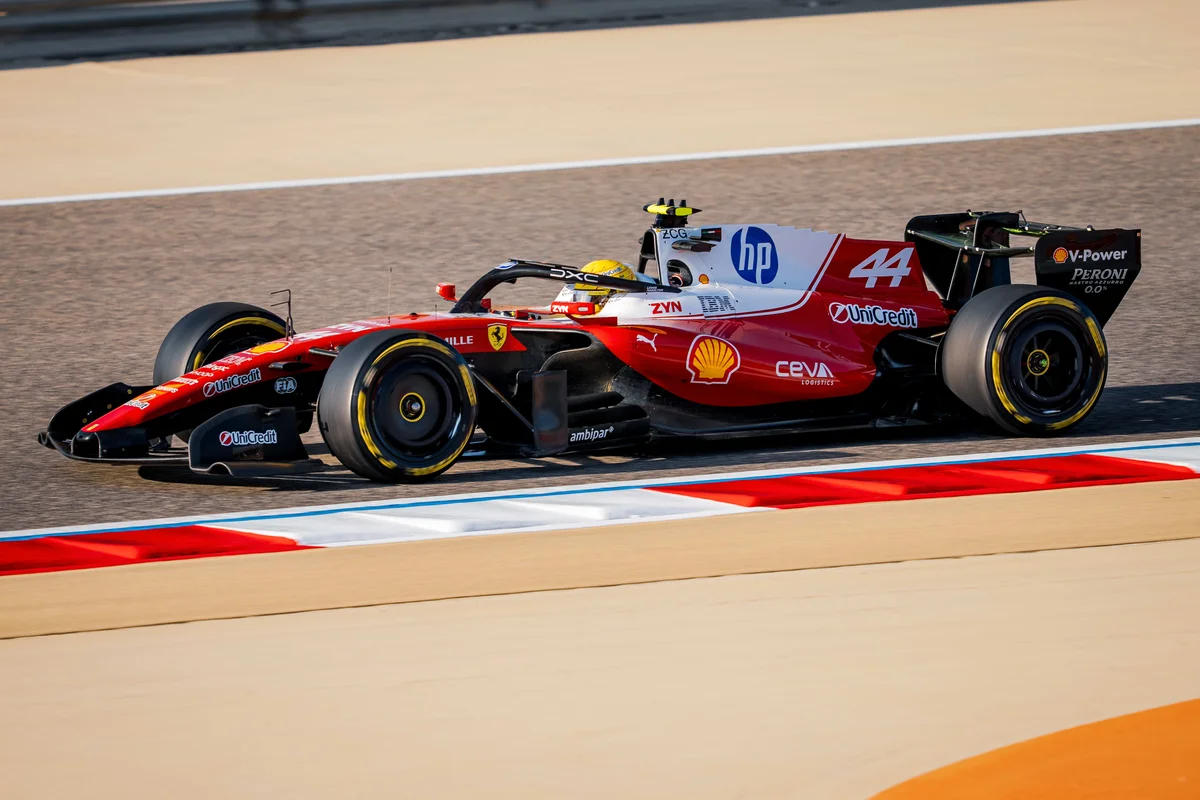
The fact that we started testing confidently brought a sense of relief,
Wolff said.
Our drivers are happy with the car. Judging by laptimes, we’re unlikely to be as far behind as in the last three or four years.
However, Wolff also warned,
Ten extra kilos of fuel costs about three-tenths per lap. So we can only guess at the balance of power. I’d say the same four teams are still at the front – and we’re joining them, I hope.
Competition Outlook for the 2026 Season
Ferrari is regarded as one of the top contenders along with Mercedes, while McLaren and Red Bull are expected to trail just behind them as the season begins in Melbourne. F1 CEO Stefano Domenicali dismissed fears that the new regulations, which emphasize greater electrical deployment and energy management, would allow one team to dominate.
On the contrary, I foresee even more heated competition,
Domenicali commented.
Even if someone in Melbourne shows an advantage, I think within a couple of grands prix the others will close the gap.
With the FIA’s accelerated enforcement of engine compression rules, the 2026 Formula 1 season is shaping up to be fiercely contested. George Russell’s strong position highlights the evolving balance of power, but ongoing developments and mid-season adjustments may still shift the championship landscape.
