
Oliver Bearman, driving for Haas in Formula 1, has shared his experience of coping with loneliness during his first season in the championship. Throughout 2025, the British driver navigated not only the intense competition on track but also personal struggles linked to constant travel and isolation.
Bearman concluded his debut year placed 13th in the drivers’ championship, ahead of his more experienced teammate Esteban Ocon, who finished 15th. His season featured notable highlights, including a strong fourth-place finish at the Mexican Grand Prix, yet he also revealed the emotional toll the calendar took on him.
The Impact of Extensive Travel on Loneliness
Bearman pointed out that the demanding schedule of Formula 1, especially with ten additional races compared to Formula 2, contributed significantly to his feelings of isolation. Many of these extra events took place in distant locations such as Japan and China, where language barriers heightened his sense of separation.
“Yeah [I struggled with loneliness in F1]. Even to more of an extreme because you’re often travelling for longer,”
Bearman said during his conversation on the High Performance podcast. He described how being in places where English is not prevalent made it difficult to connect with others, exacerbating his solitude.
He emphasized the stark contrast between the high-energy environment at the racetrack, surrounded by hundreds of people and constant activity, and the quiet, often empty hotel rooms he returned to afterward.
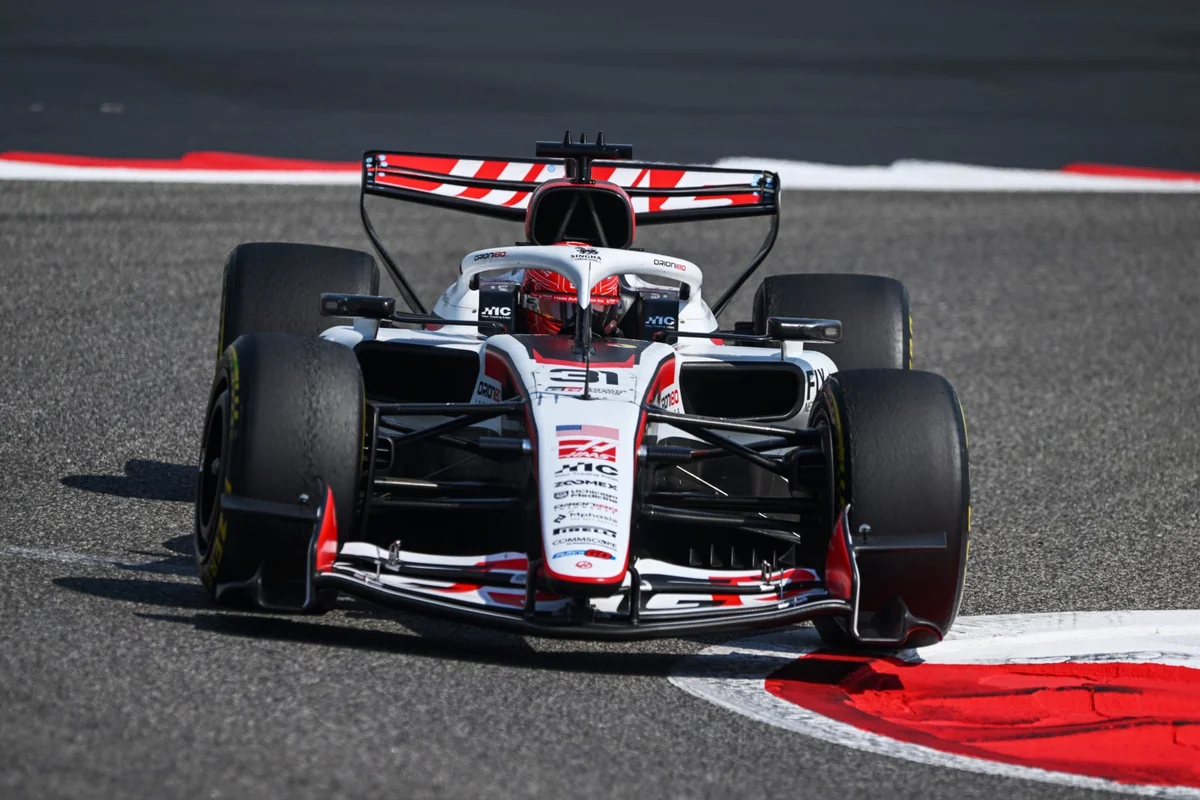
“So all of that extra travel, travelling alone all the time and you go from one extreme of being at the track and being with hundreds of people, having no time to dedicate to yourself, and then you get home into your hotel room, and it’s just you.”
The Emotional Struggles Following Difficult Races
After challenging race weekends, the isolation felt even heavier for Bearman, as he longed for the comfort of family or close companions. While his father made special efforts to attend many races, providing a crucial sense of continuity, there were still occasions when Bearman faced tough moments alone.
“Like I said, I was very lucky to have my dad at a lot of races, but he couldn’t do all of them. And there were some tough events where you wish you had someone to be with and describe your feelings to, but I guess it’s part of the game,”
he admitted.
Managing Mental Health with Professional Support
Initially, Bearman struggled to openly express his emotions, choosing instead to bottle them up, which intensified the difficulties he experienced. During the early part of the year, he was often isolated in Monaco, away from his family, with only his girlfriend nearby.
“One thing I was doing was bottling up my emotions a bit at the start of the year. So, I found that quite challenging. I would get home, and it would also be empty… I felt like life was revolving around racing, and it was non-stop,”
he explained.
Recognizing the need for support, Bearman worked with a coach to better handle the shifts between the busy, social race weekends and solitary downtime in hotels. This helped him develop coping strategies to balance the extremes he faced regularly.
“I spent a bit of time with a coach at the start of the year once I realised that I was not overwhelmed but struggling a bit with the juxtaposition between being so busy at the track, coming home and having nothing to do, nothing in your schedule, nothing. It’s one extreme to the other,”
he said.
Putting Experience into Perspective
Through these challenges, Bearman learned the importance of gratitude and perspective in maintaining his emotional well-being. He reflected on how imagining the joy of his younger self achieving this milestone helped put current difficulties into context.
“Times can be tough, but at the end, if I told 10-year-old me what I’m doing now, I think he’d be pretty happy, and putting things into perspective and appreciating everything around you, I think, is an incredibly important attribute,”
Bearman shared.
As Bearman continues his career with Haas and in Formula 1, his openness about the mental health pressures rookie drivers face highlights a side of the sport that often goes unseen. His experience may encourage more conversations about the support needed to thrive both on and off the track.

