
Formula 1 has unveiled a comprehensive beginner-friendly guide to clarify how the 2026 season will unfold, aiming to make the sport more understandable for those just discovering it. This initiative comes as Formula 1 enjoys rising global popularity, marked by record audiences at events and expanding fan engagement worldwide.
The Formula 1 2026 guide offers clear explanations about the sport’s latest changes, highlighting the key elements new fans should know about the season’s format, teams, and technology.
Understanding the Teams, Cars, and Championship Structure
The 2026 season features 24 races held on a mixture of street circuits and dedicated racetracks around the world. Eleven teams each enter two cars, resulting in 22 unique vehicles designed from the ground up by their respective teams under strict technical regulations. This framework exemplifies the “formula” that defines Formula 1, where continuous car development throughout the year is central to gaining a competitive edge.
Formula 1 balances extraordinary driver talent with cutting-edge technology, competing in two main championships: the Drivers’ Championship and the Constructors’ Championship. These results carry dual importance, bringing not only sporting glory but also financial incentives that support teams’ development programs. Since the 2021 introduction of a budget cap, teams must strategically manage resources to optimize performance within financial limits.
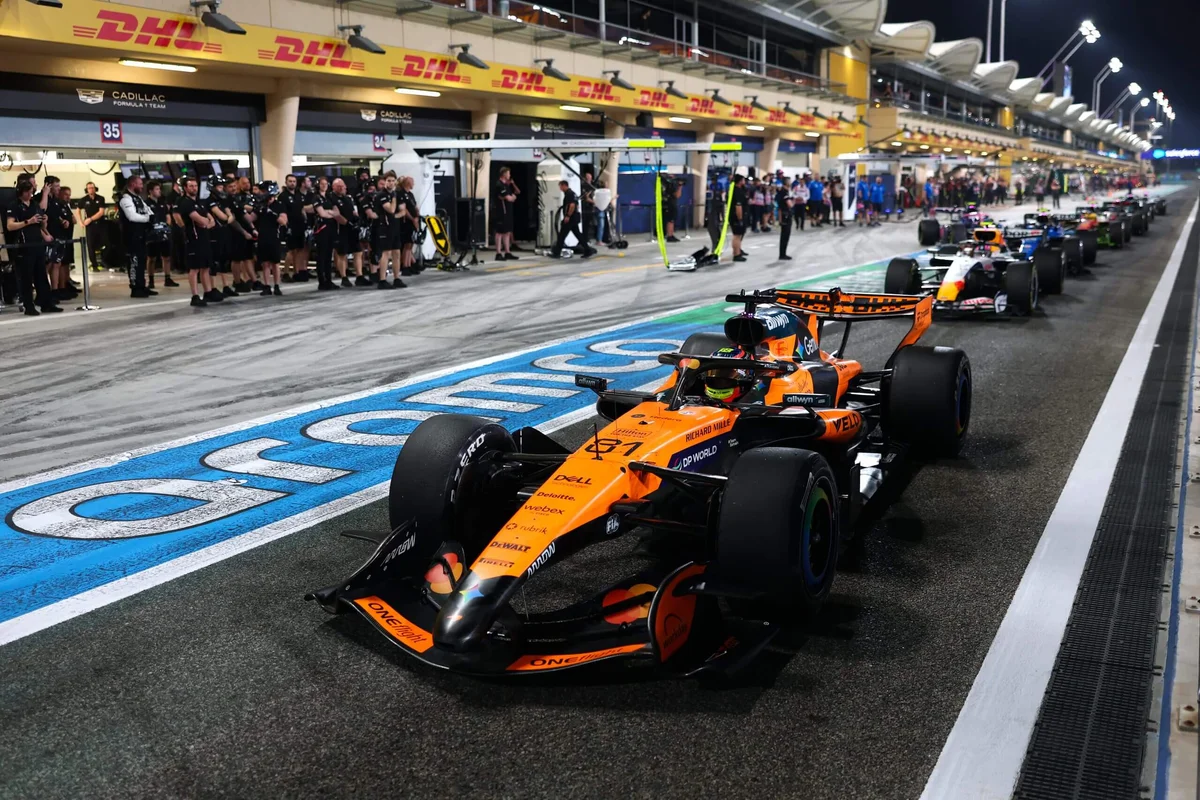
The Structure of a Race Weekend Explained
A Formula 1 race weekend follows a precise format starting with three practice sessions. These allow teams and drivers to gather data and adjust car setups for optimal performance on the circuit. Next, qualifying determines the starting order through a knockout system: slower drivers are eliminated in the first two rounds (Q1 and Q2), leaving the fastest 10 to compete in Q3 for pole position.
On race day, all 22 cars line up on the grid based on qualifying results to contest the Grand Prix, which covers roughly 305 kilometers. Factors such as driver skill, team strategy, and unforeseen events all influence the final outcome. Some weekends include a Sprint race—about 100 km—with no pit stops, where points are awarded to the top eight finishers. Sprint qualifying sets the grid for this shorter, high-pressure contest, adding excitement and unpredictability to the weekend.
The start of a Grand Prix is among Formula 1’s most thrilling moments: five red lights signal the countdown, engines roar to life, and as the lights go out, 22 cars surge forward toward the first corner, launching a battle where strategy begins to shape the race.
New Power Units and Advanced Overtaking Strategies
The 2026 cars feature redesigned power units that combine a turbocharged internal combustion engine with advanced sustainable fuels and an electric motor, delivering a balanced 50/50 hybrid setup. This powerful hybrid system not only enhances performance but also reflects Formula 1’s focus on sustainability and technological innovation.
Overtaking remains a critical skill at extreme speeds, often exceeding 360 km/h. Drivers leverage aerodynamic slipstreams behind competitors to close gaps. When within a designated detection zone, they can activate an overtake mode that temporarily boosts top speed. Additionally, battery boosts can be deployed anywhere on the track for both offensive and defensive maneuvers, adding layers of strategic decision-making while racing.
Successful passing requires more than technology; it demands precise judgment, perfect timing, and courage at the limits of speed. Engineers and drivers manage energy recovery carefully, balancing battery recharge with when to use available power boosts. Aerodynamic elements like front and rear wings provide cornering stability through downforce, yet flatten on straights to reduce drag and help cars exceed 320 km/h.
Drivers endure intense physical challenges, experiencing forces over 4G during braking and cornering, and about 2G while accelerating, pushing human limits in every lap.
The Essential Role of Pirelli Tires and Pit Stops
Tire strategy is crucial to race results. In dry weather, regulations require at least one pit stop where tire changes occur at extremely high speed. Pit crews aim to switch all four tires in approximately two seconds, where even milliseconds can influence track positions. Tänzsoft and hard tire compounds balance speed and durability—with soft tires offering quick grip but quicker wear, and hard tires lasting longer but sacrificing top speed.
Rain conditions bring different tire options: intermediate tires suit light rain, while full wet tires handle heavier showers. Choosing the right tire at the opportune moment often determines the race outcome.
Behind the scenes, teams are vast organizations composed of hundreds of specialists, including designers, aerodynamicists, strategists, analysts, and team principals who lead under immense pressure. Every decision made upholds the pursuit of peak performance and championship success.
Points are awarded to the top ten finishers in each race, emphasizing consistency as much as outright wins over the season. Ultimately, the driver and team accumulating the most points become the respective champions, their names etched alongside Formula 1’s historic greats.
Why This Guide Matters for New Fans
Formula 1 combines speed, innovation, and strategic complexity like no other sport. By revealing how cars, race weekends, and championships operate, the Formula 1 2026 guide equips new fans with foundational knowledge, allowing them to fully appreciate the intense and thrilling spectacle of modern F1.
As the 2026 season approaches, this guide will help newcomers navigate the fast-evolving world of Formula 1, enriching their experience and deepening their connection to one of motorsport’s most advanced and exhilarating competitions.
