
The opening race of Formula 1‘s 2026 season at Albert Park quickly became marred by controversy, as fans and experts alike criticized the sport’s technical decisions and communication approach. The 2026 regulatory changes meant to modernize racing instead triggered accusations that the sport prioritized image management over authentic competition, leading to widespread frustration among the global fanbase. This mounting tension has sparked intense debate about a brewing Formula 1 fan censorship controversy.
Technical Challenges Undermine Racing Excitement
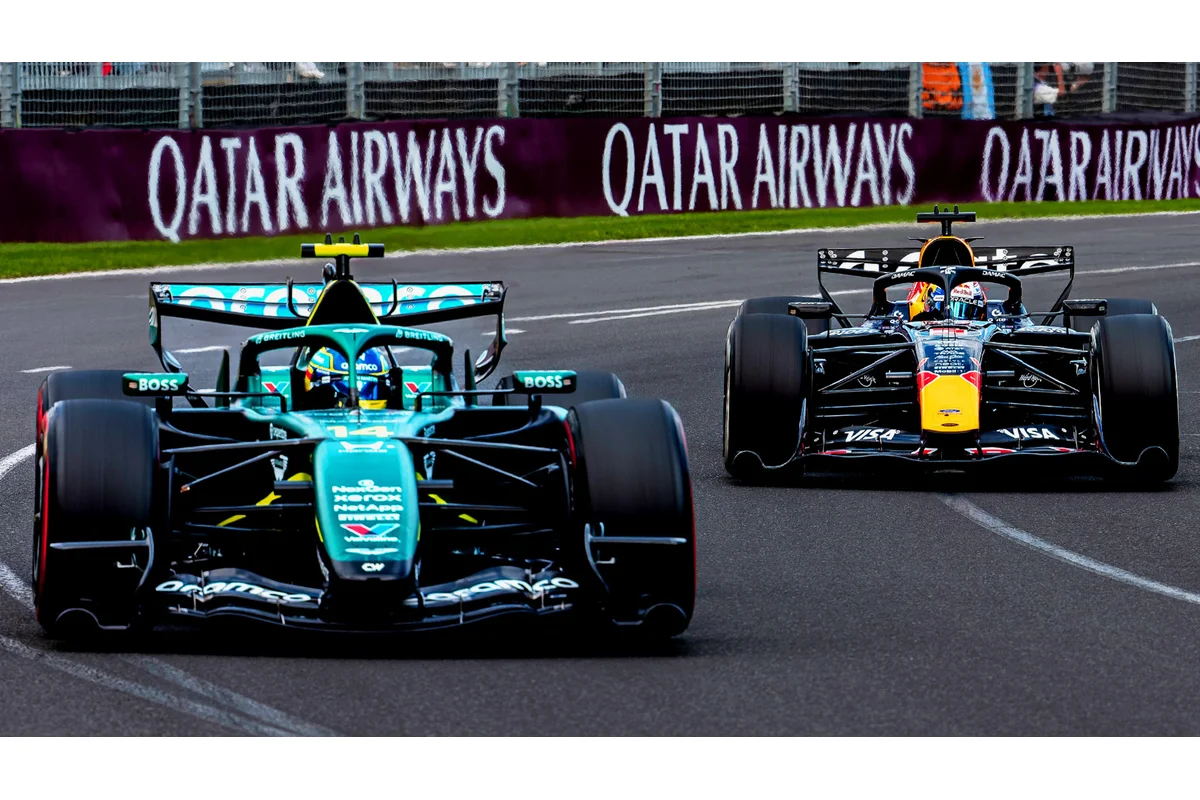
The 2026 Australian Grand Prix showcased the limitations of the new power units, which feature an equal split between combustion and electric power. While intended to promote environmental progress, these units struggled in race conditions, notably causing cars to decelerate sharply mid-straight due to battery drain. Drivers had to downshift or reduce throttle at speeds around 330 km/h, disrupting the flow and spectacle of the race. Fans viewed this as a forced compromise imposed by commercial green initiatives rather than sound engineering, which ultimately lessened the excitement that defines Formula 1.
Questionable Overtake Statistics Spark Doubt
Formula 1’s official social media accounts eagerly promoted the race’s claimed achievement of 120 overtakes, significantly higher than the 45 recorded the previous year. However, a closer look revealed that many of these overtakes were not the result of traditional close racing but were instead caused by cars losing power and being easily passed. This phenomenon, termed “phantom overtakes,” arose from systematic battery depletion forcing slower speeds. Critics argue that counting these as genuine passes inflates the spectacle artificially, equating them to vehicles passing a stalled car rather than competitive duels on track.
Fan Backlash Met with Digital Suppression
Amidst overwhelmingly negative reactions, Formula 1’s social media response took a controversial turn. In an apparent effort to shield the brand’s image, the organization reportedly hidden or filtered more than 1,000 critical comments from fans. Such mass censorship of dissatisfaction has intensified accusations that Formula 1 is suppressing honest feedback rather than addressing legitimate concerns. This approach has fractured trust between the sport and its supporters, who feel their right to express disappointment over a costly entertainment product is being denied. The situation likened the sport’s communication strategy to that of a “digital Ministry of Truth,” prioritizing PR over transparency.
Implications for Formula 1’s Credibility and Future
The events at Albert Park have raised pressing questions about Formula 1’s integrity and direction as it evolves into the 2026 era. The issues extend beyond technical glitches to a broader challenge of intellectual honesty. If the sport continues to rely on manipulated data and heavy-handed control of fan discourse, it risks eroding one of its most valuable assets: credibility. Simply using marketing tactics and social media highlights will not suffice to maintain genuine passion and trust among followers.
Looking ahead to the next rounds of the championship, pressure mounts on Formula 1 leadership to engage sincerely with fans and technical experts. The sport’s standing as a premier showcase of engineering skill and competition depends on acknowledging flaws and fostering open dialogue rather than silencing criticism through censorship. The backlash from the 2026 Australian Grand Prix could prove to be a pivotal moment, determining whether Formula 1 can reconcile innovative ambitions with the expectations of its devoted worldwide audience.
